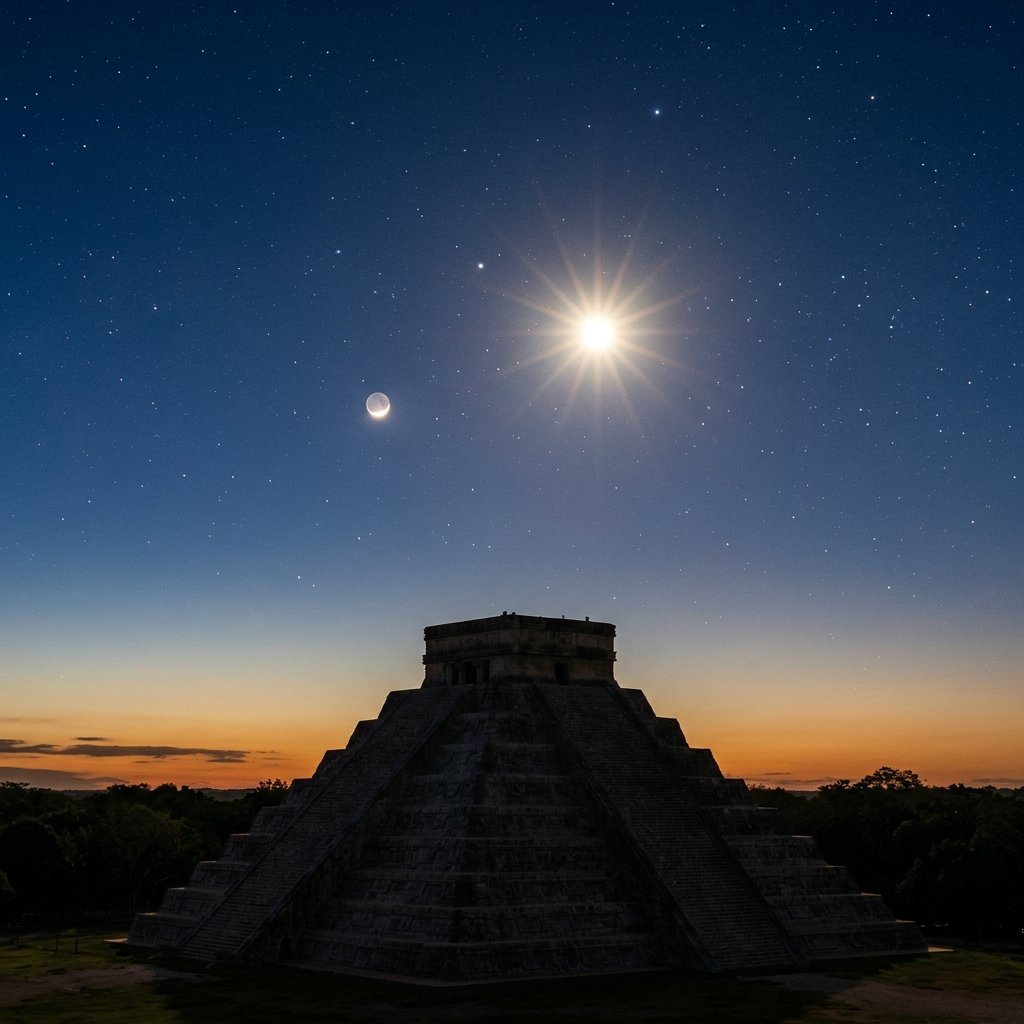
Discover Your
Mayan Day Sign
The ancient Maya mapped 260 unique cosmic energies to the cycle of human life itself. Enter your birthday to reveal the sign written in the stars — and in your bones — since the day you were born.
Based on the GMT correlation constant (584,283) — the most widely accepted calibration in Maya epigraphy.
How Mayan Astrology Works
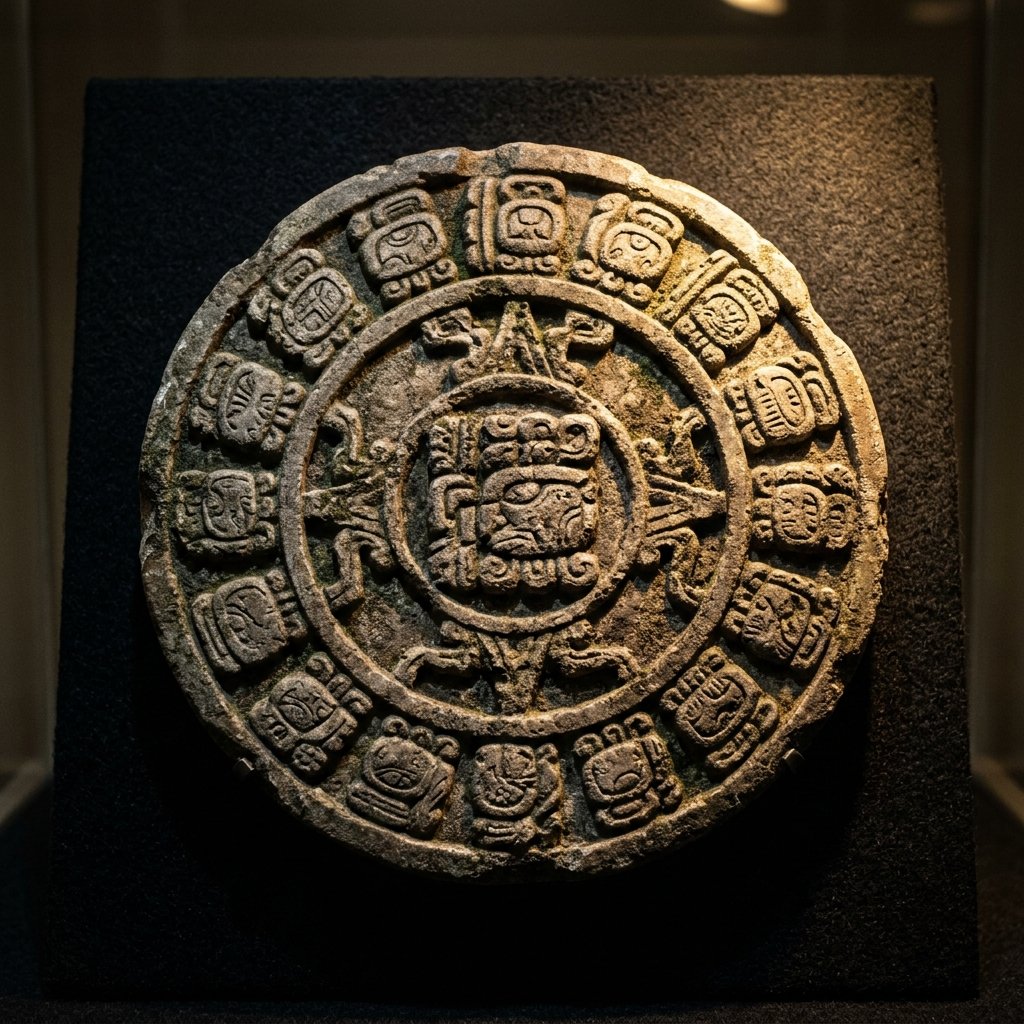
Your Birthday
The day you were born corresponds to a specific position in the Tzolk'in — the sacred 260-day calendar that has been tracked without interruption for over 2,500 years.
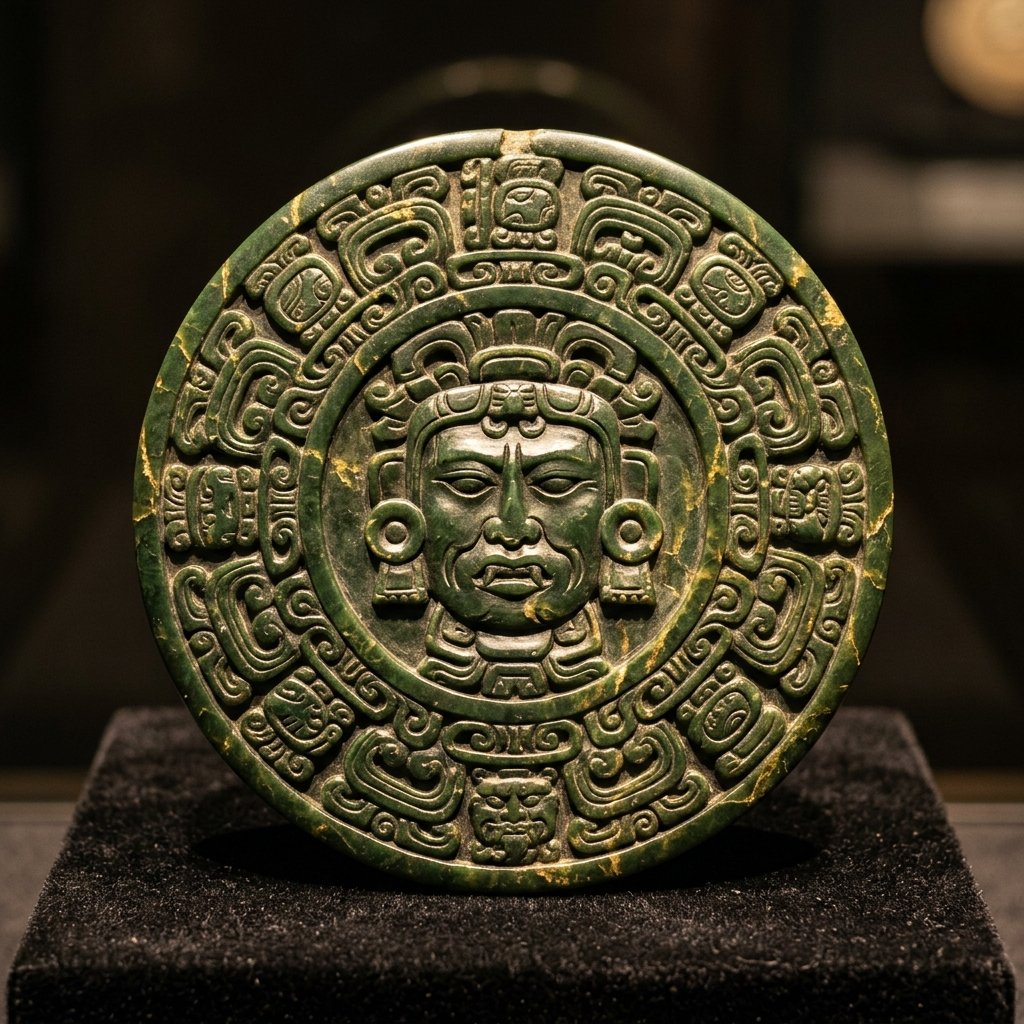
Your Day Sign
One of 20 nawales (day signs) governs your birthday. Each carries a distinct personality archetype, element, color, and cardinal direction — your cosmic DNA.
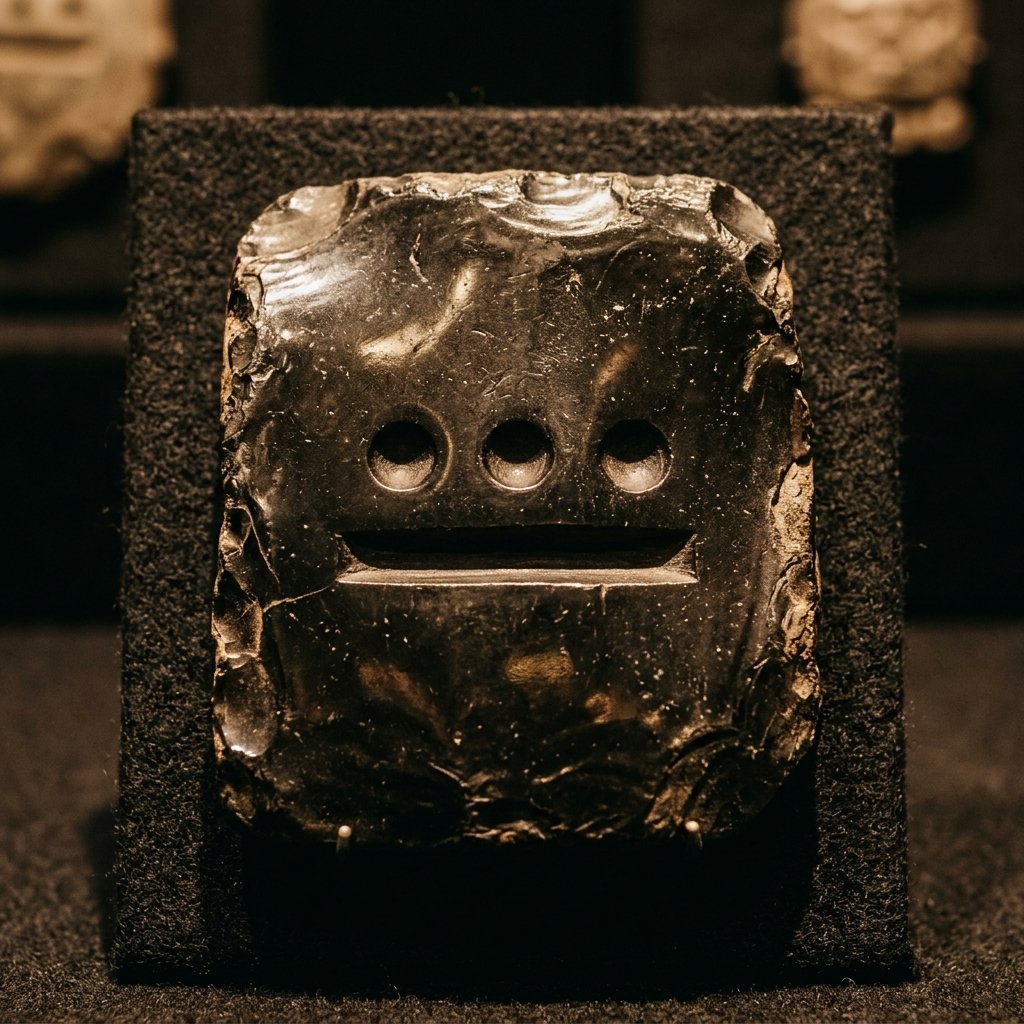
Your Tone
A number from 1–13 modifies your sign — shaping how you express your energy. Together, your sign and tone create one of 260 unique combinations.
The Science Behind the Calendar
The Tzolk'in isn't just spiritual symbolism — it's rooted in observable biological and astronomical cycles that modern science has independently confirmed.
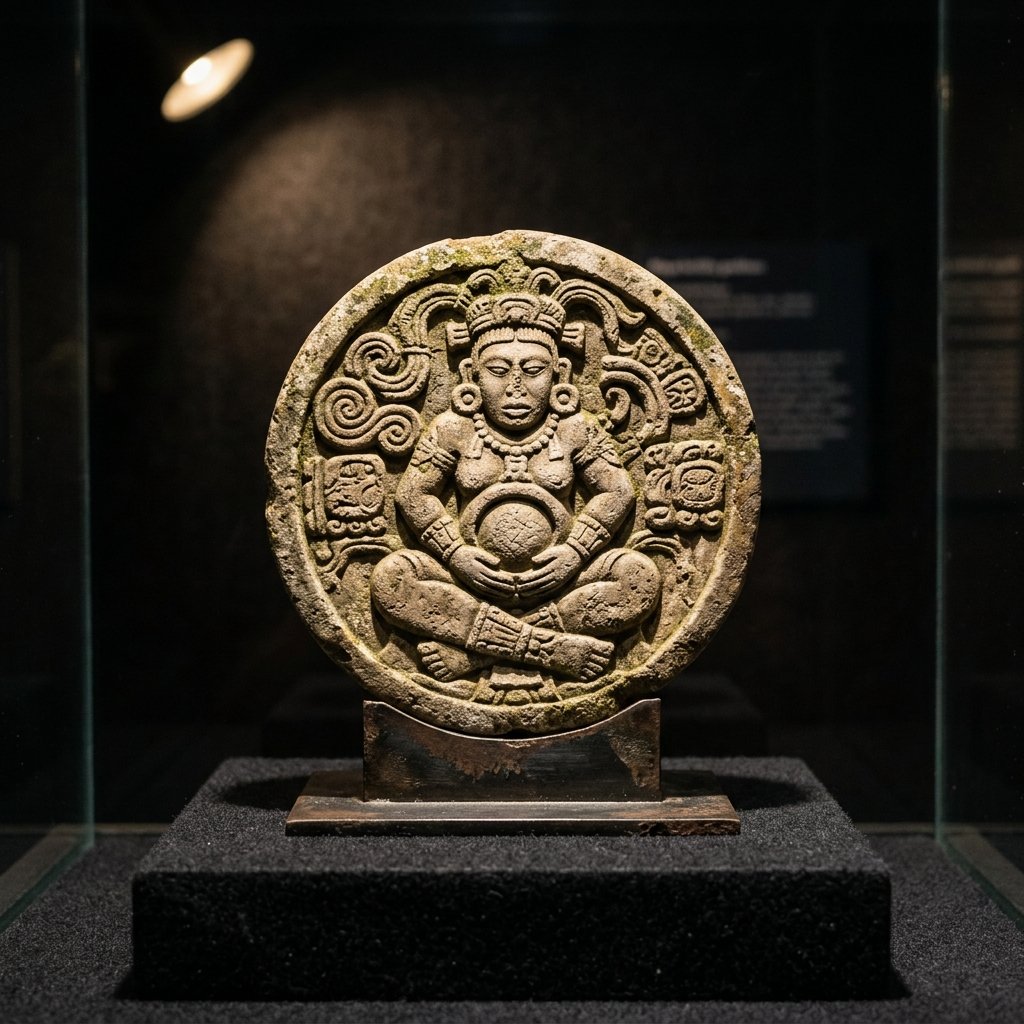
260 Days = Human Gestation
The 260-day Tzolk'in cycle closely mirrors the average human gestation period — the time from first missed menstrual period to birth. Anthropologist Barbara Tedlock, who was initiated as a K'iche' Maya daykeeper in Momostenango, Guatemala, documented that Maya midwives have tracked pregnancy using this calendar for centuries.
Tedlock, B. Time and the Highland Maya. University of New Mexico Press, 1992.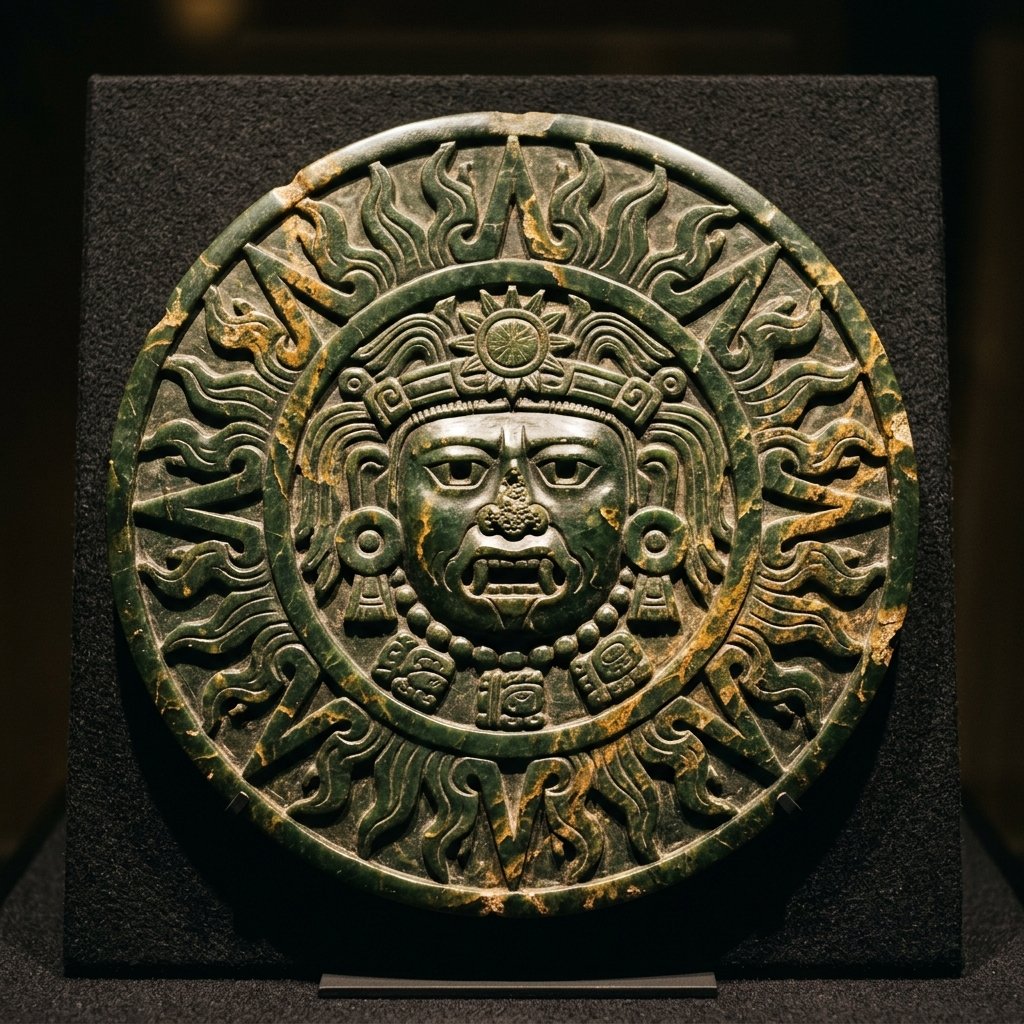
Birth Season Shapes Biology
Modern chronobiology has found statistically significant correlations between birth season and chronotype — whether you're a "morning lark" or "night owl." Research at Semmelweis University (Budapest) found that photoperiod exposure during late gestation influences circadian system development, affecting temperament and behavioral patterns measurably into adulthood.
Natale, V. & Adan, A. "Season of birth, gender, and social-cultural effects on sleep timing preferences." Sleep, 22(5), 1999.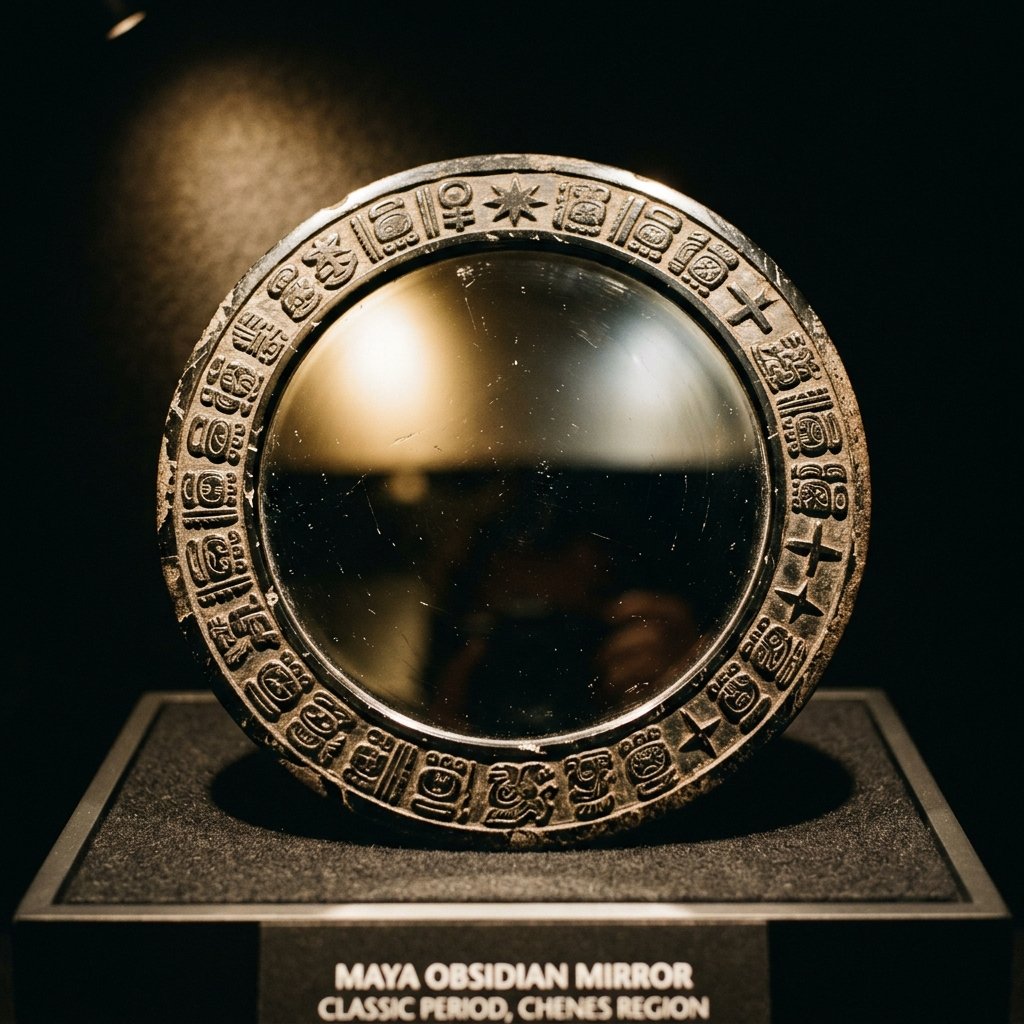
Astronomical Precision: 0.0001% Error
The Maya calculated the synodic period of Venus as 583.92 days — the modern value is 583.93. Their error was less than 0.002% over a 481-year observation period recorded in the Dresden Codex. They achieved this accuracy without telescopes, metal instruments, or the mathematical concept of decimals — using only naked-eye observation and the base-20 number system they invented.
Aveni, A. Skywatchers of Ancient Mexico. University of Texas Press, 2001.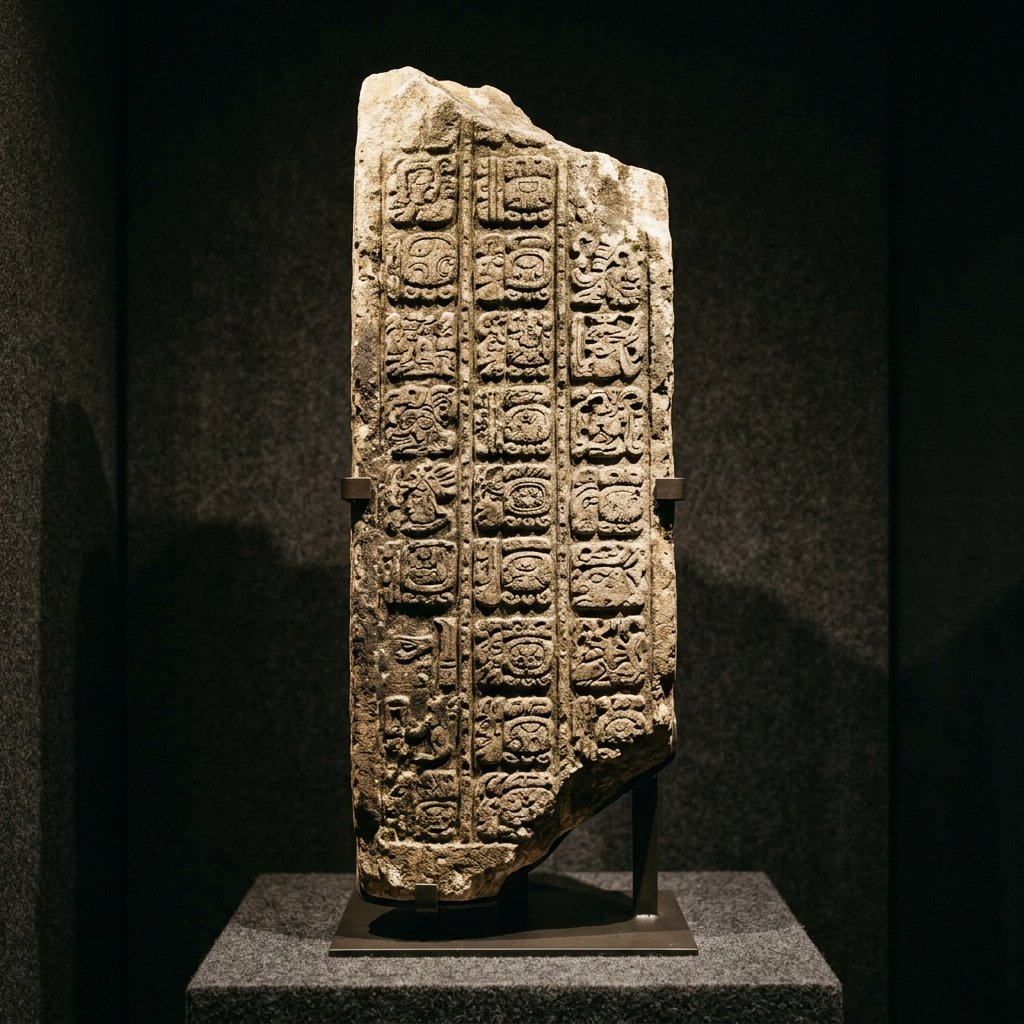
2,500+ Years Unbroken
The Tzolk'in is the longest continuously tracked calendar in human history. While dynasties fell, empires crumbled, and the Spanish burned Maya books, K'iche' and Kaqchikel daykeepers in the Guatemalan highlands maintained the count without a single day's interruption. Over 40,000 daykeepers practice today — making this calculator's results traceable to an unbroken chain spanning the Preclassic era to your screen.
Christenson, A. The Burden of the Ancients: Maya Ceremonies of World Renewal. University of Texas Press, 2016.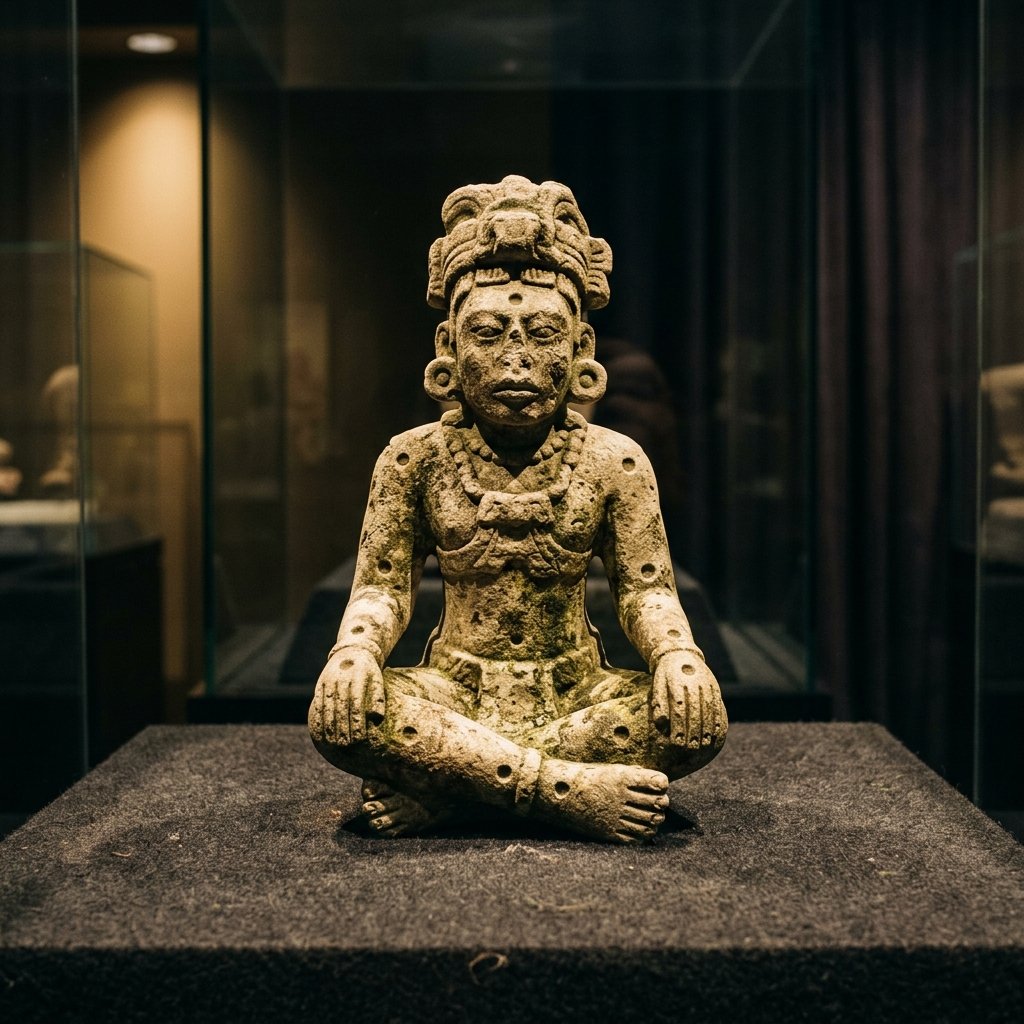
13 Joints × 20 Digits = The Human Body
The number 260 isn't arbitrary. The Maya derived it from the human body itself: 13 major joints (ankles, knees, hips, wrists, elbows, shoulders, neck) × 20 digits (fingers and toes). The calendar was literally embodied — each person carried its structure in their own anatomy. As Barbara Tedlock documented, daykeepers still diagnose illness by reading "blood lightning" in specific joints corresponding to calendar positions.
Tedlock, B. "The road of light: Theory and practice of Mayan skywatching." The Sky in Mayan Literature, Oxford University Press, 1992.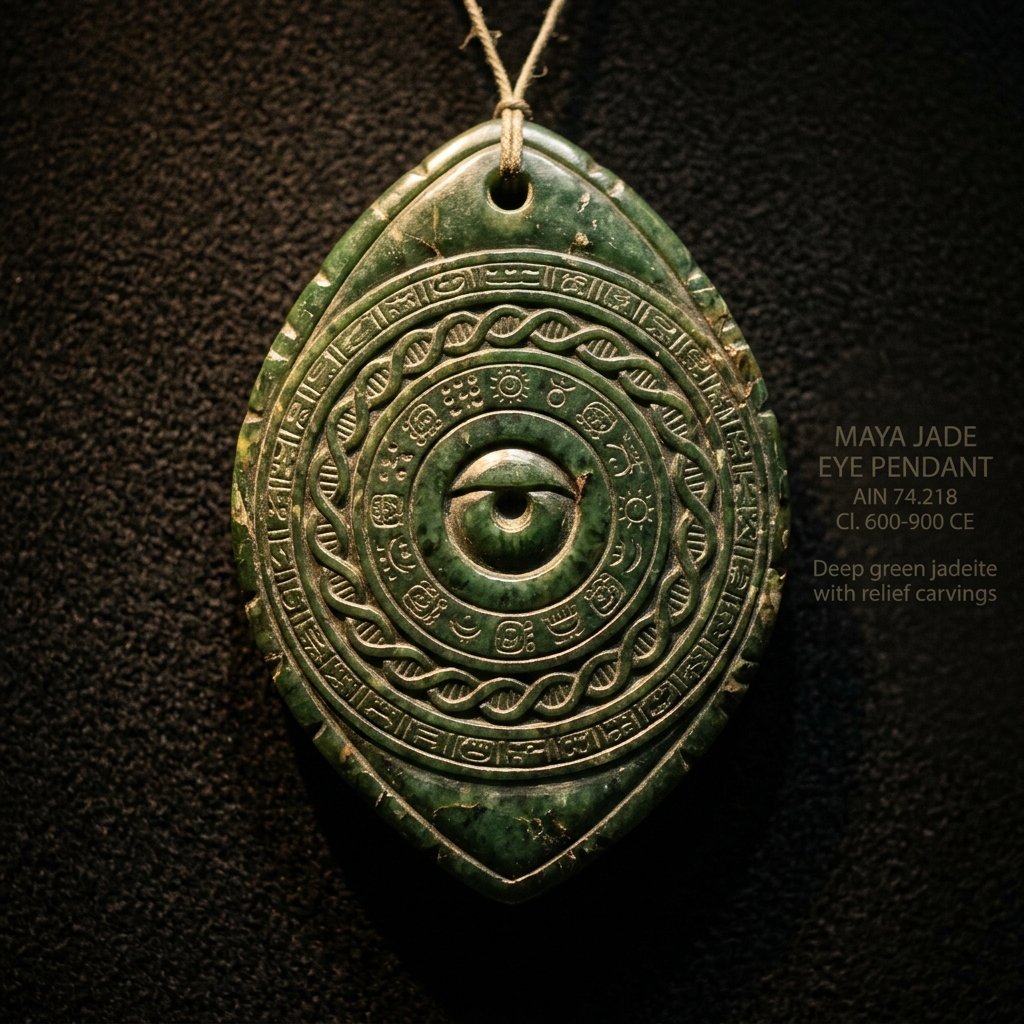
Epigenetics: Environment Writes DNA
Modern epigenetics has demonstrated that environmental conditions at birth — including light exposure, maternal nutrition, and seasonal pathogens — can activate or silence genes through DNA methylation, influencing temperament, immune function, and even lifespan. A 2014 Columbia University study found birth month correlates with lifetime risk for 55 diseases — not through astrology, but through measurable environmental mechanisms.
Boland, M. et al. "Birth month affects lifetime disease risk." Journal of the American Medical Informatics Association, 22(5), 2015.A note on integrity: We present the Tzolk'in as what it is — a sophisticated cultural framework with remarkable correlations to observable natural cycles. We distinguish clearly between documented ethnographic traditions, peer-reviewed science, and interpretive symbolism. The Maya calendar is not Western astrology — it is a living spiritual technology maintained by real communities for over two millennia.