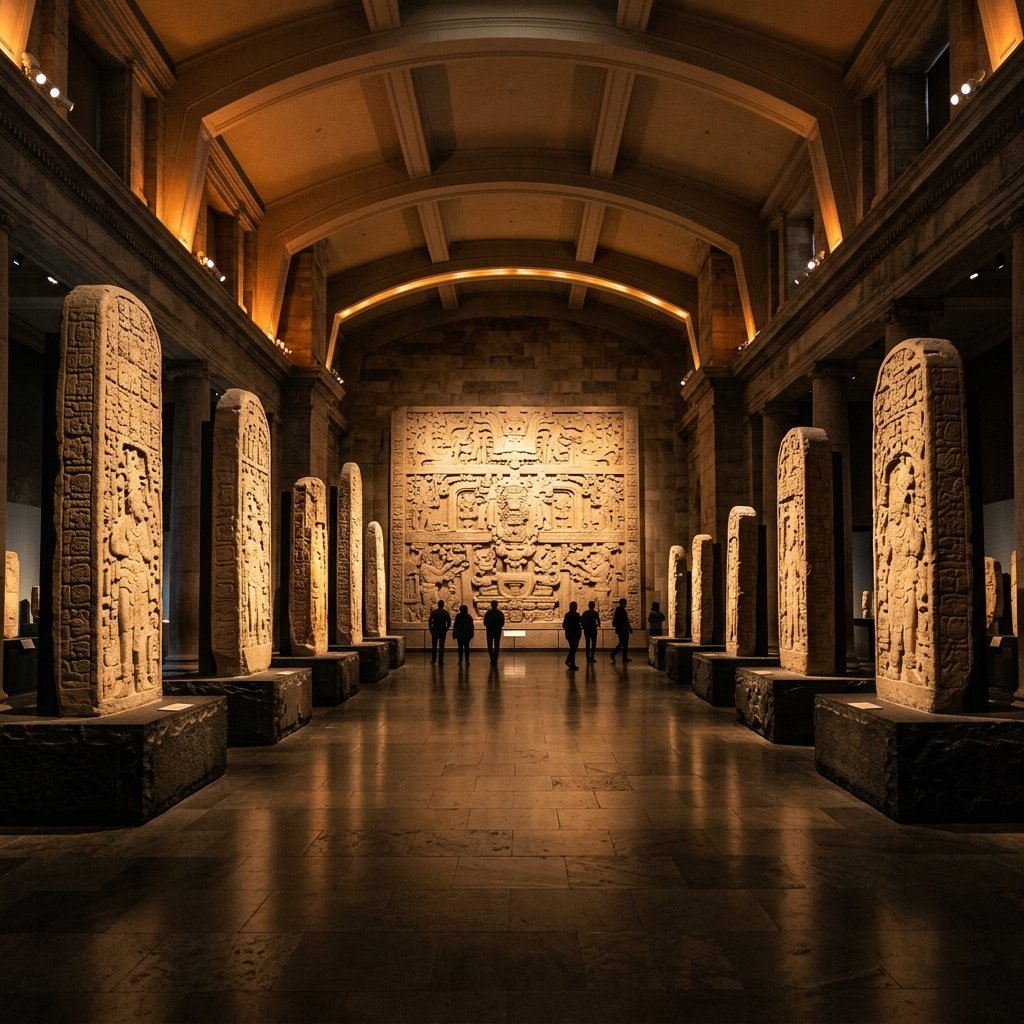
See Maya Artifacts in Person
You don't have to travel to the Yucatán to experience the Maya world. Over 60 museums across the globe hold real Maya artifacts — carved stelae, jade masks, painted ceramics, bark-paper codices, and monumental stone sculpture. This guide covers every major institution, what they hold, how the artifacts got there, and what you should look for when you visit. Whether you're in London, Philadelphia, Mexico City, or Berlin — there's a piece of the ancient Maya waiting for you.
The World's Most Important Maya Collections
These 10 museums hold the largest, most significant, and most thoroughly documented Maya artifact collections on Earth. Each has its own dedicated page with detailed artifact descriptions, images, acquisition histories, and practical visitor information.
 World's Largest Collection
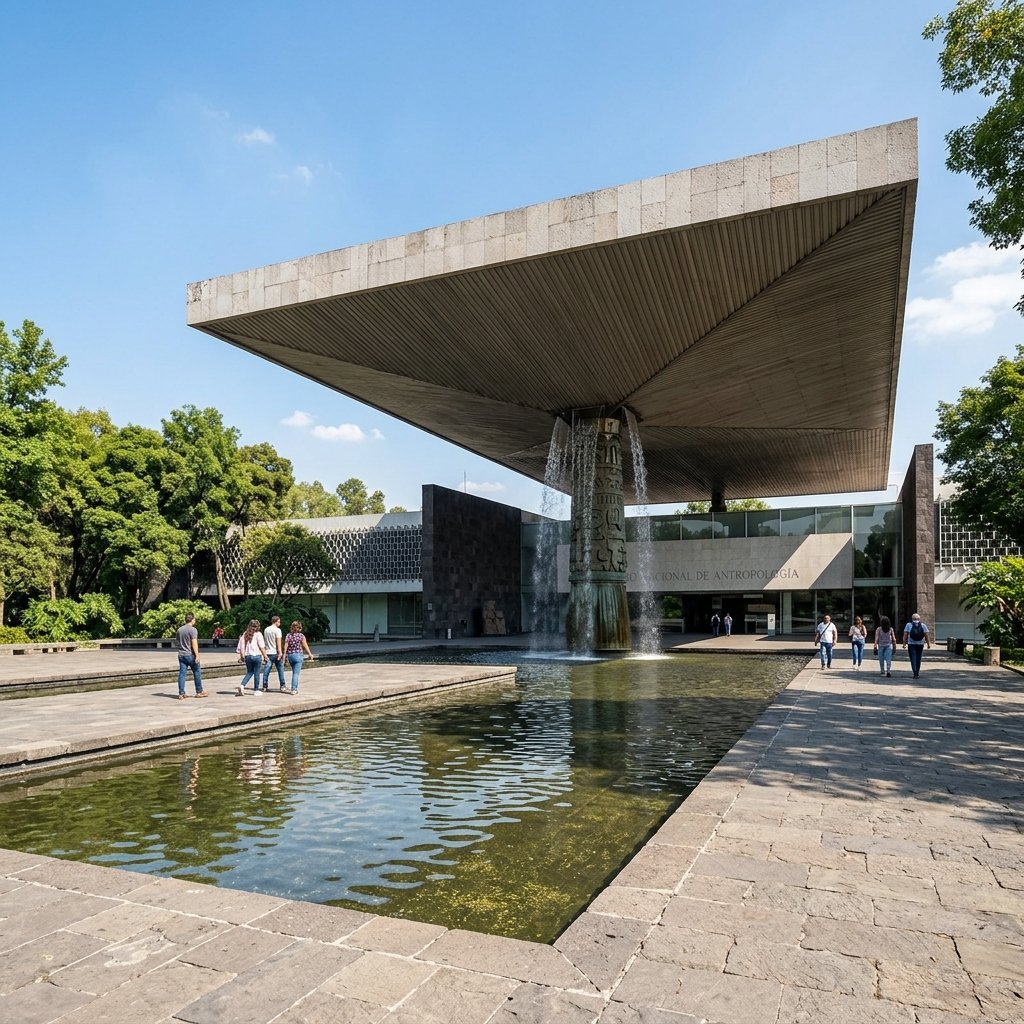
 Museo Nacional de Antropología
Mexico City, Mexico
The world's largest collection of Mesoamerican artifacts. Home to Pakal's jade death mask, the Aztec Sun Stone, and an entire hall dedicated to the ancient Maya.
Explore Collection →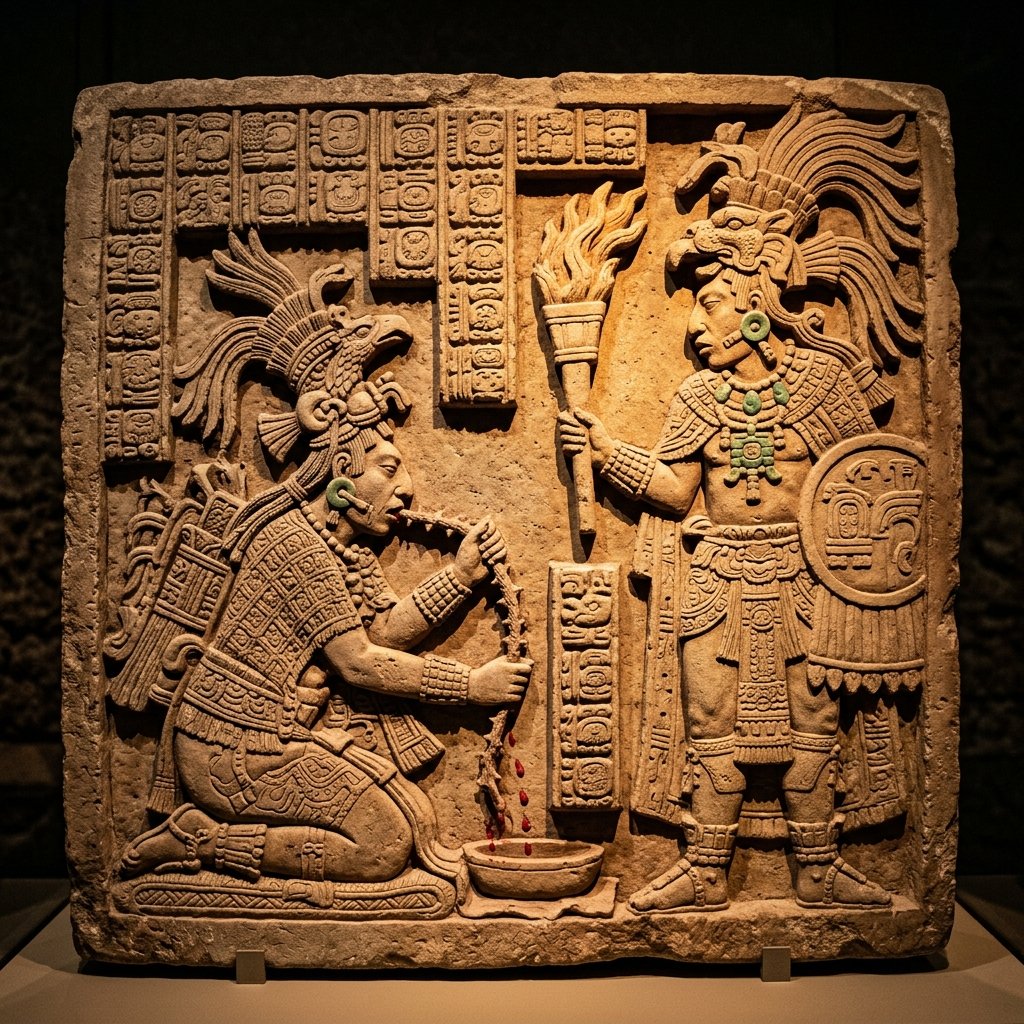 Free Admission
 British Museum
London, United Kingdom
The Yaxchilán lintels, the Copán Maize God bust, and Alfred Maudslay's pioneering photographic archive — one of Europe's most important Maya collections.
Explore Collection →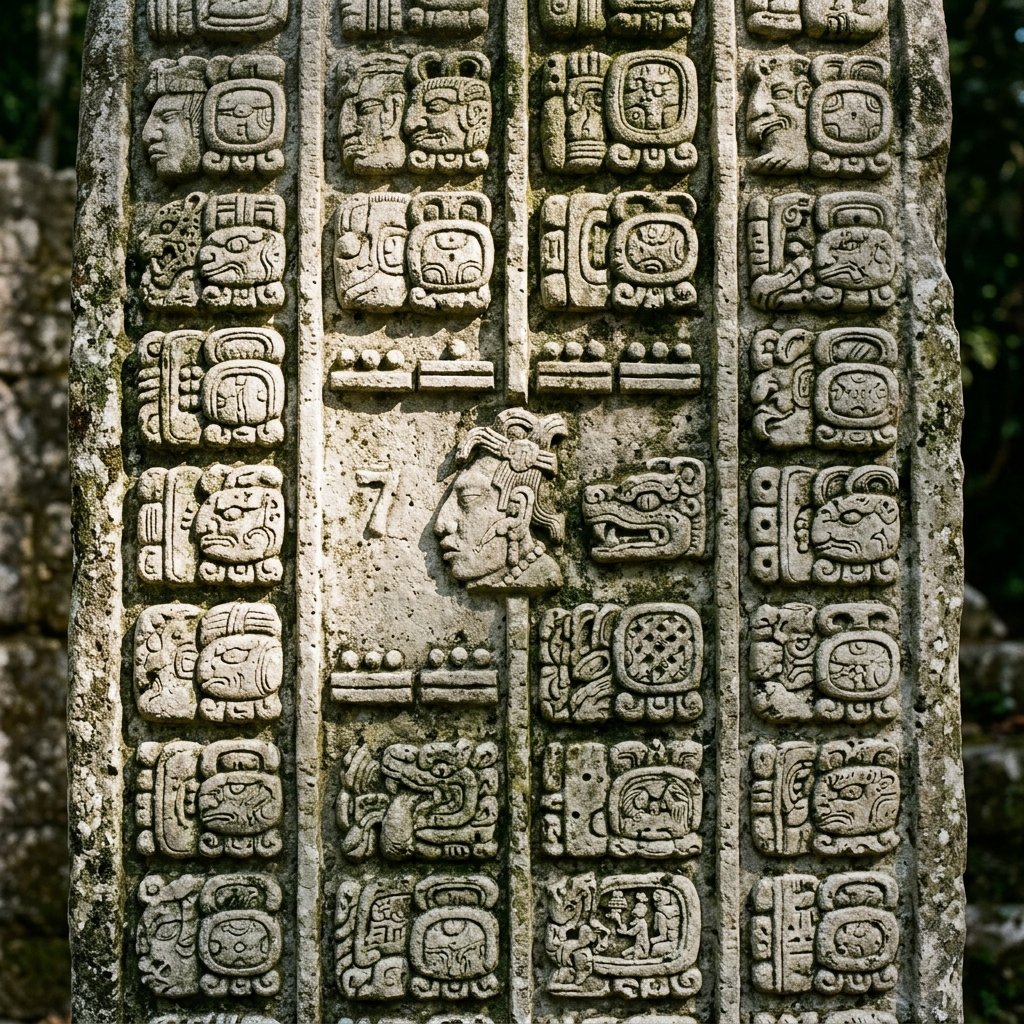 Research Institution
 Peabody Museum of Archaeology
Cambridge, MA, USA
Harvard's extraordinary collection includes objects from the Sacred Cenote of Chichén Itzá, 600 plaster monument casts, and the Maya Corpus Program archive.
Explore Collection →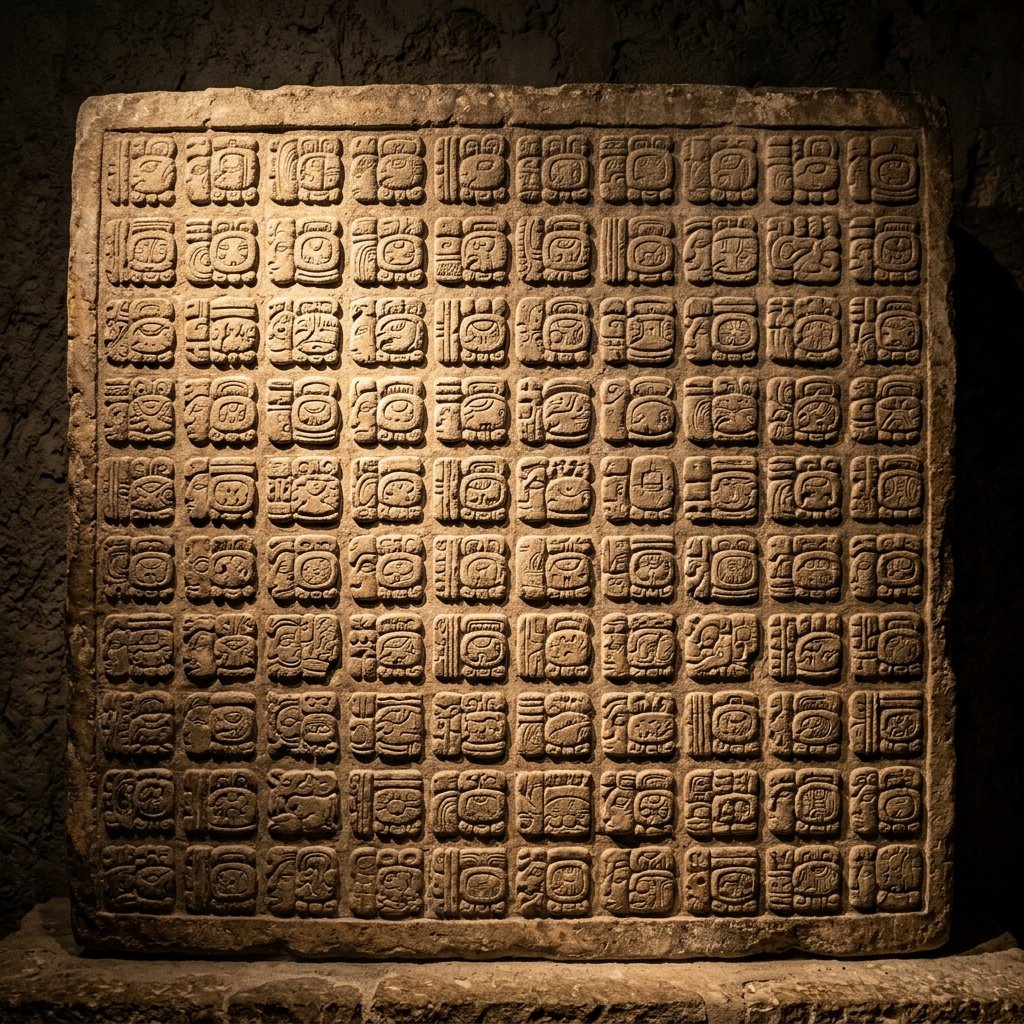 Tikal Excavation Archive
 Penn Museum
Philadelphia, PA, USA
The largest collection of Maya stelae outside the Maya region, built from Penn's legendary Tikal excavations (1956–1970). Original monuments from the greatest Maya city.
Explore Collection →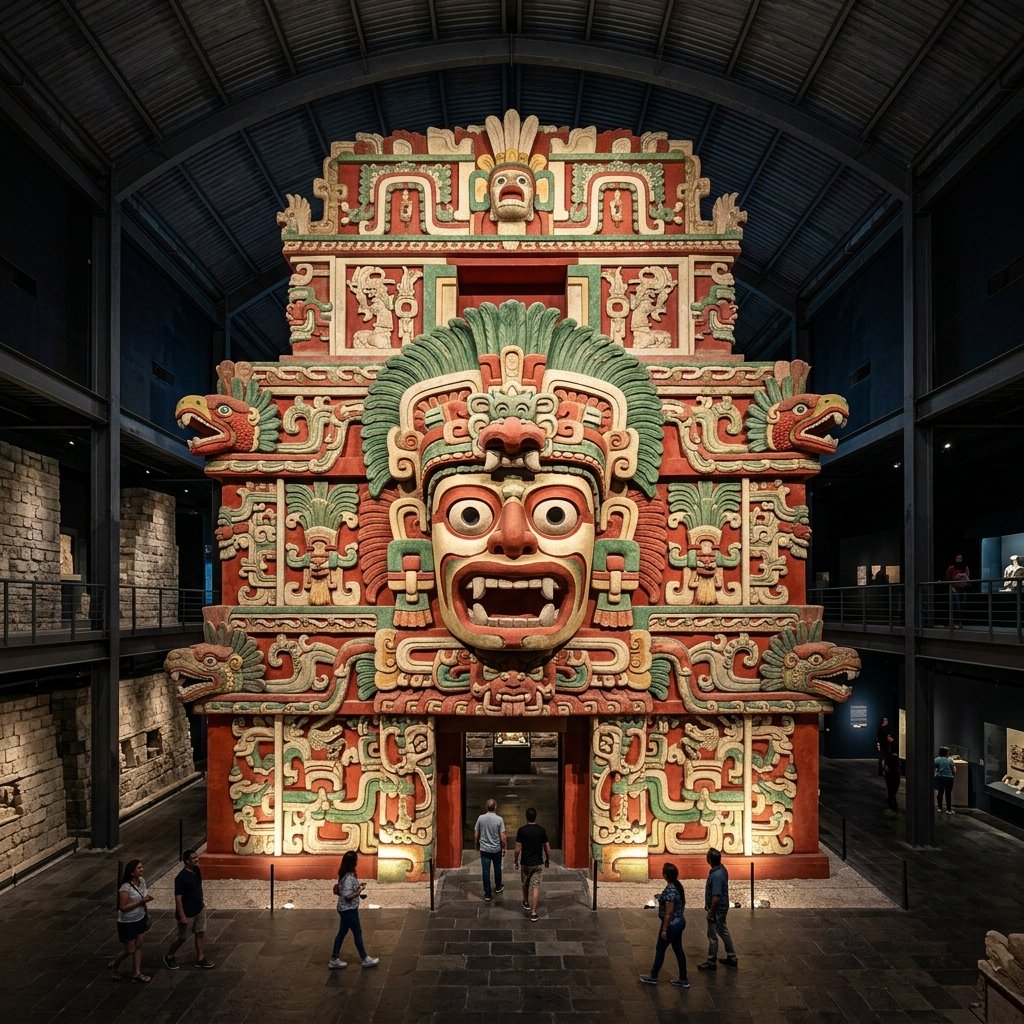 On-Site Museum
 Copán Sculpture Museum
Copán Ruinas, Honduras
A full-scale, vividly painted reconstruction of the Rosalila Temple — one of the most spectacular archaeological discoveries of the 20th century. Plus original stelae and Altar Q.
Explore Collection →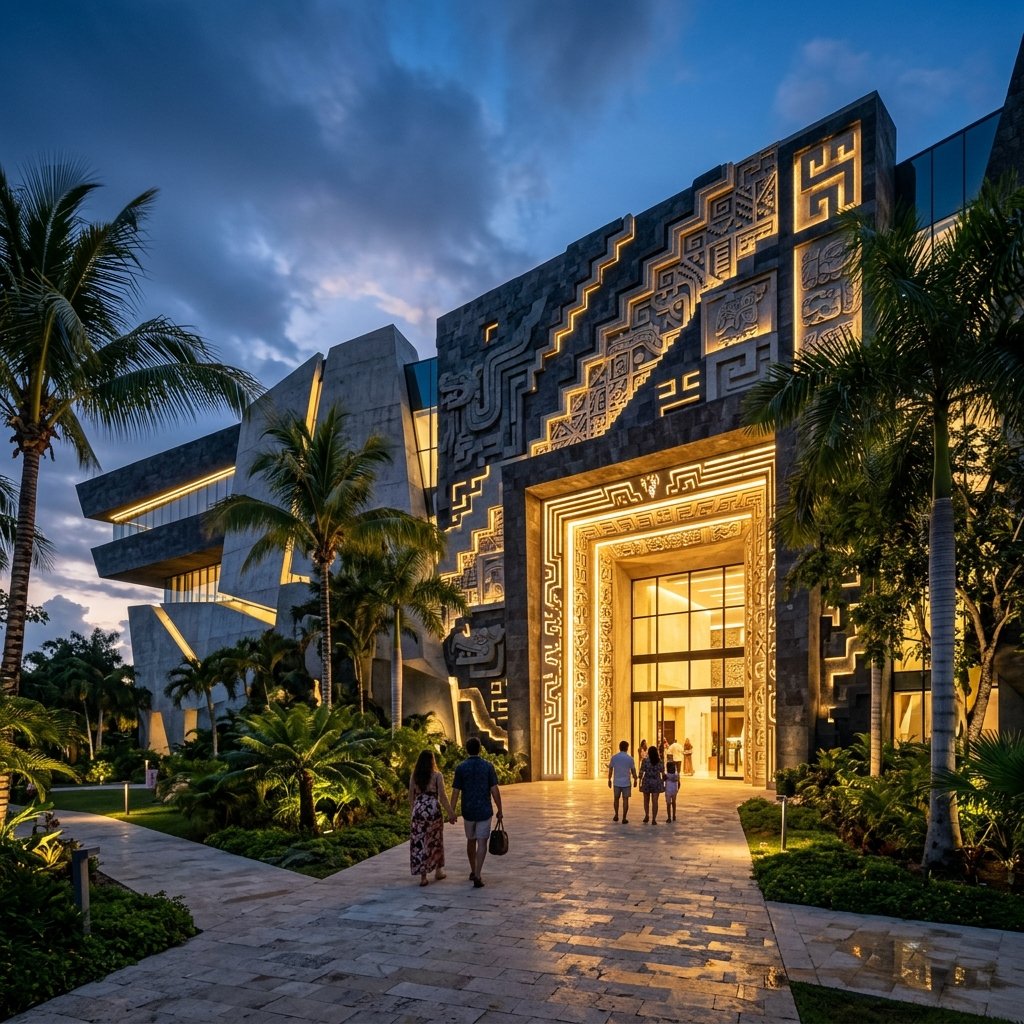 Maya-Dedicated
 Gran Museo del Mundo Maya
Mérida, Yucatán, Mexico
Over 1,160 artifacts across four thematic halls spanning 3,000 years — the only museum in the world dedicated exclusively to Maya civilization. Stunning contemporary architecture.
Explore Collection →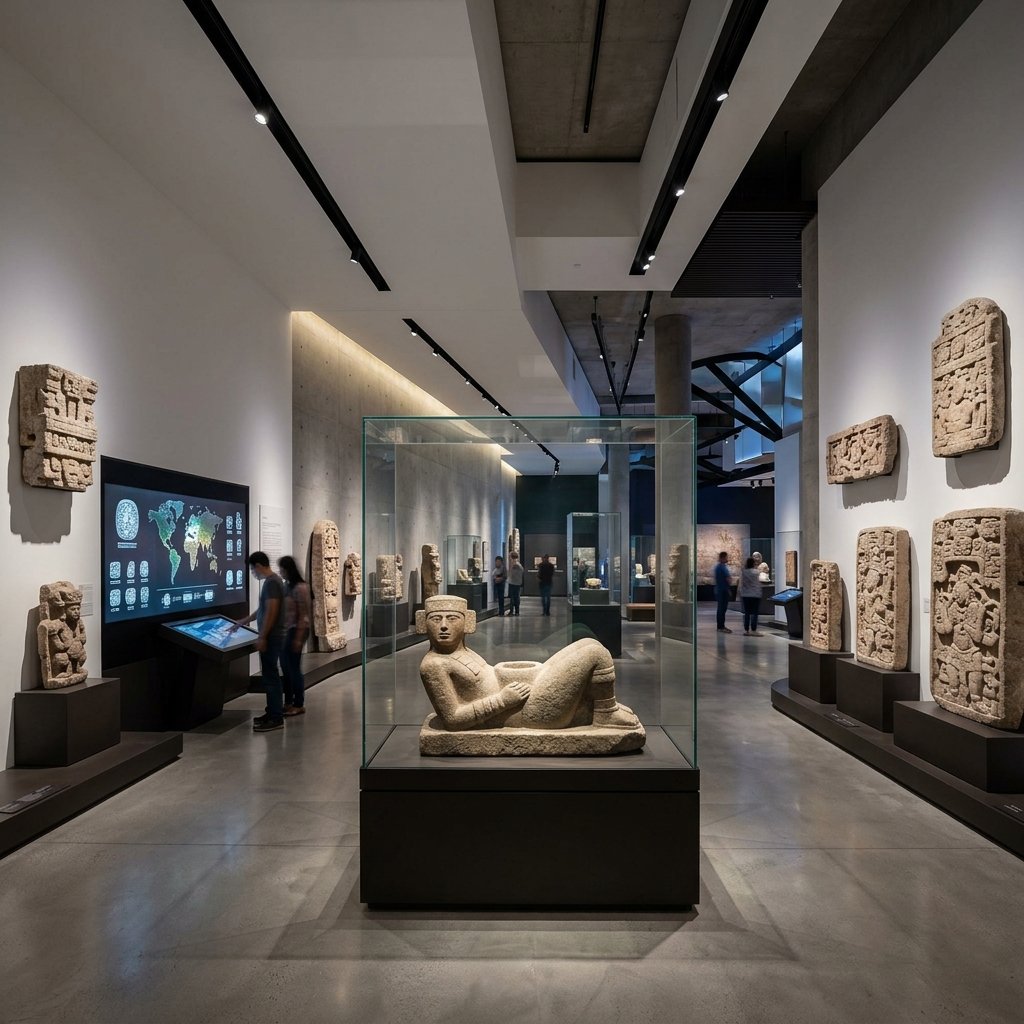 Opened 2024
 Gran Museo de Chichén Itzá
Chichén Itzá, Yucatán, Mexico
Mexico's newest major museum (opened Feb 2024) with 1,000+ artifacts — Chac Mool figures, Sacred Cenote treasures, and immersive projection technology at a New Seven Wonder.
Explore Collection →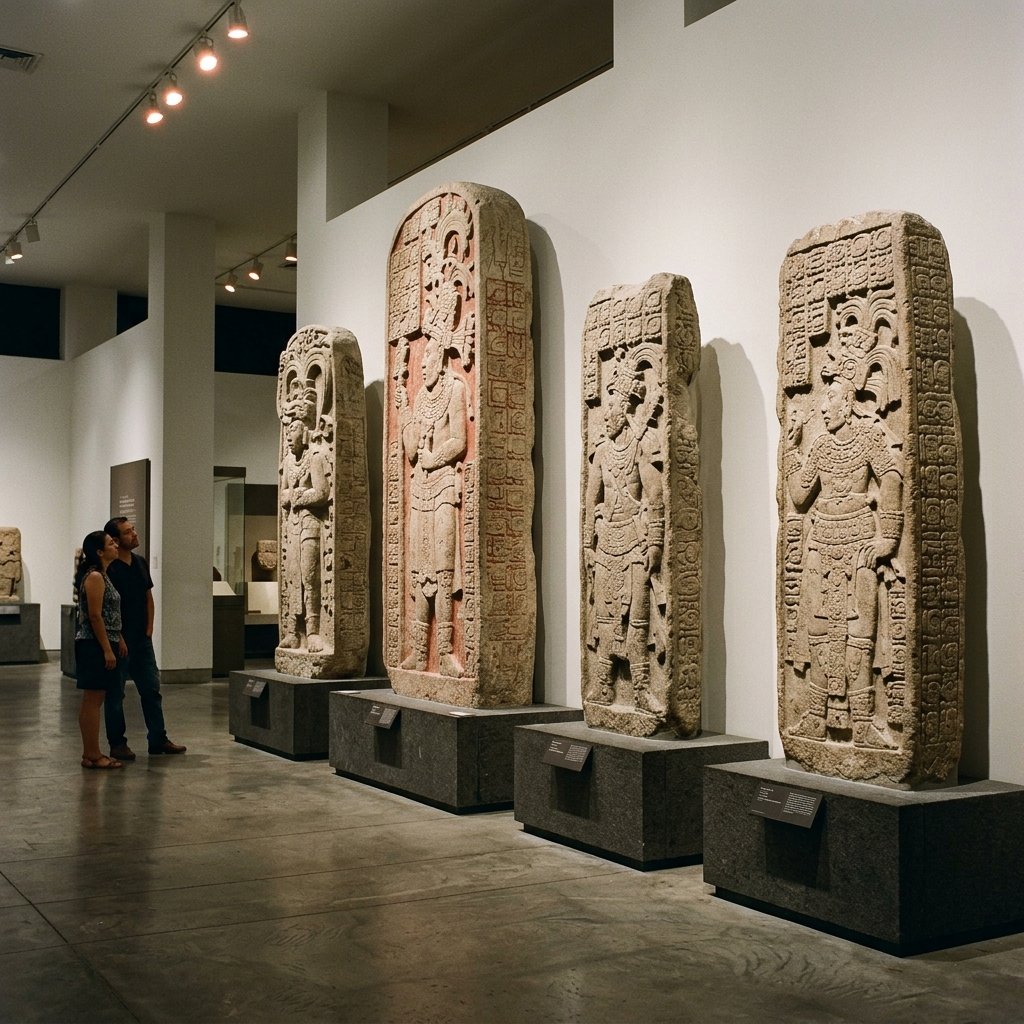 National Collection
 MUNAE — Guatemala
Guatemala City, Guatemala
The national collection of the Maya heartland — monumental Tikal stelae, miraculous surviving wooden lintels, Piedras Negras throne, and one of the world's finest jade collections.
Explore Collection →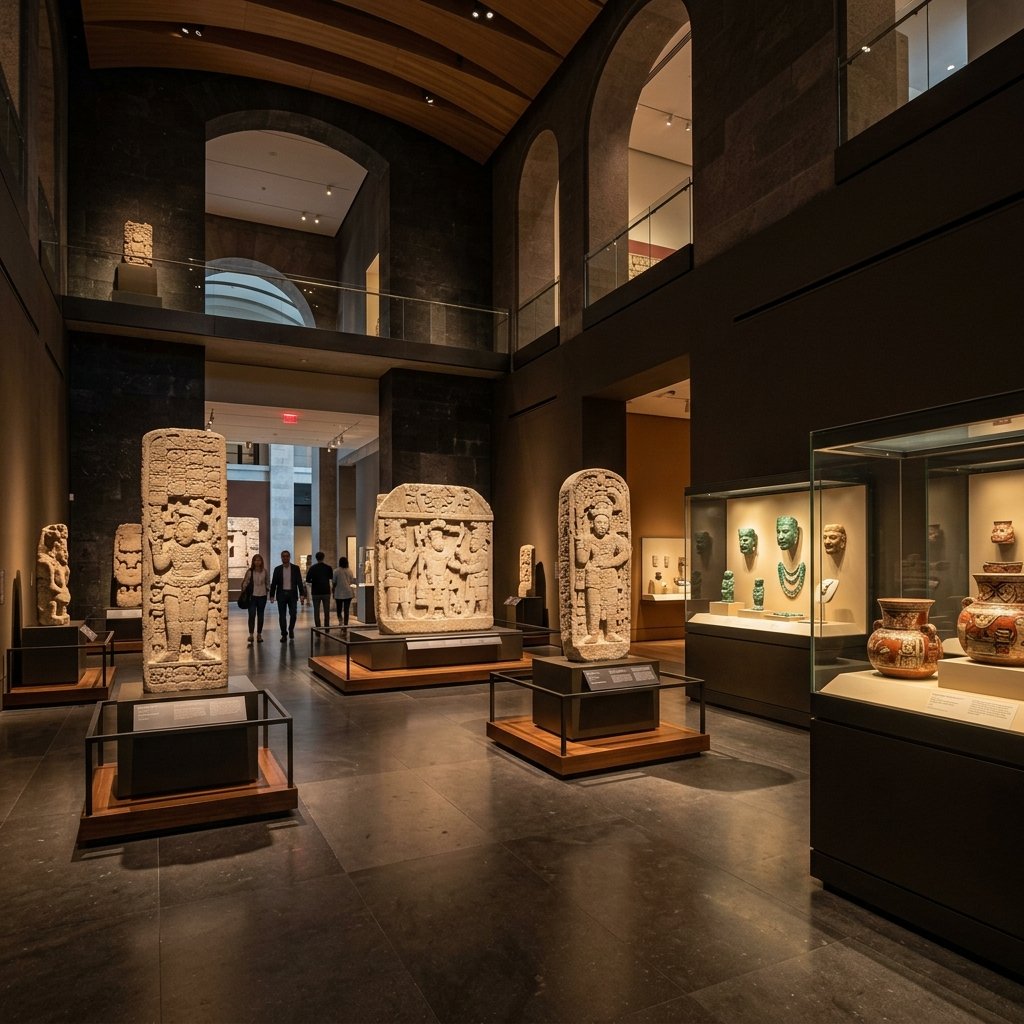 Newly Renovated 2025
 Metropolitan Museum of Art
New York, NY, USA
The newly renovated Rockefeller Wing (reopened 2025) showcases Maya art as art — limestone lords, jade mosaics, obsidian eccentrics, and codex-style ceramics in a world-class setting.
Explore Collection →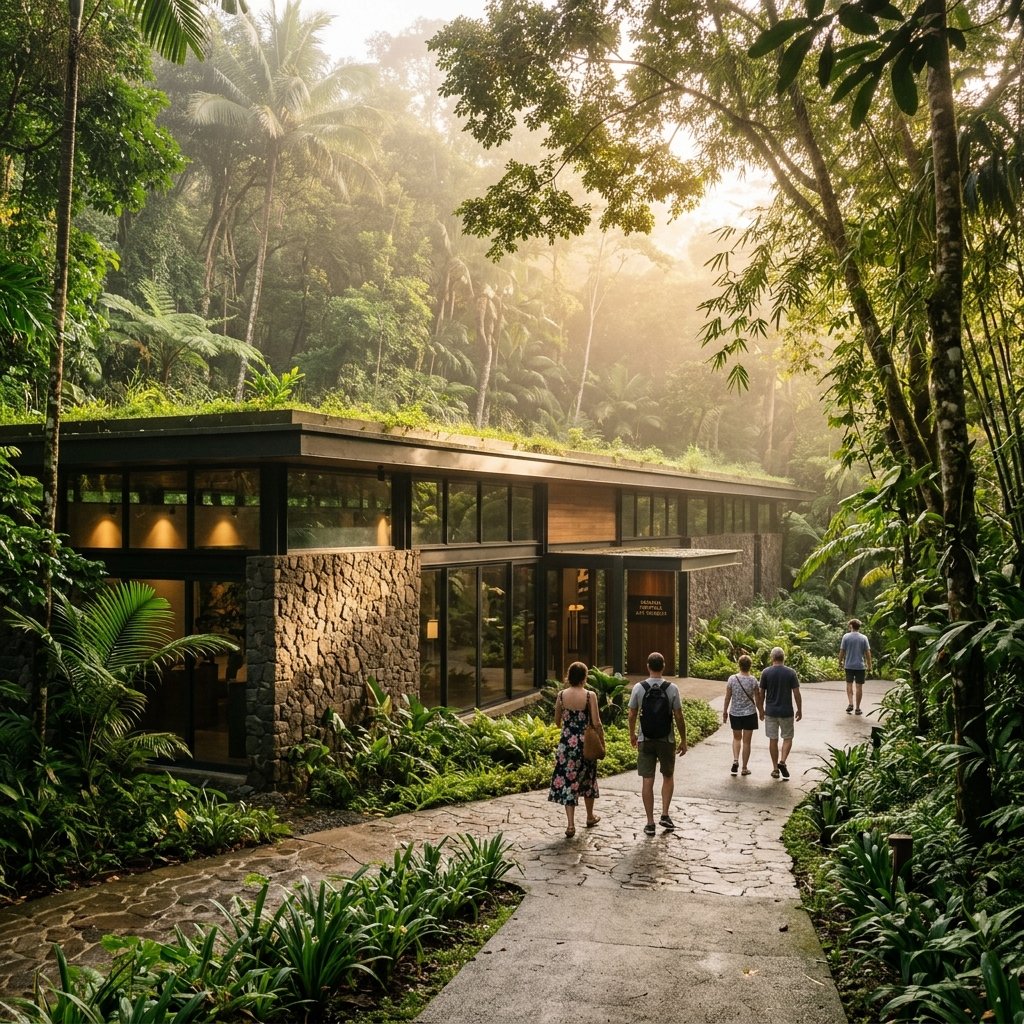 Rainforest Setting
 Museo de Sitio de Palenque
Palenque, Chiapas, Mexico
Stucco portrait heads of astonishing naturalism, towering incense burners, and the Red Queen's jade — set in the tropical rainforest beside one of the most beautiful Maya cities.
Explore Collection →Browse by Region
Beyond the major collections above, dozens of museums worldwide hold Maya artifacts. Browse by region to find what's near you:
🇺🇸 United States
15+ museums from the Smithsonian to the Denver Art Museum. Dumbarton Oaks, LACMA, Cleveland, Art Institute of Chicago, and more.
Browse U.S. Museums →🇪🇺 Europe
12+ museums including the Dresden Codex (Germany), Madrid Codex (Spain), Leiden Plaque (Netherlands), Humboldt Forum (Berlin), and Museum der Kulturen (Basel).
Browse European Museums →🇲🇽 Mexico & Central America
15+ site museums and regional collections — Museo Maya de Cancún, Tikal's Morley Museum, Quiriguá, Museo Popol Vuh, and Museum of Belize.
Browse Maya Homeland Museums →🌏 Canada, Asia & Oceania
The Royal Ontario Museum (Toronto), Tokyo National Museum, Kyushu National Museum, and traveling exhibitions worldwide.
Browse Global Museums →Editorial Transparency Notice
About Our Images: The artifact and museum images throughout this directory are AI-generated illustrations designed to represent the types of objects each institution holds. They are not photographs of actual artifacts or museum interiors. Each image was created to reflect the specific collections described — for example, a jade mask for a museum known for its jade collection, or a carved stela for a museum that holds Maya monuments — but they should be understood as editorial illustrations, not documentary photographs.
Before You Visit: Museum galleries are living spaces that change regularly. Institutions rotate objects for conservation, loan pieces to traveling exhibitions, and redesign galleries. An artifact listed here may not be on display when you visit. We strongly encourage you to check each museum's website or call ahead to confirm that Maya artifacts are currently on view. Where available, we've included direct website links, phone numbers, and addresses on each museum's page.
Our Commitment: We've done our best to ensure all factual information — museum names, locations, collection descriptions, acquisition histories, and scholarly references — is accurate and well-sourced. If you spot an error or have updated information, please contact us.
Why Museum Collections Matter
Maya artifacts in museums represent a paradox. Many were removed from their countries of origin during the colonial era or through 19th- and early 20th-century expeditions — practices that modern ethics rightly challenge. At the same time, these collections have made possible the very scholarship that allows us to understand and appreciate Maya civilization today.
Ernst Förstemann decoded the Maya calendar from the Dresden Codex — which sits in a German library because a European purchased it in the 18th century. The Yaxchilán lintels in the British Museum enabled breakthroughs in understanding Maya political history. The Peabody's cenote collection transformed our knowledge of Maya ritual practice.
Several institutions — including the Peabody, the Denver Art Museum, and INAH (Mexico's national archaeology institute) — are actively working on repatriation agreements and collaborative stewardship models that honor both scholarship and indigenous sovereignty. The museum landscape is changing. This guide documents what's where — and helps you see it for yourself.
Frequently Asked Questions
How many museums worldwide have Maya artifacts?
Based on our research, approximately 60–80 museums worldwide hold confirmed Maya artifact collections. The largest concentration is in Mexico and Central America (where the artifacts originate), followed by the United States and Europe. Some Asian, Canadian, and Australian museums have hosted major traveling exhibitions featuring Maya artifacts, though their permanent collections are generally smaller.
Which museum has the best Maya collection?
The Museo Nacional de Antropología in Mexico City is widely considered the finest in the world — it's the largest archaeological museum in Latin America and houses the most comprehensive Maya gallery anywhere. For those who can't travel to Mexico, the British Museum (London), Penn Museum (Philadelphia), and Peabody Museum (Harvard) all have world-class collections with free or affordable admission.
Are there ethical concerns about Maya artifacts in foreign museums?
Yes. Many Maya artifacts in European and American collections were acquired during colonial-era expeditions, purchased through antiquities markets, or removed without the consent of indigenous communities. Repatriation discussions are active between several institutions and the governments of Mexico, Guatemala, Honduras, and Belize. Some museums have returned artifacts; others maintain them under collaborative stewardship agreements. This is an evolving and important conversation.