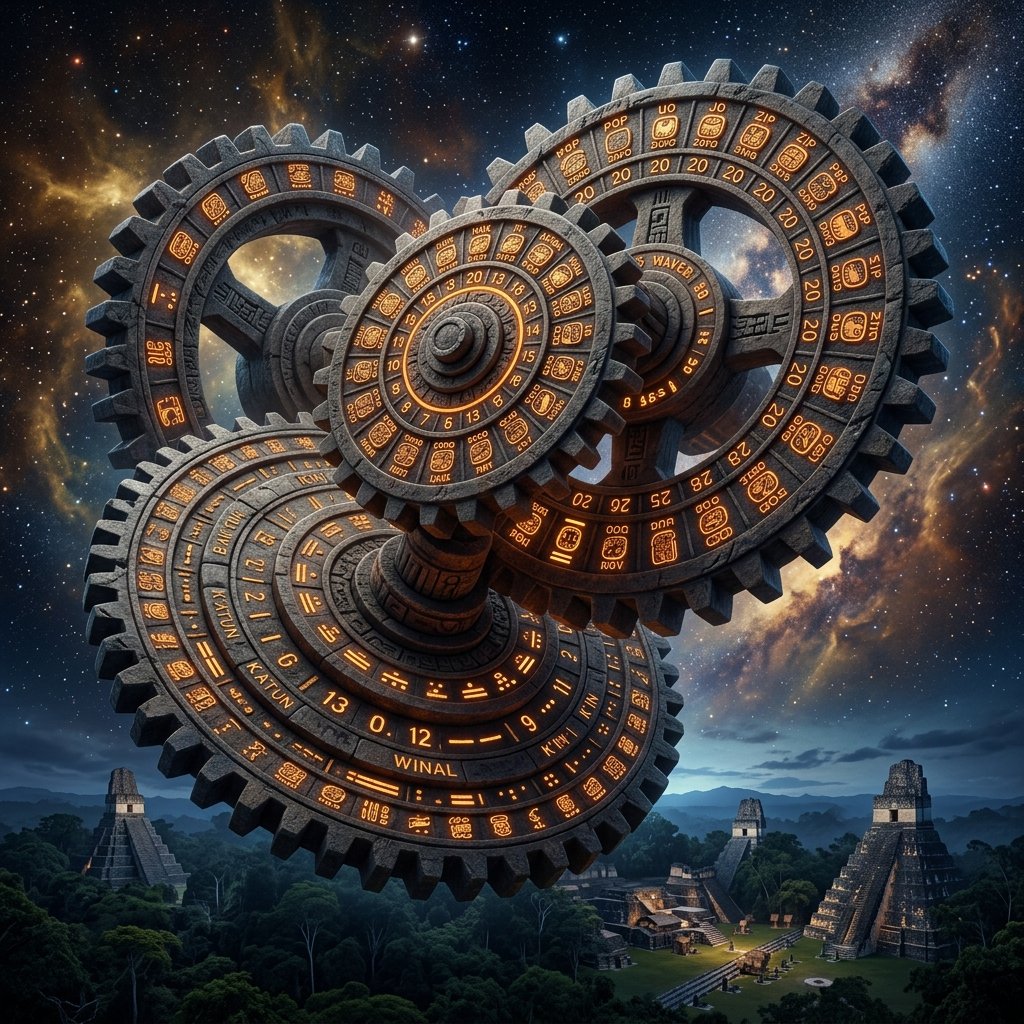
The Maya Calendar at a Glance
The Maya didn't have one calendar — they had three interlocking systems that worked together like gears. Together, they tracked sacred time, solar time, and historical time with astonishing precision. The Maya calculated the length of the solar year to 365.2420 days — just 0.0002 days off modern astronomical measurements.
The Three Maya Calendar Systems
1. The Tzolk'in — Sacred Calendar (260 Days)
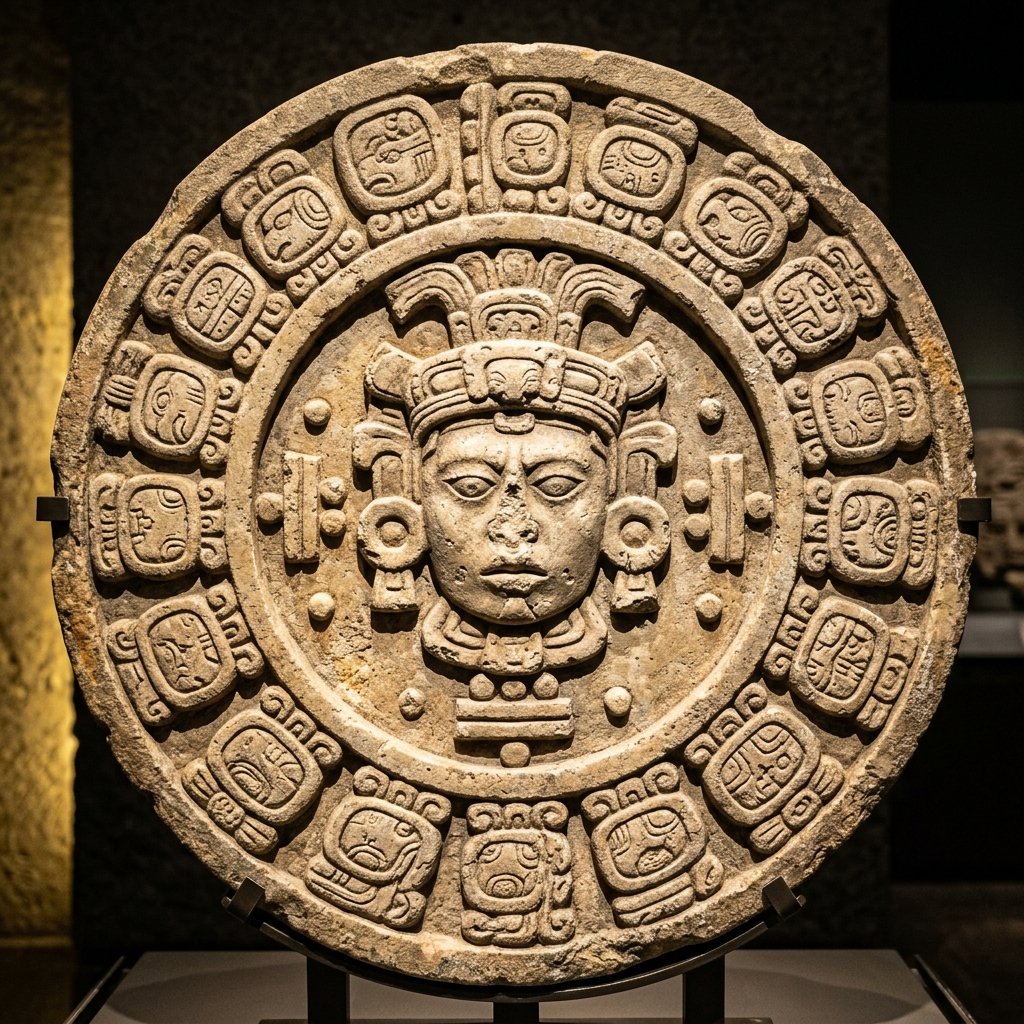
A carved limestone Tzolk'in calendar disc excavated from a Classic Period site, showing the 20 interlocking day sign glyphs arranged around a central deity face. Each glyph represents one of the sacred nawales — the spiritual energies that cycle through a 260-day count still used by Maya daykeepers today.
The Tzolk'in is the heartbeat of Maya spirituality. It combines 20 day signs (nawales) with 13 tone numbers to create 260 unique day-energies (20 × 13 = 260). This cycle governed ritual life, divination, and personal astrology.
Every Maya person was born on a specific Tzolk'in day, and this day-sign became a core part of their identity — similar to how we might know our zodiac sign today, but with far greater significance in daily life.
Why 260 days? Scholars believe it may relate to the human gestation period (approximately 260 days from last menstruation to birth), the agricultural cycle of maize in highland Guatemala, or the interval between zenith passages of the sun at certain latitudes.
2. The Haab' — Solar Calendar (365 Days)
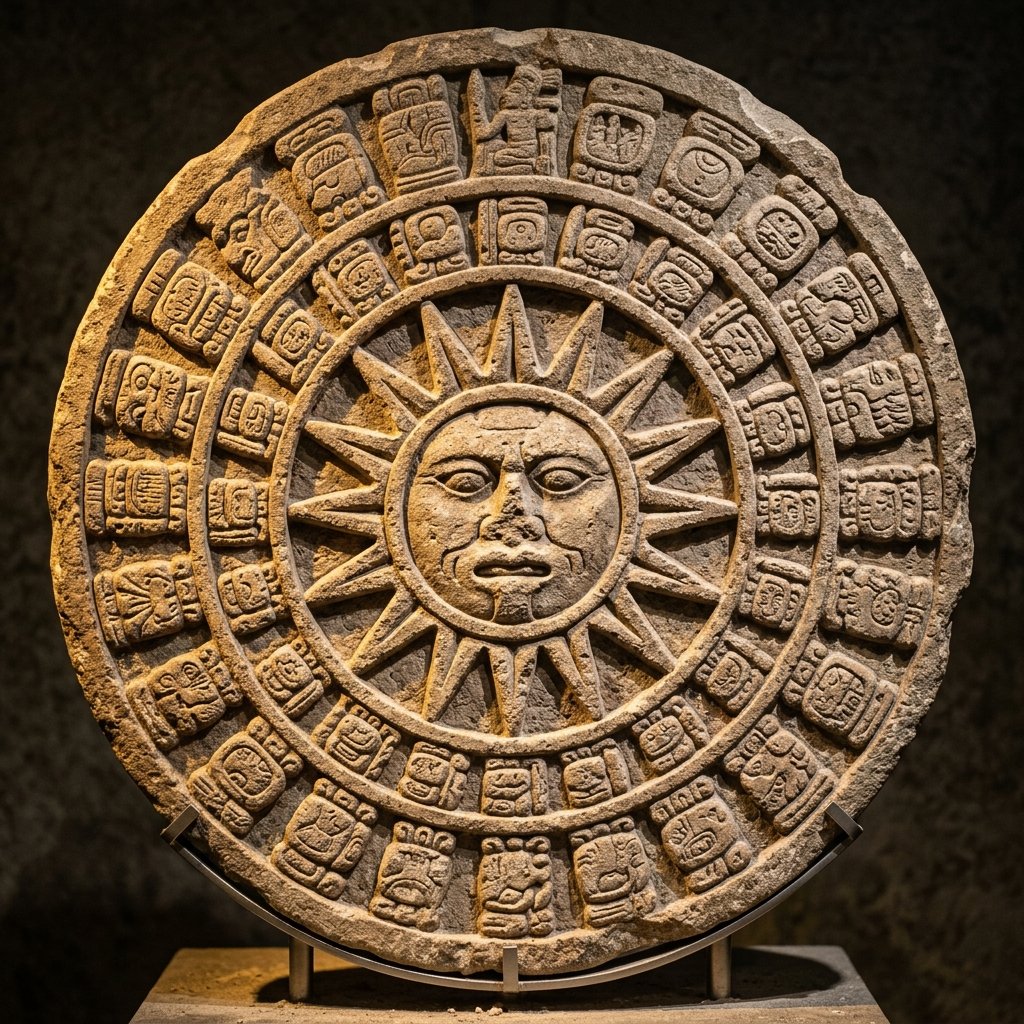
A weathered limestone Haab' solar calendar carving showing agricultural season glyphs surrounding a central sun face. The Haab' organized Maya civic life — from planting and harvesting to festivals and royal ceremonies — across 18 named months plus the five "nameless days" of Wayeb'.
The Haab' is the Maya civil calendar, tracking the solar year with 18 months of 20 days each (360 days) plus a short month of 5 days called Wayeb' — considered an unlucky, liminal period between years.
 Pop Mat 2
 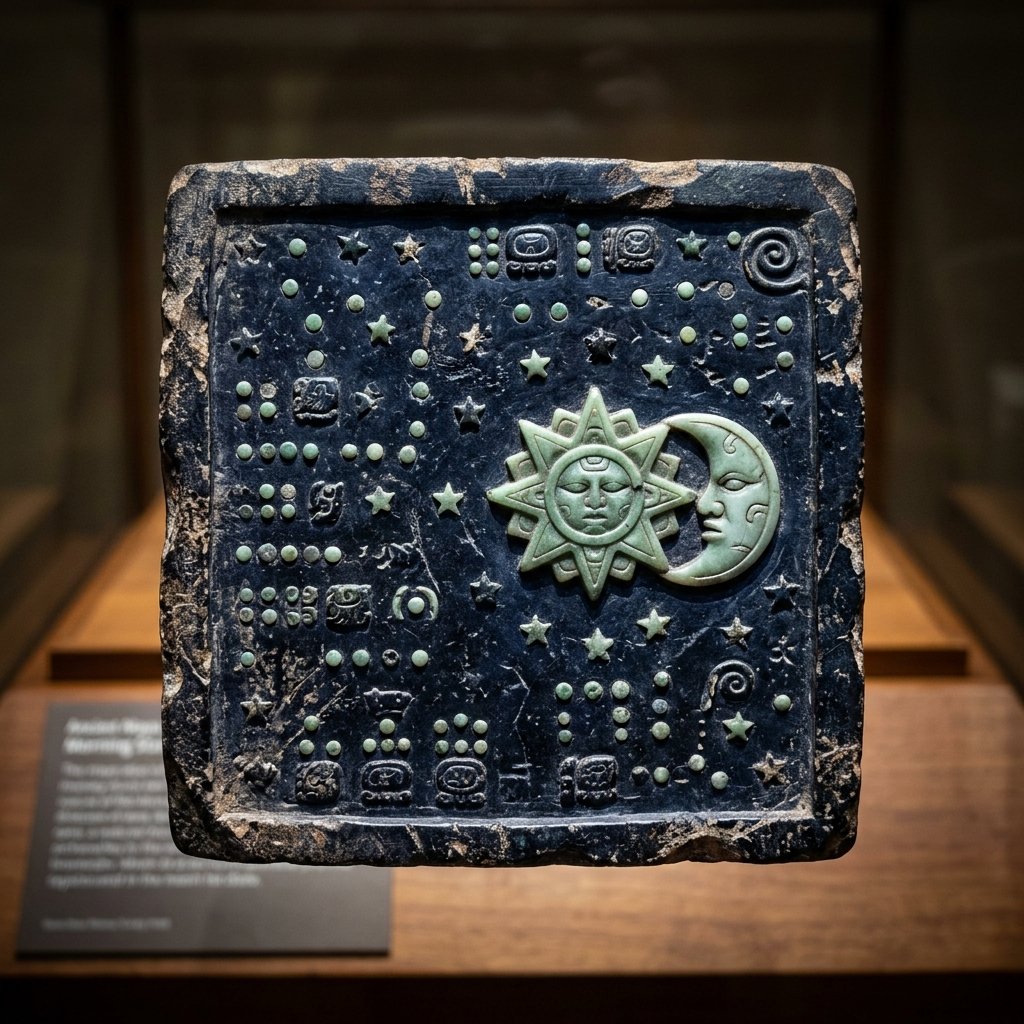 Wo Black Conjunction 3
 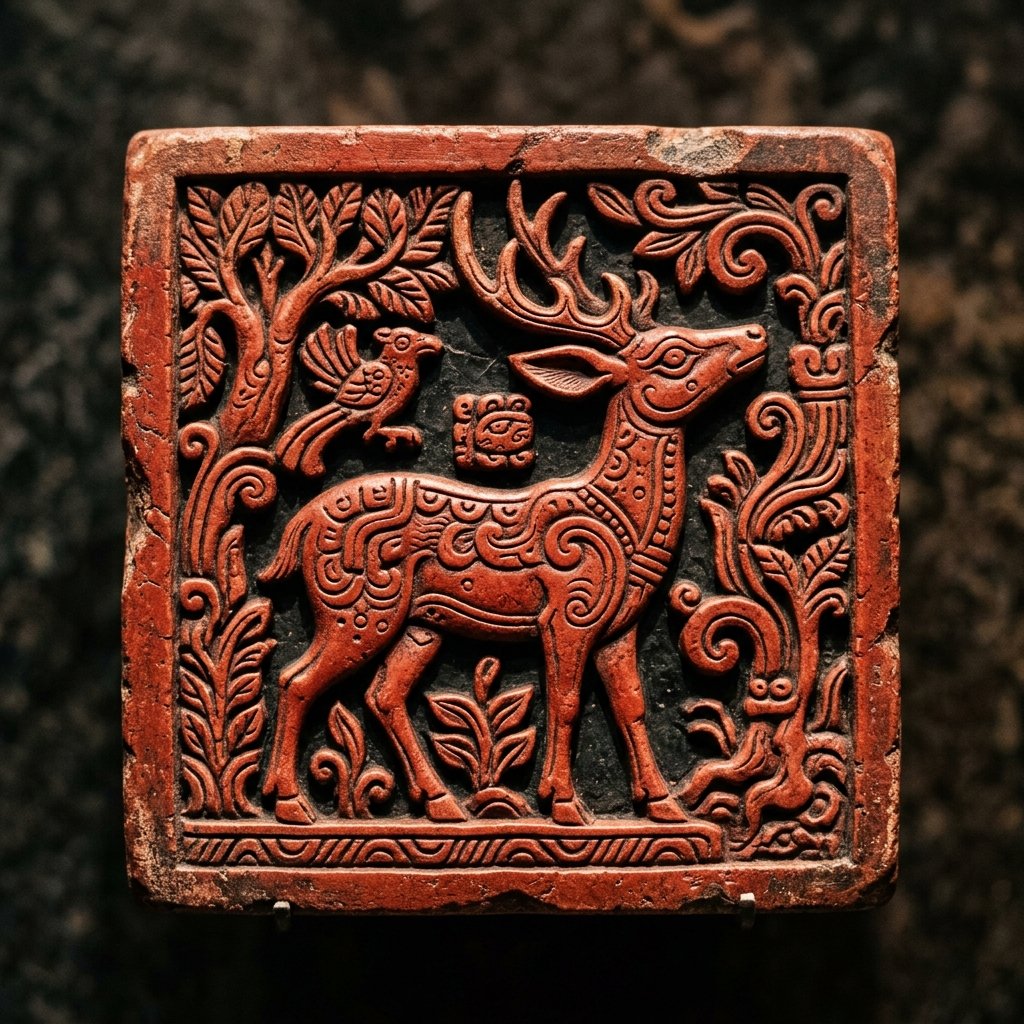 Sip Red Conjunction 4
 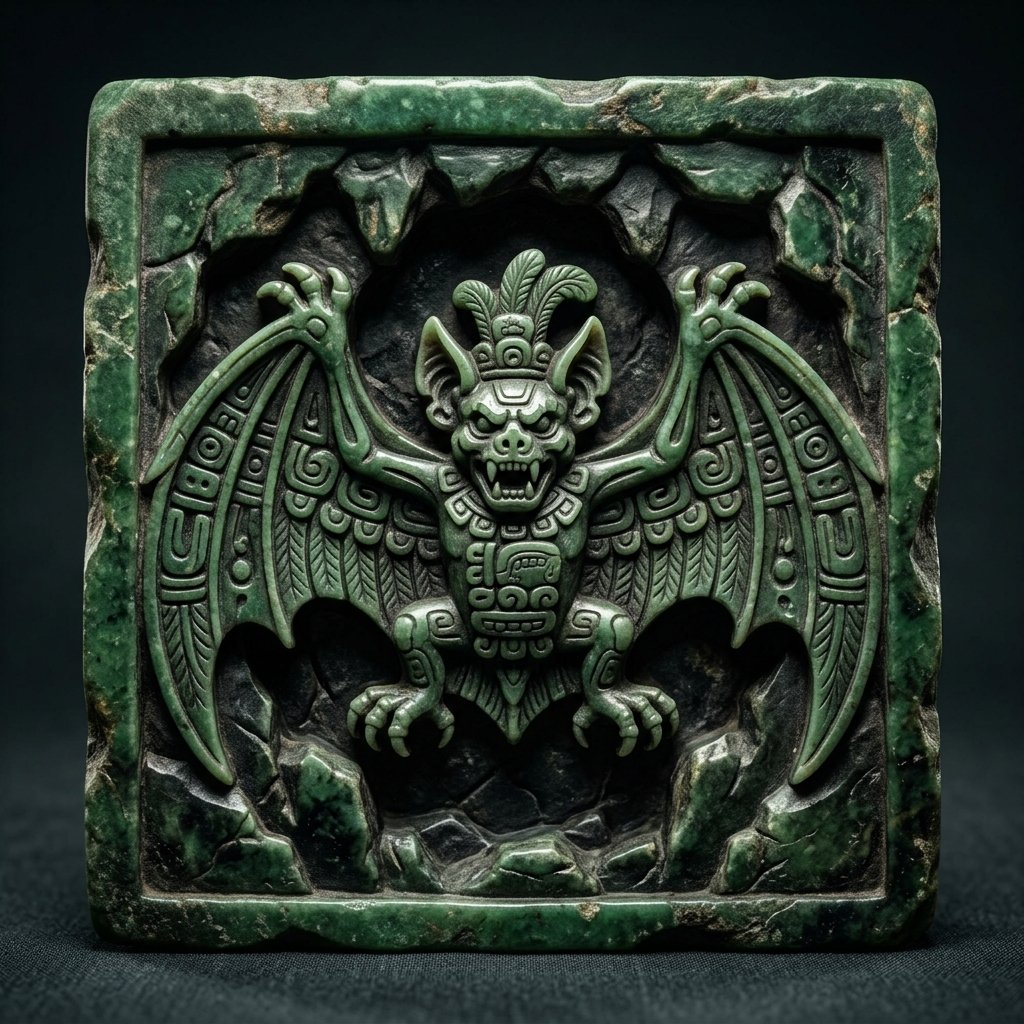 Sotz Bat 5
 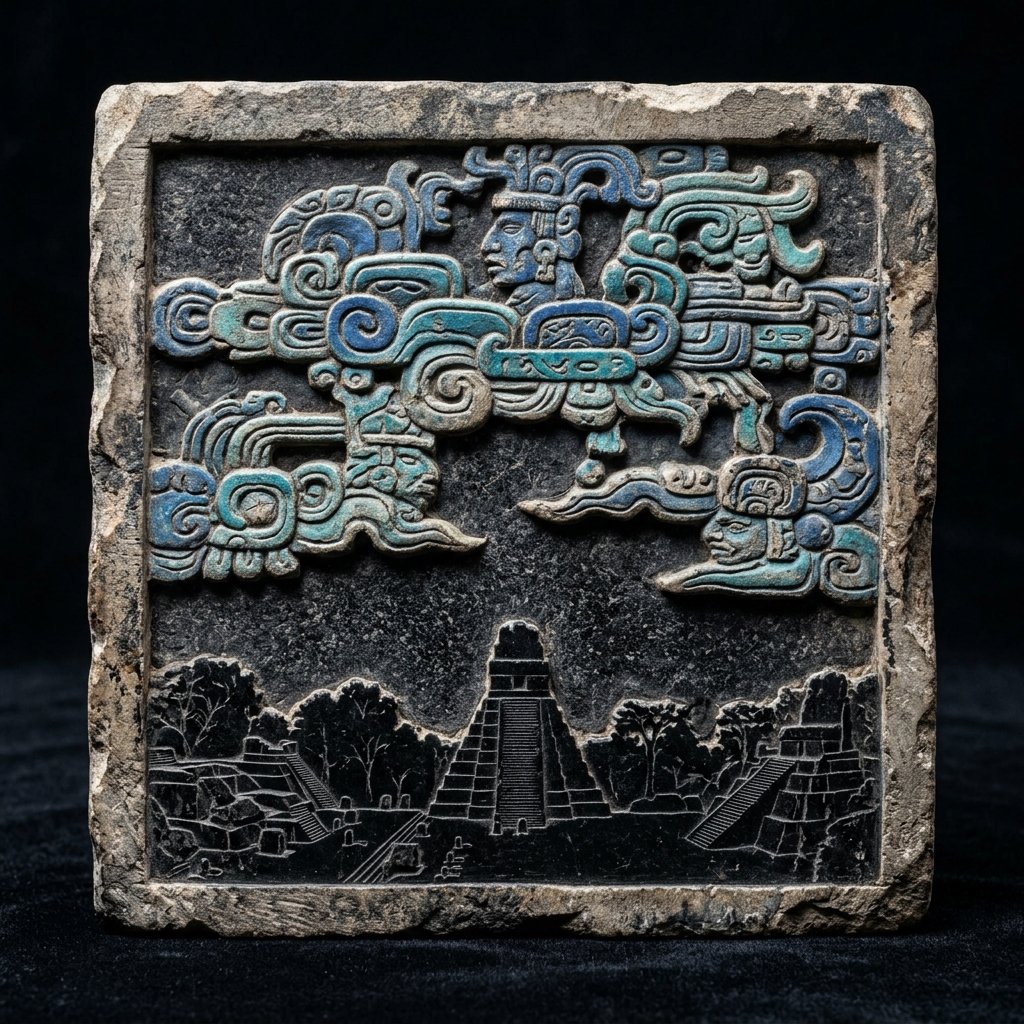 Sek Sky 6
 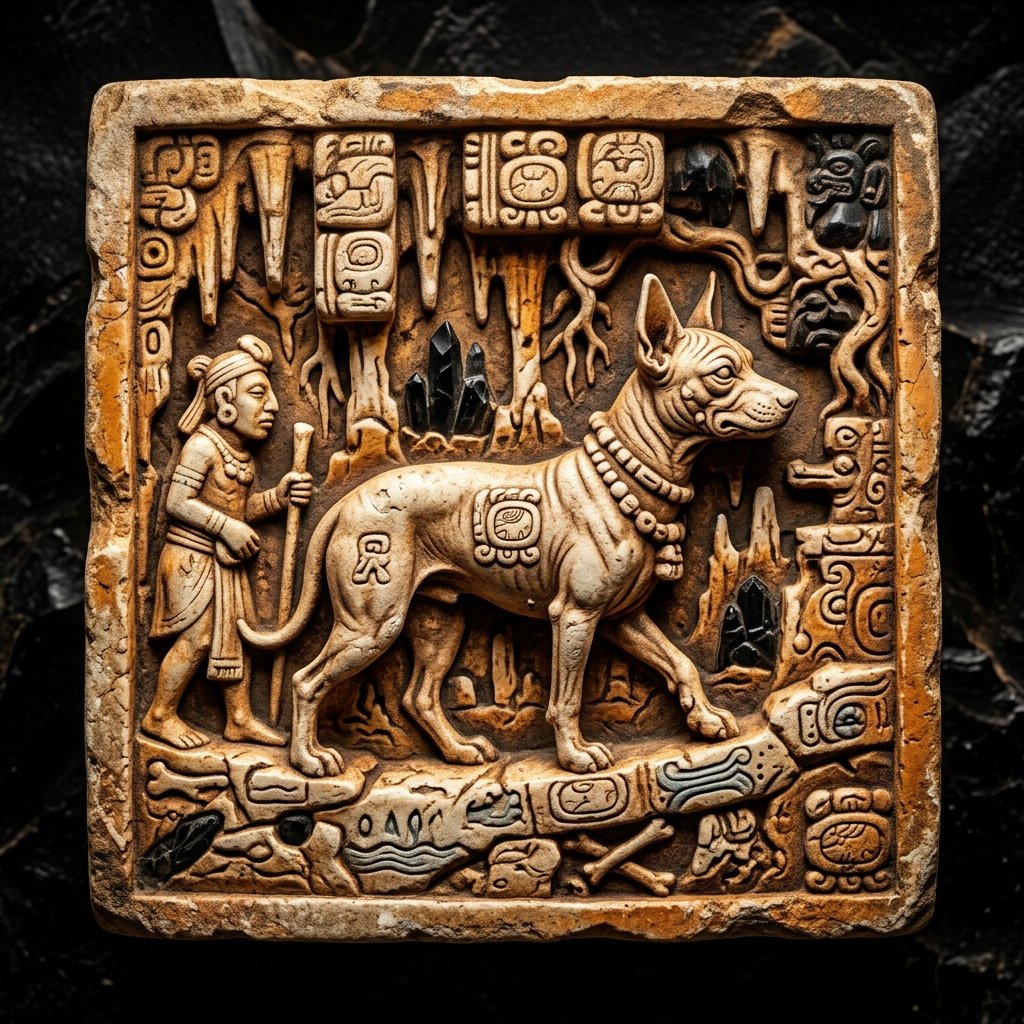 Xul Dog 7
 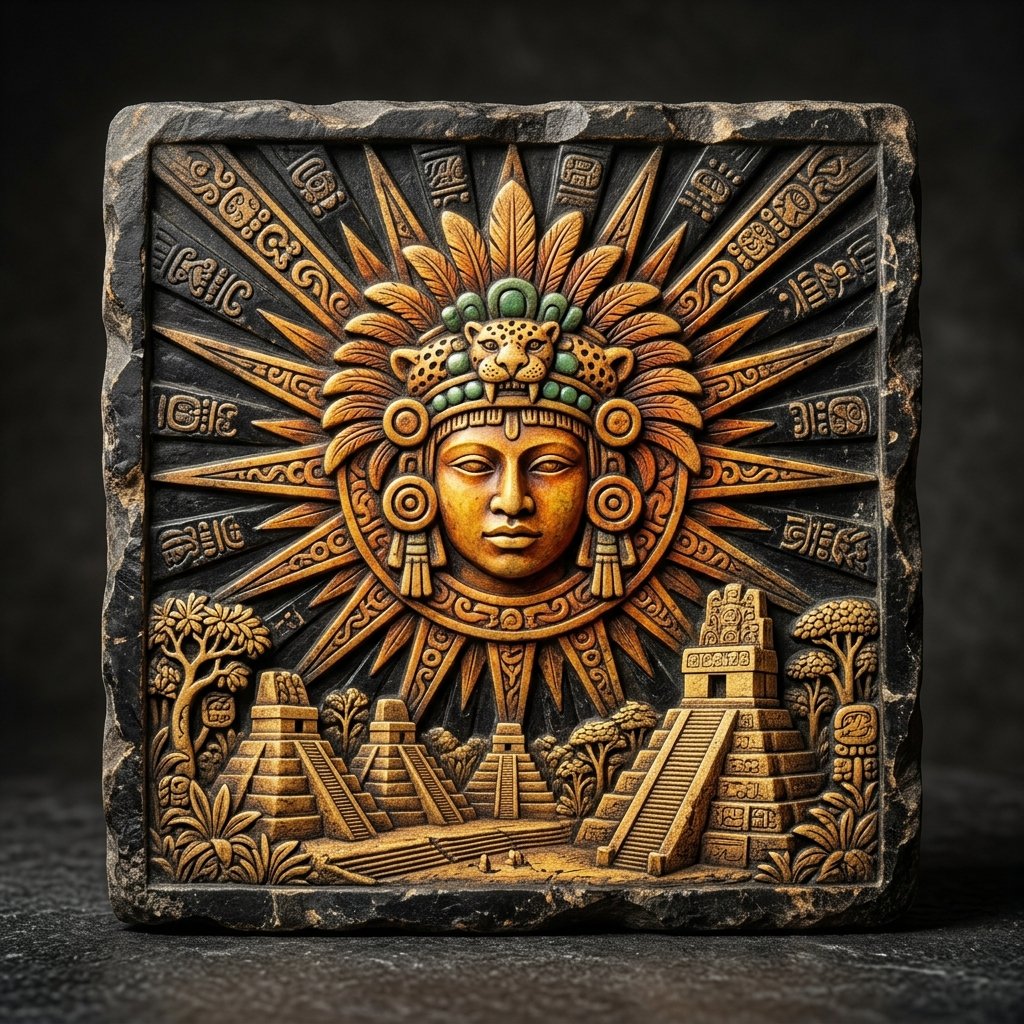 Yaxkin New Sun 8
 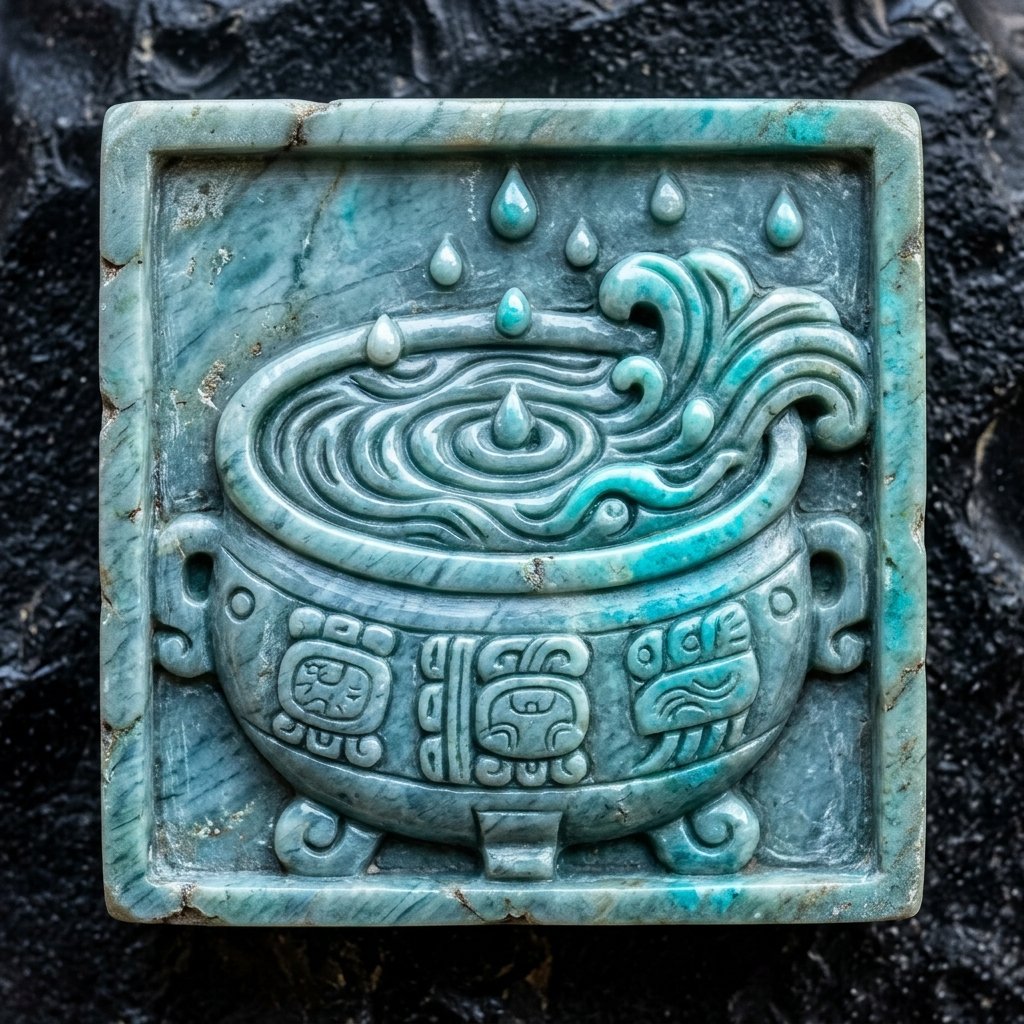 Mol Water 9
 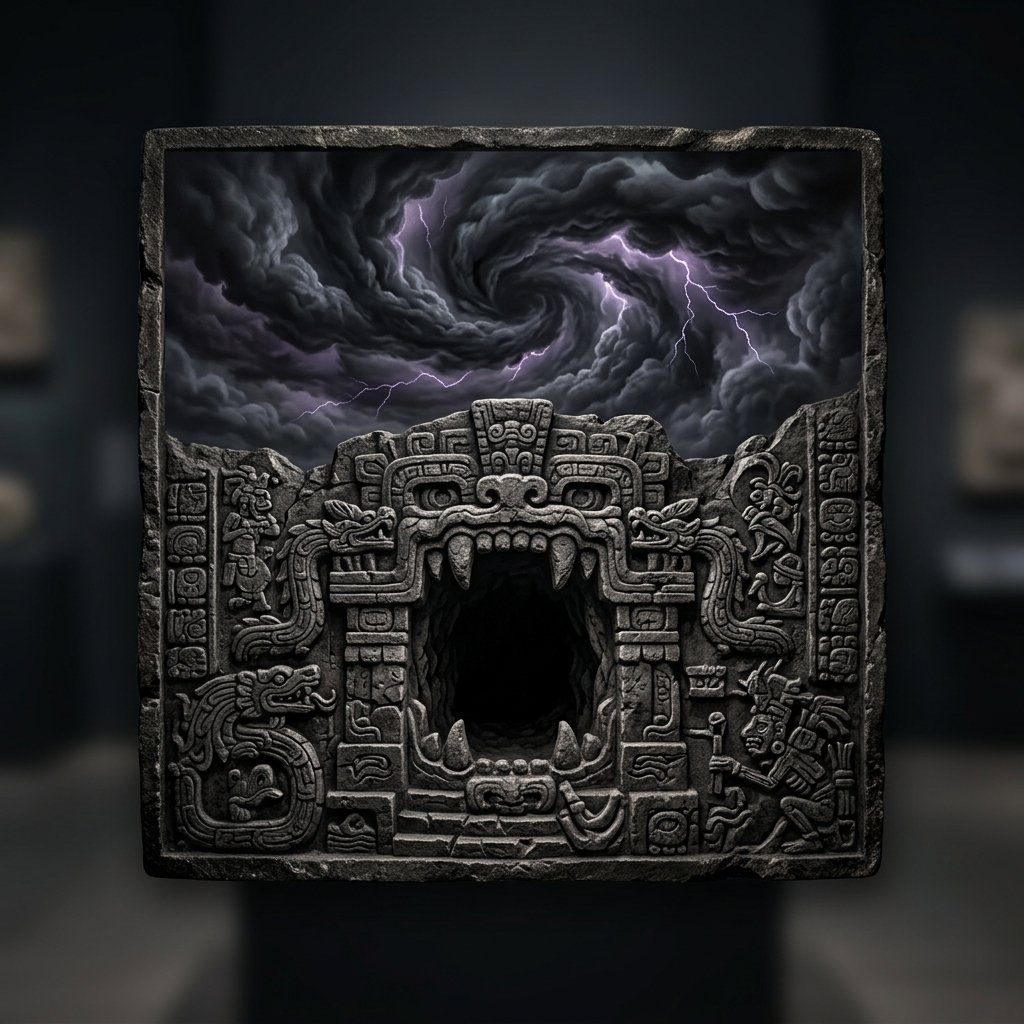 Chen Black Storm 10
 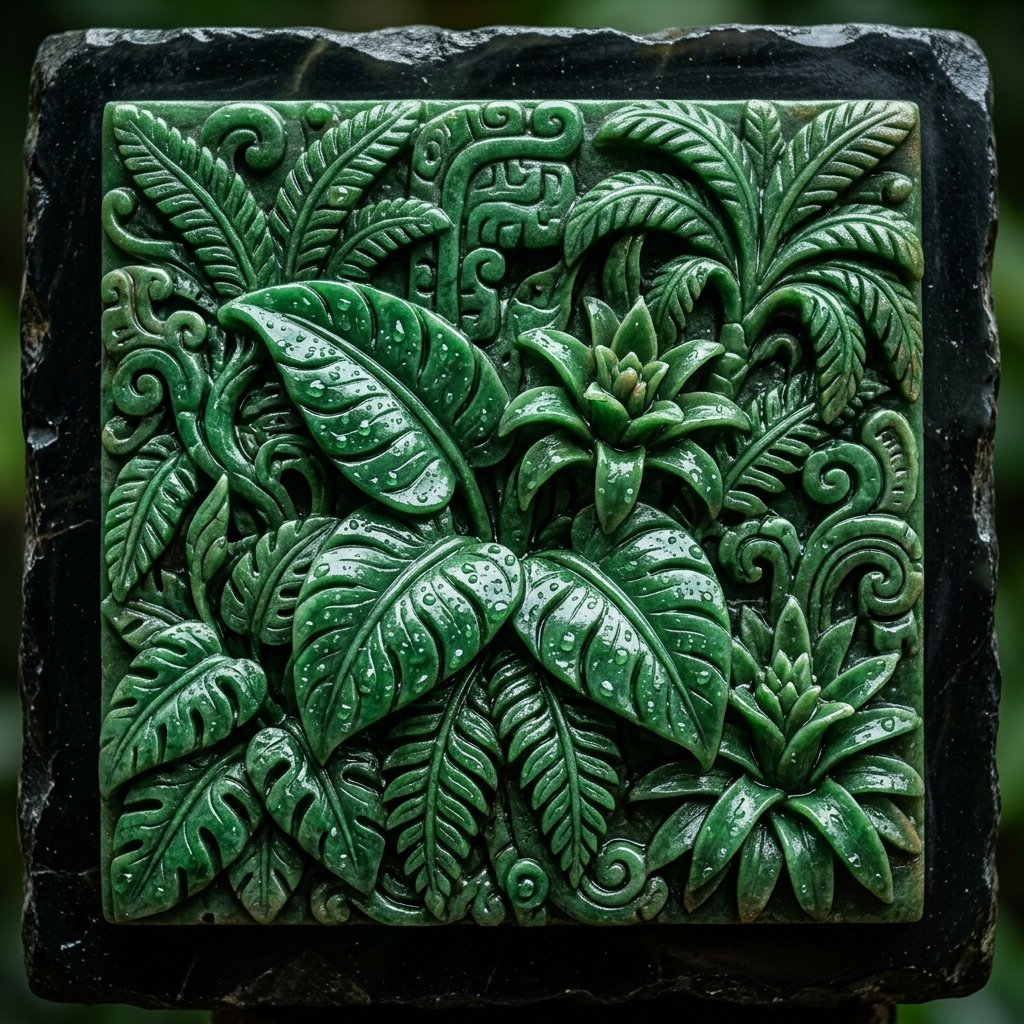 Yax Green Storm 11
 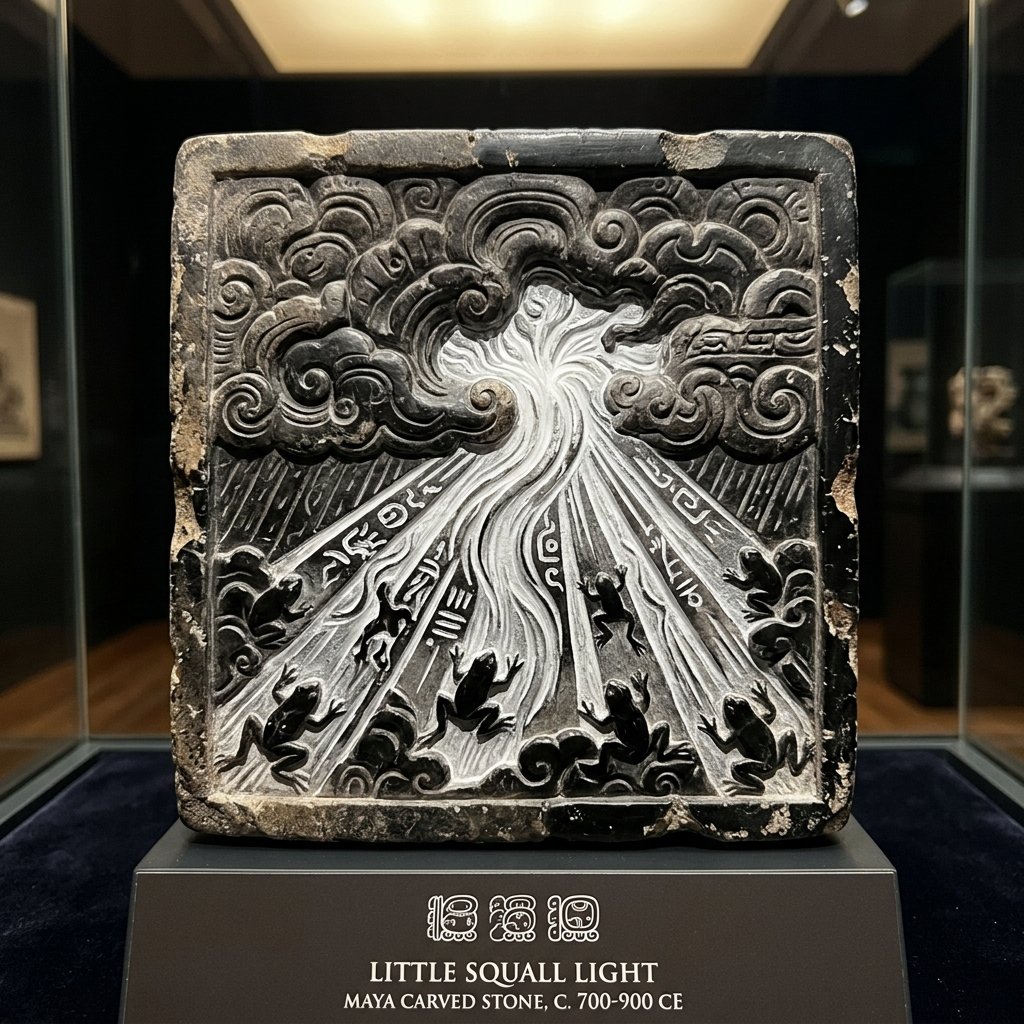 Sak White Storm 12
 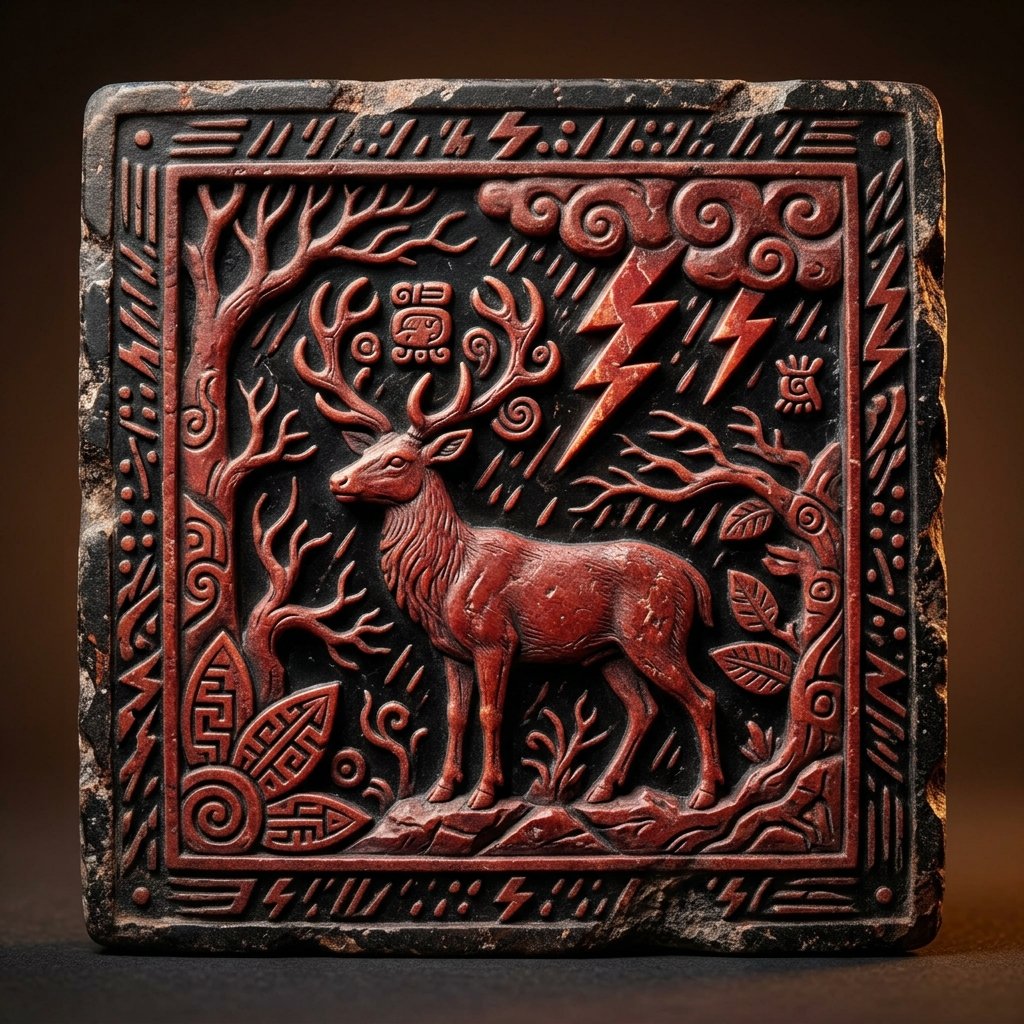 Keh Red Storm 13
 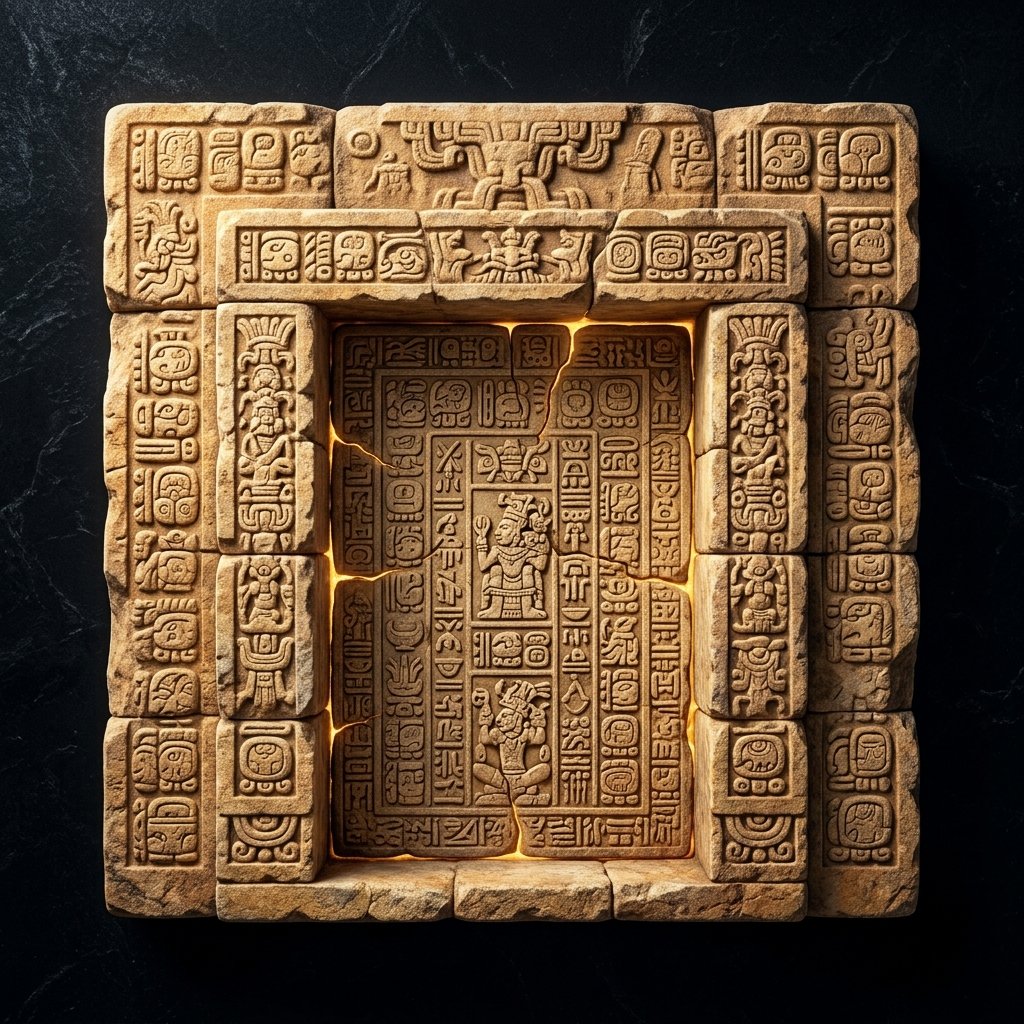 Mak Enclosed 14
 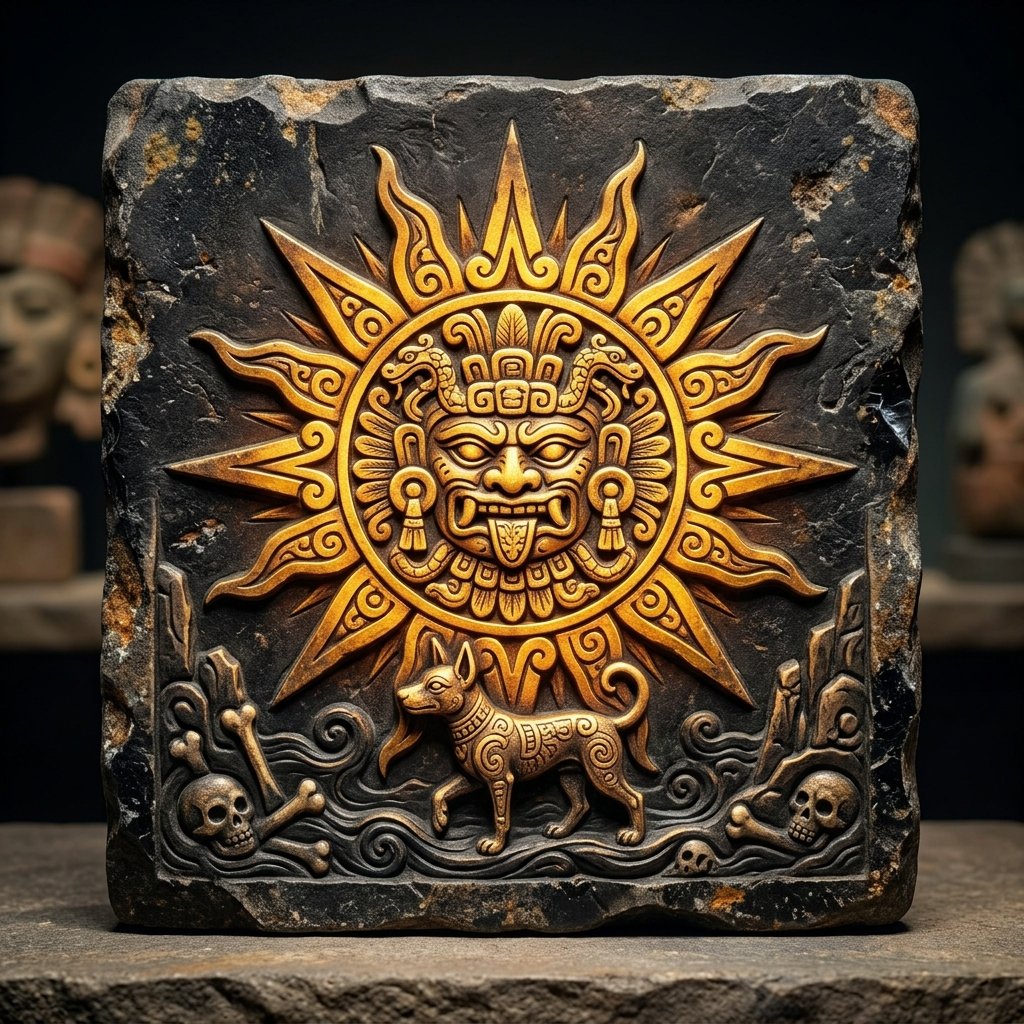 Kankin Yellow Sun 15
 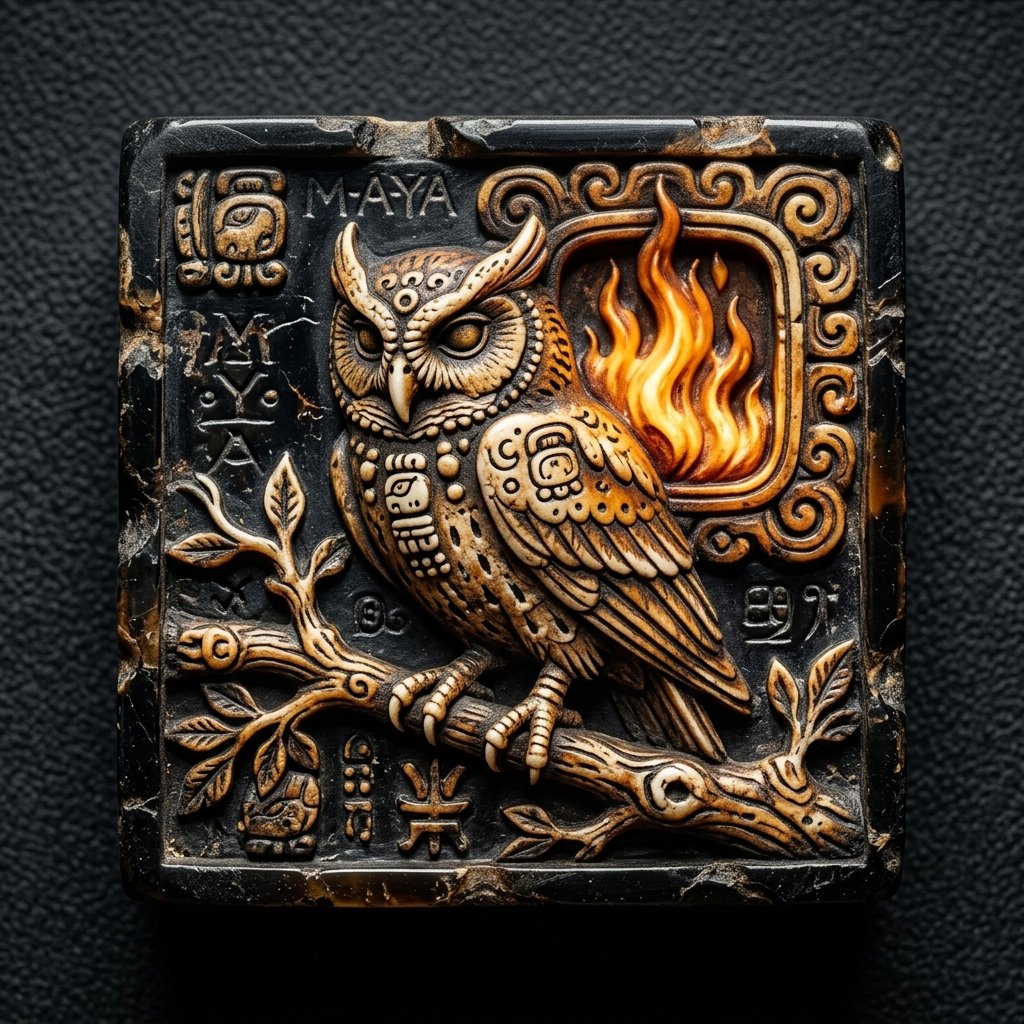 Muwan Owl 16
 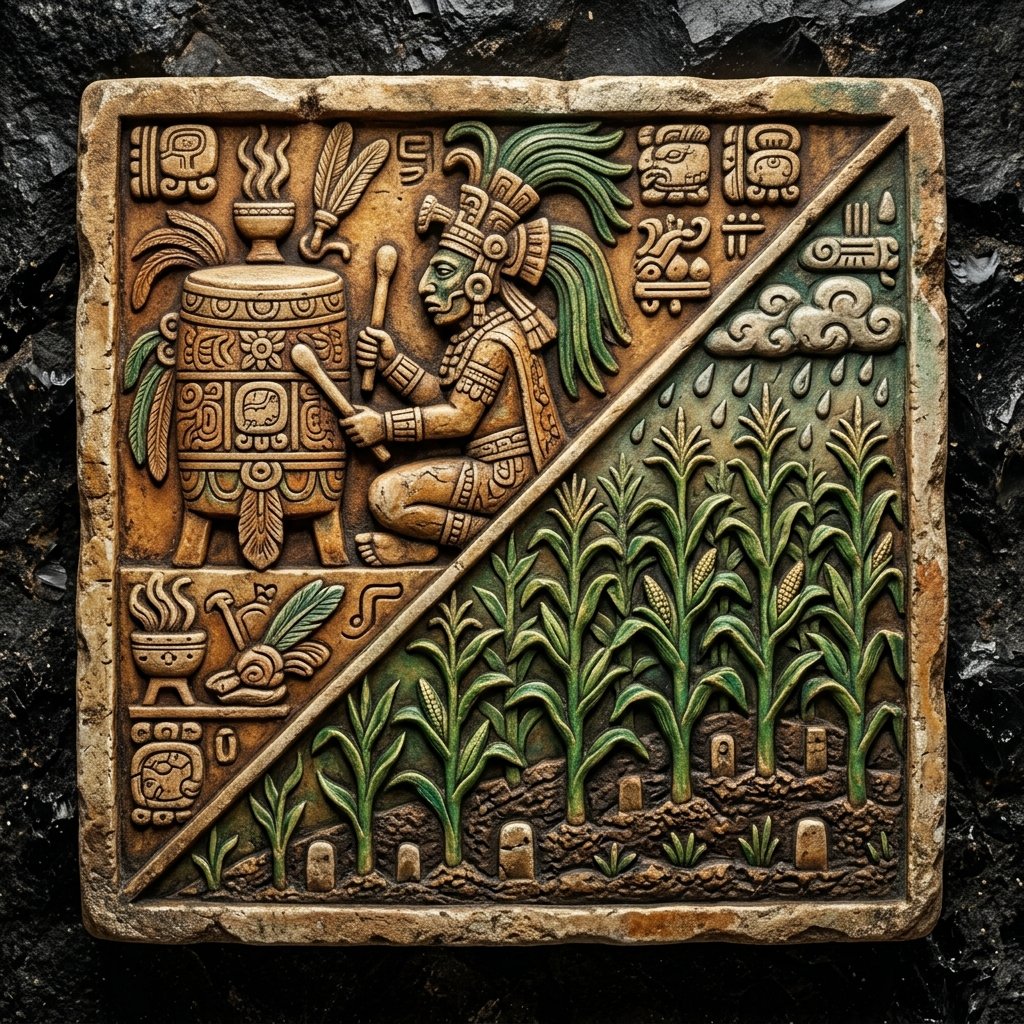 Pax Planting Time 17
 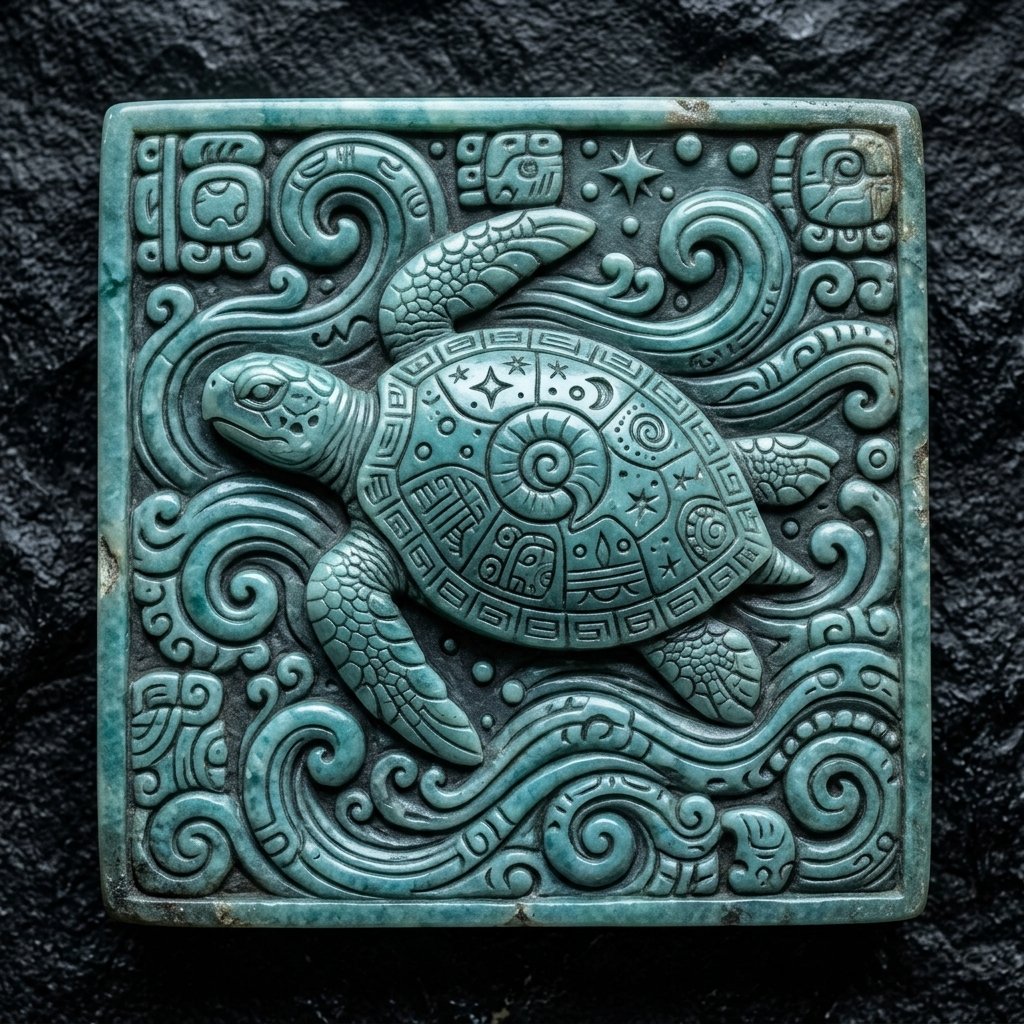 Kayab Turtle 18
  Kumku Granary 19
  Wayeb Nameless Days
 3. The Long Count — Historical Calendar
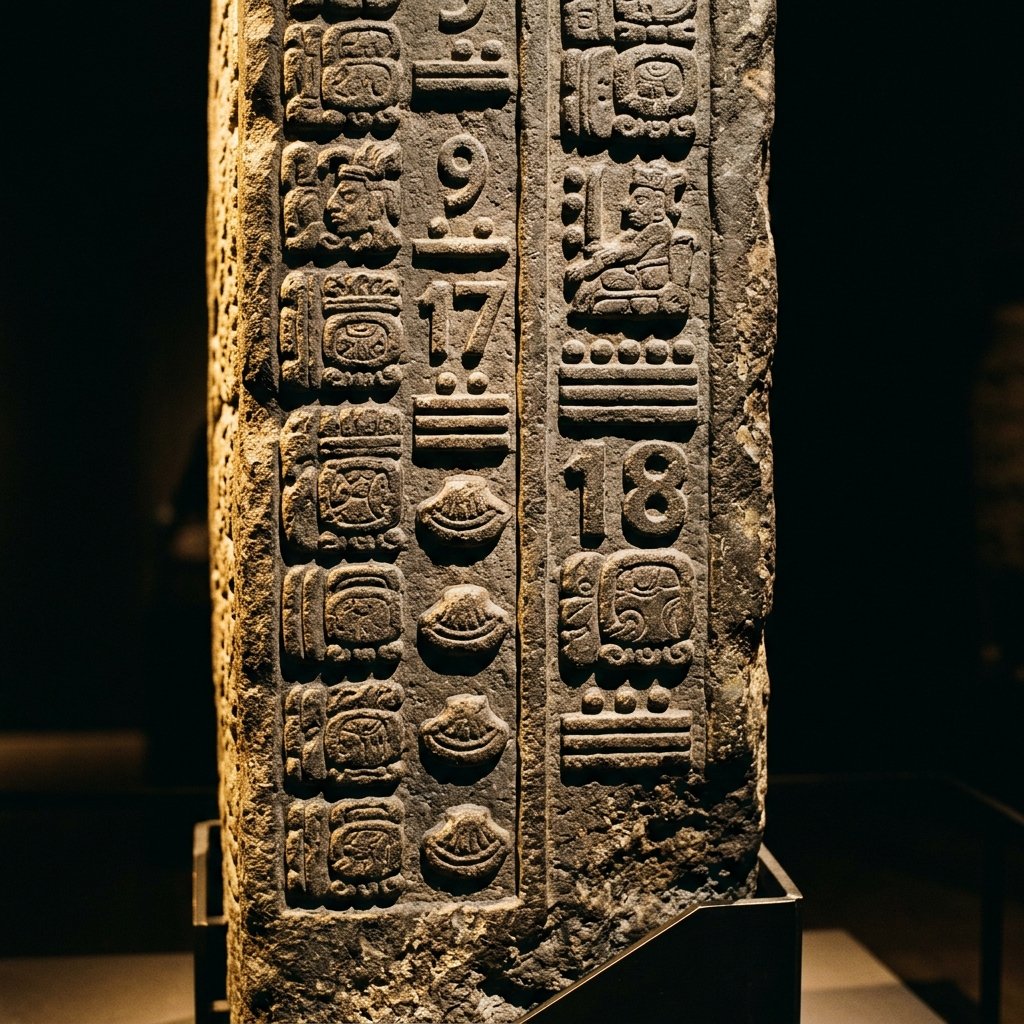
A Long Count inscription on a Classic Period stela, showing the distinctive vertical columns of bar-and-dot numerals that record an exact date in Maya history. These monuments served as permanent historical records — ensuring that dynastic events were never lost to time.
The Long Count is a linear calendar counting individual days from the Maya creation date — August 11, 3114 BC (in the GMT correlation). It's expressed as a five-part number: Baktun.Katun.Tun.Uinal.Kin.
Long Count Units
- 1 Kin = 1 day
- 1 Uinal = 20 Kin = 20 days
- 1 Tun = 18 Uinal = 360 days (~1 year)
- 1 Katun = 20 Tun = 7,200 days (~20 years)
- 1 Baktun = 20 Katun = 144,000 days (~394 years)
The Calendar Round
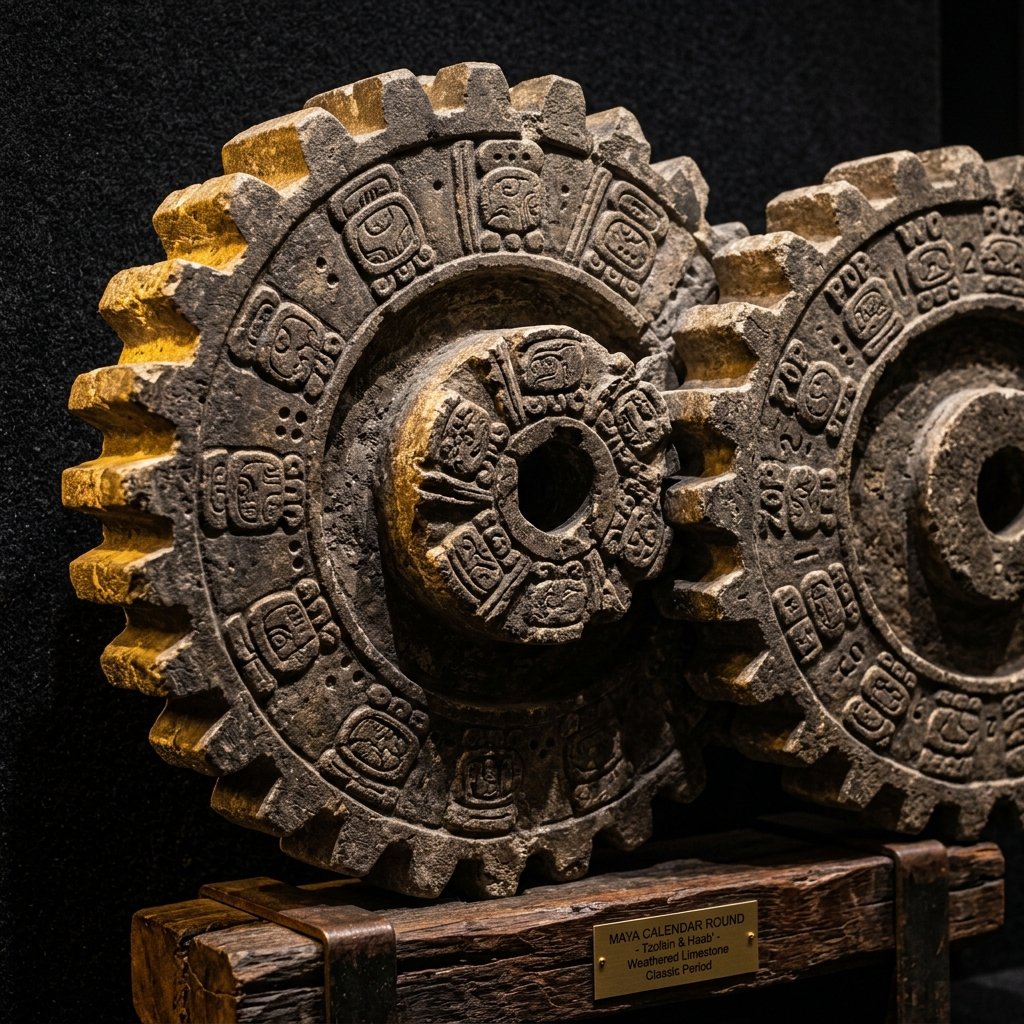
Two interlocking carved stone calendar wheels representing the Calendar Round — the gear-like mechanism by which the 260-day Tzolk'in and 365-day Haab' meshed together to create a 52-year cycle of unique date combinations. Completing an entire Calendar Round was considered a profound generational achievement.
When the Tzolk'in and Haab' cycles are combined, they create the Calendar Round — a cycle of 18,980 days (approximately 52 years) before the same combination of Tzolk'in and Haab' dates repeats. This was the primary way the Maya dated events in their daily lives.
Convert Any Date
Use our Maya Calendar Converter to see any date — past, present, or future — in all three calendar systems simultaneously.
Explore More
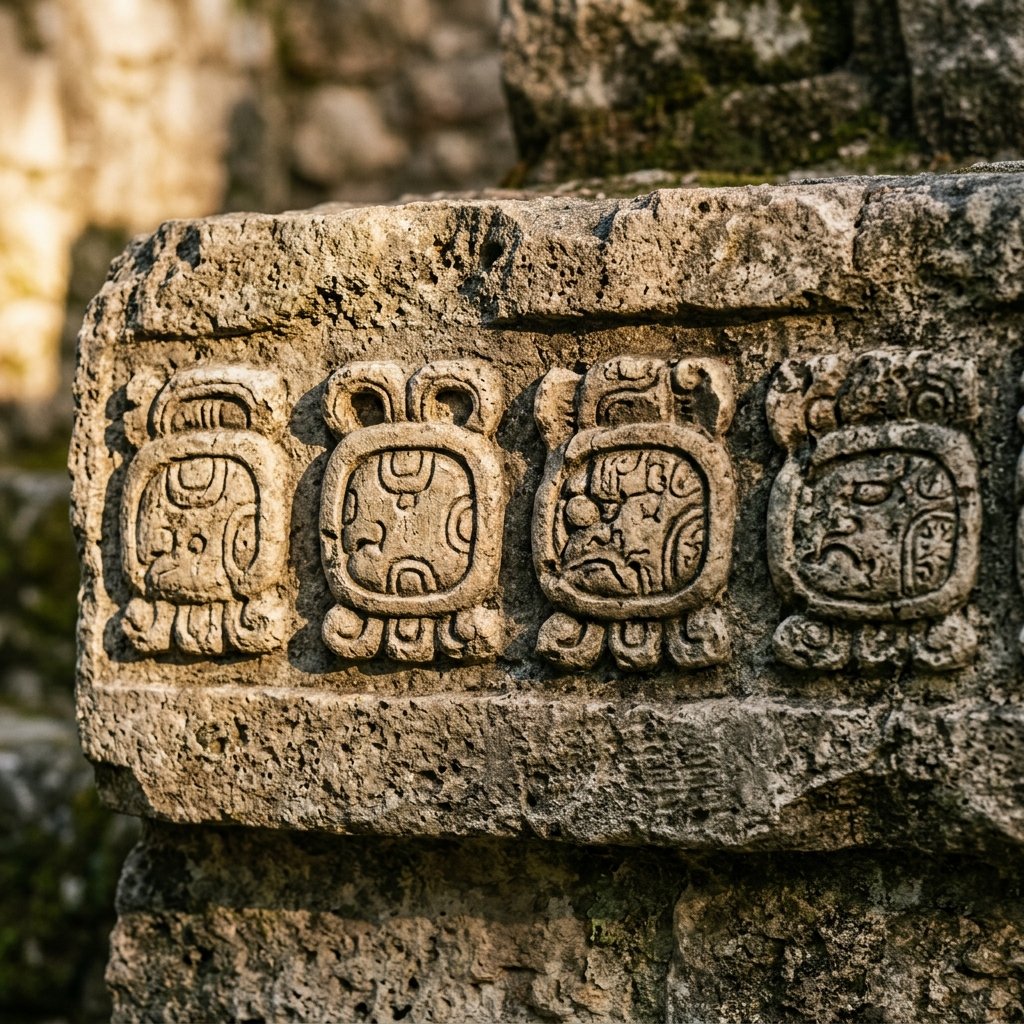
The Haab (Solar Year)
The Haab was the ancient civil calendar tracking the 365-day solar year. It consisted of exactly 18 named "months" of 20 days each, ensuring farmers knew precisely when to plant and harvest their vital corn crops.
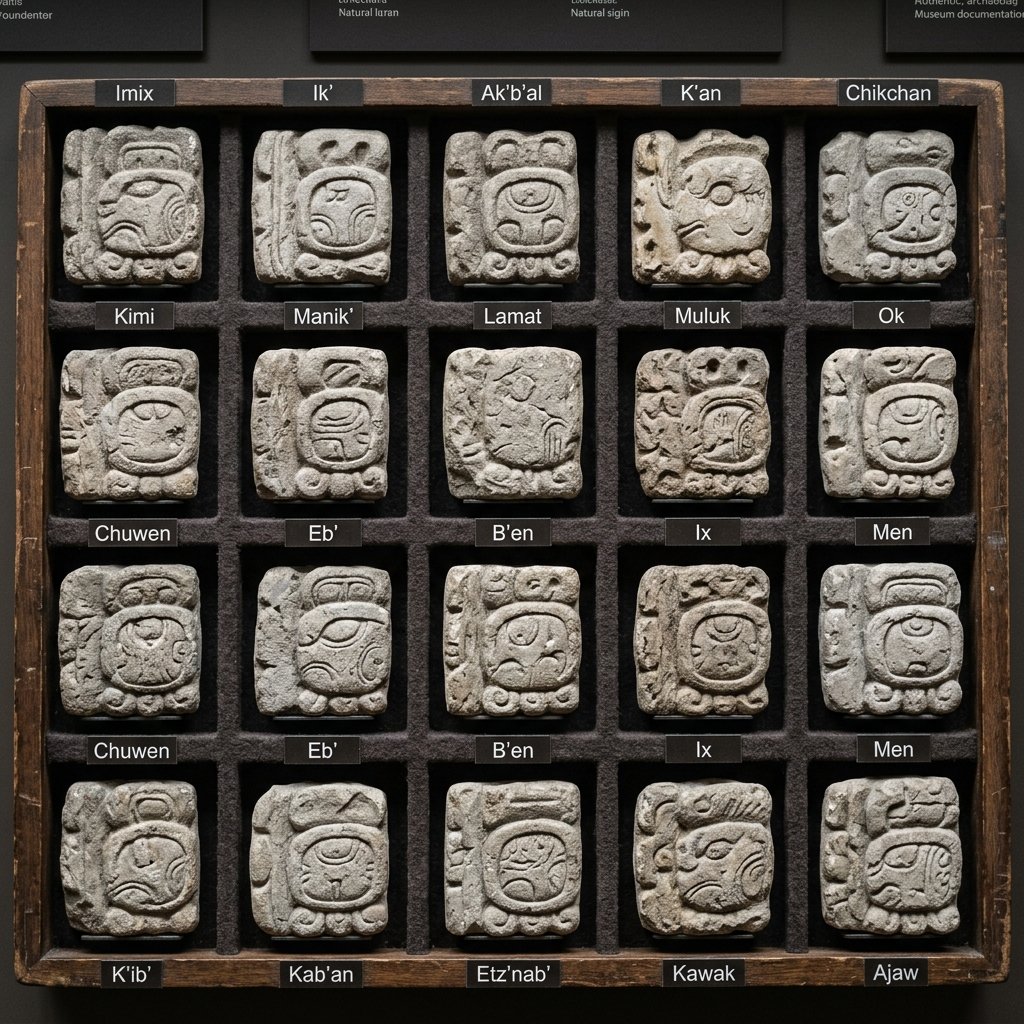
The Tzolk'in (Sacred Count)
The Tzolk'in is the 260-day sacred calendar used for divination and ritual timing. By meshing 20 day signs with 13 numbers, it creates unique cosmic destinies that are still consulted by traditional daykeepers today.
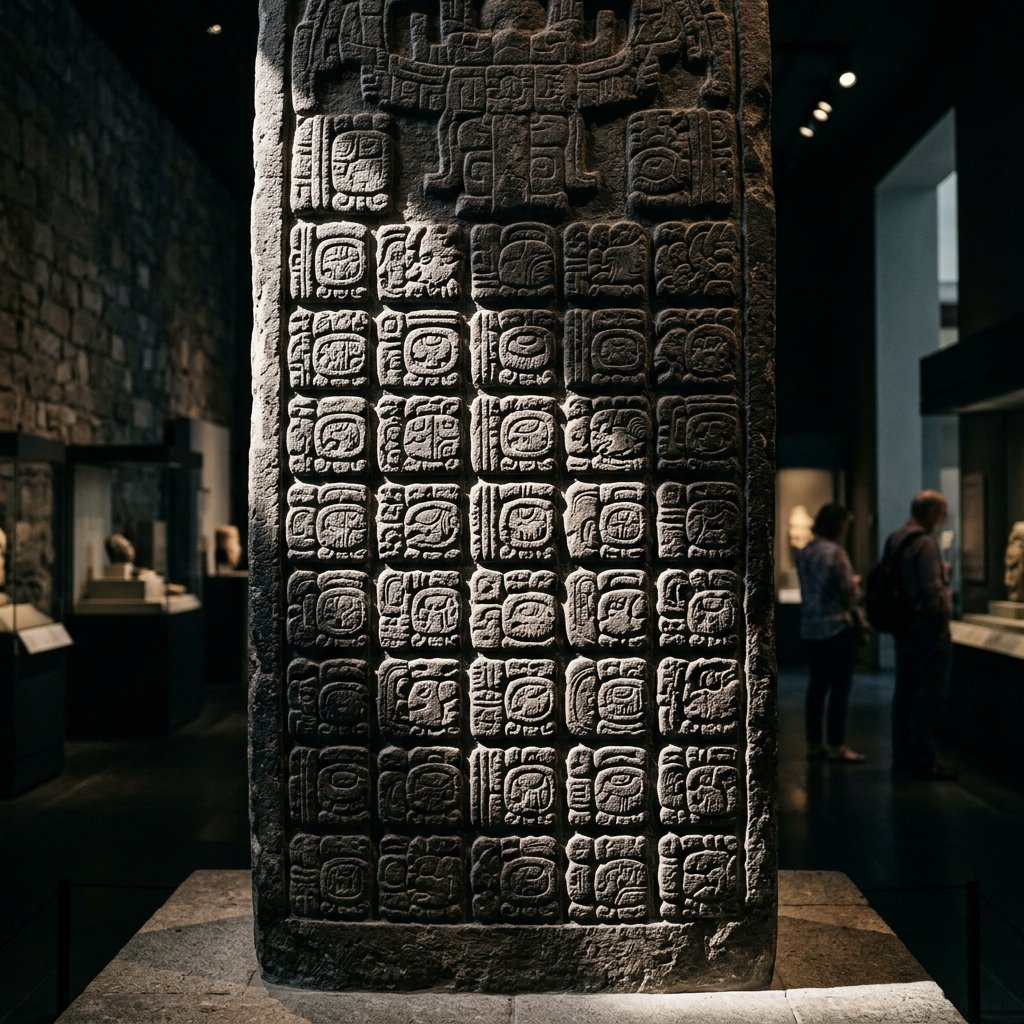
The Long Count
Used to permanently record dynastic history, the Long Count tracks the absolute number of days since a mythical creation event in 3114 BC. This base-20 mathematical system ensured monumental dates were never lost to time.
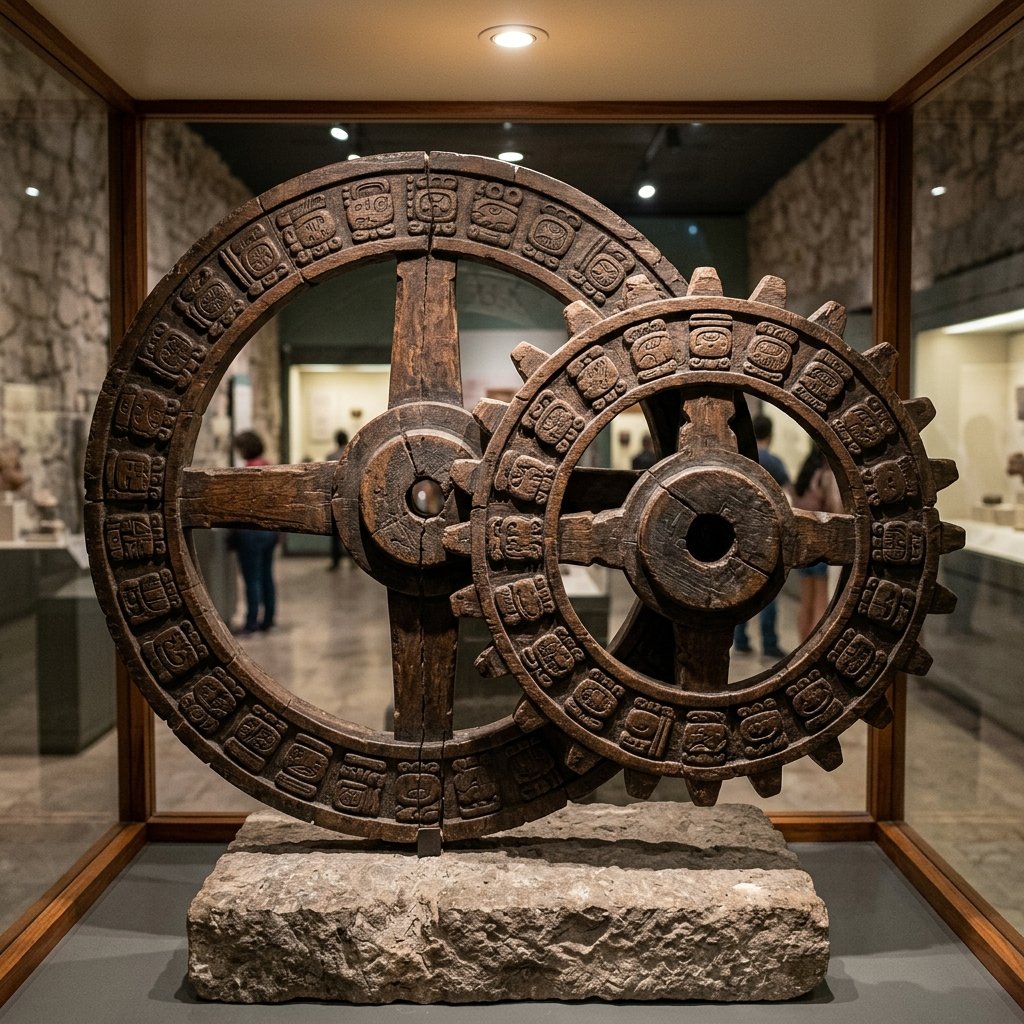
The Calendar Round
When the Tzolk'in and Haab run simultaneously, a specific date combination will only repeat once every 52 solar years. Surviving an entire Calendar Round was considered a profound generational milestone in Mesoamerica.
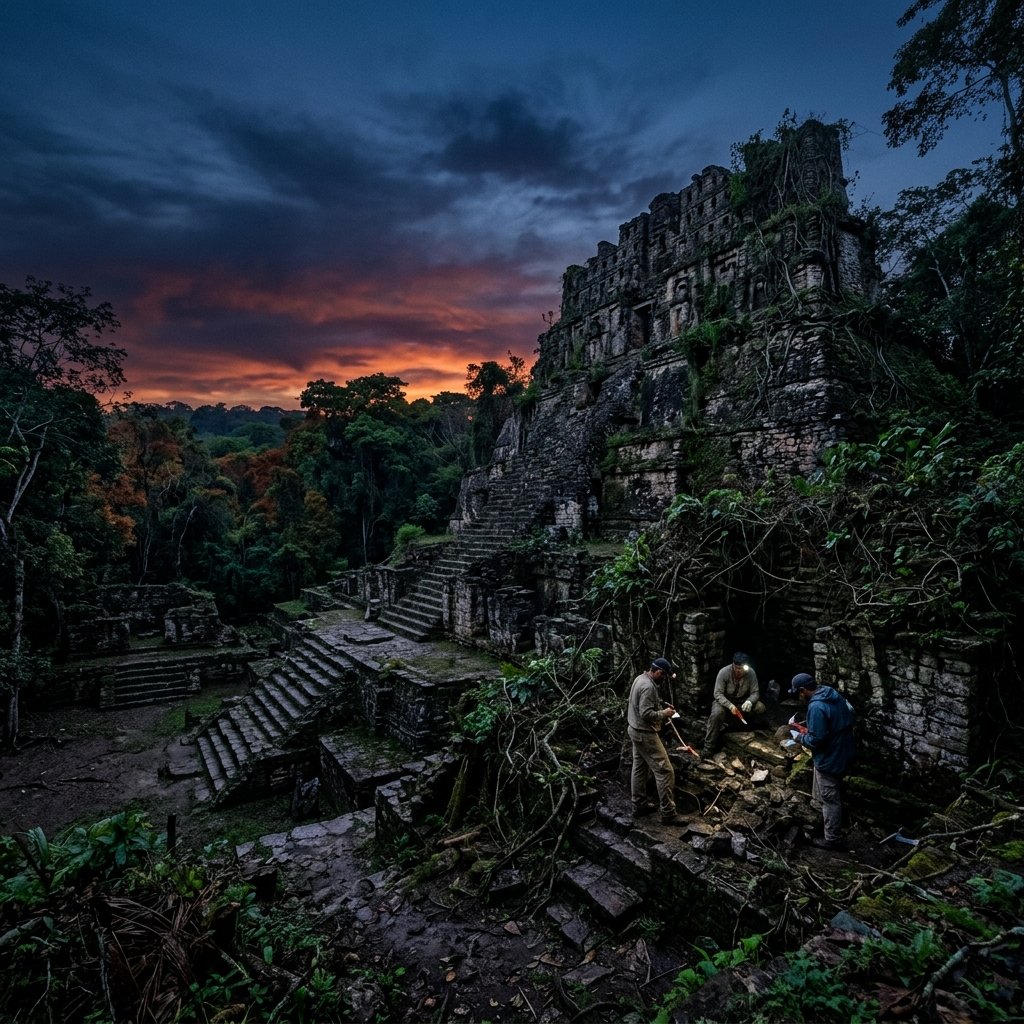
The Wayeb
At the very end of the 360-day Haab cycle sat five liminal days called the Wayeb. The Maya considered this period profoundly dangerous, practicing strict taboos and rituals to protect the world during its cosmic transition.
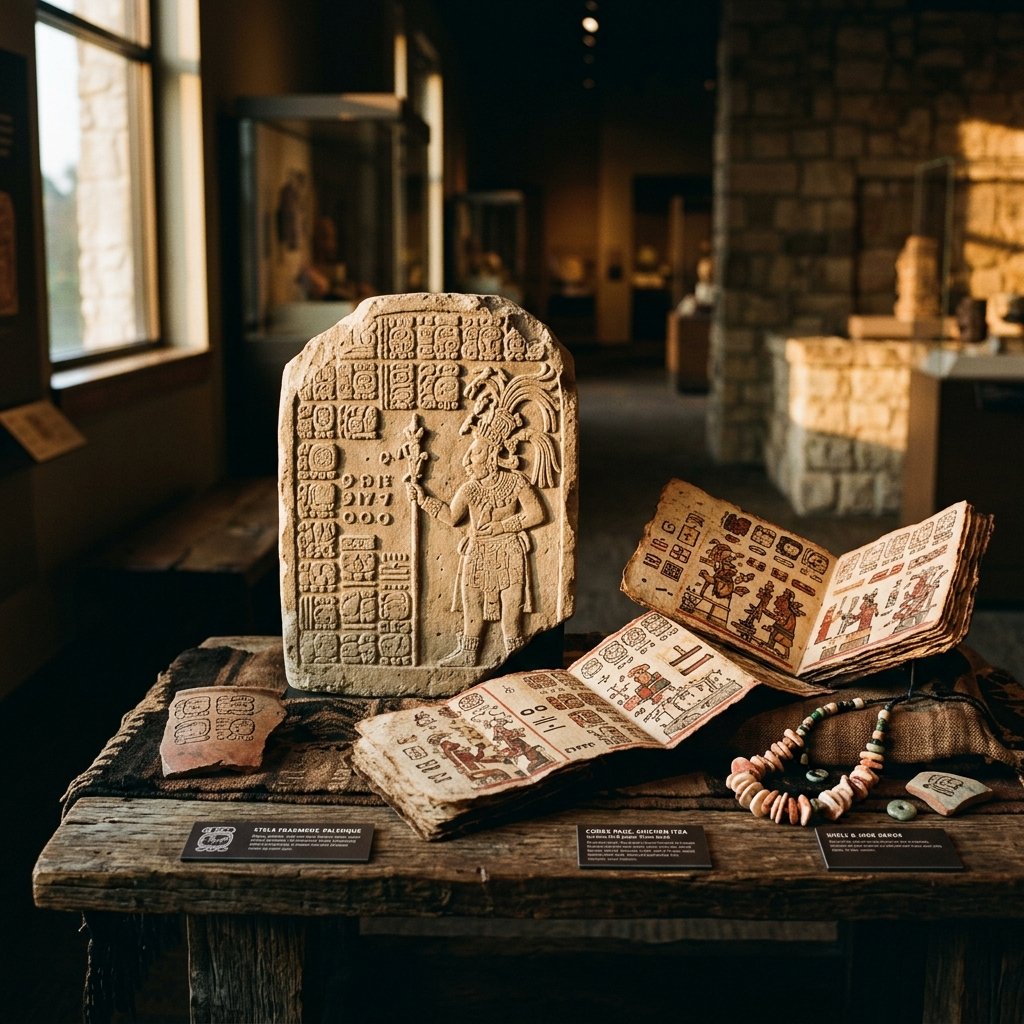
How It All Works
The genius of the Maya was that they did not use a single calendar. Explore how they stacked the Tzolk'in, Haab, Calendar Round, and Long Count together to solve complex civic, agricultural, and spiritual problems simultaneously.
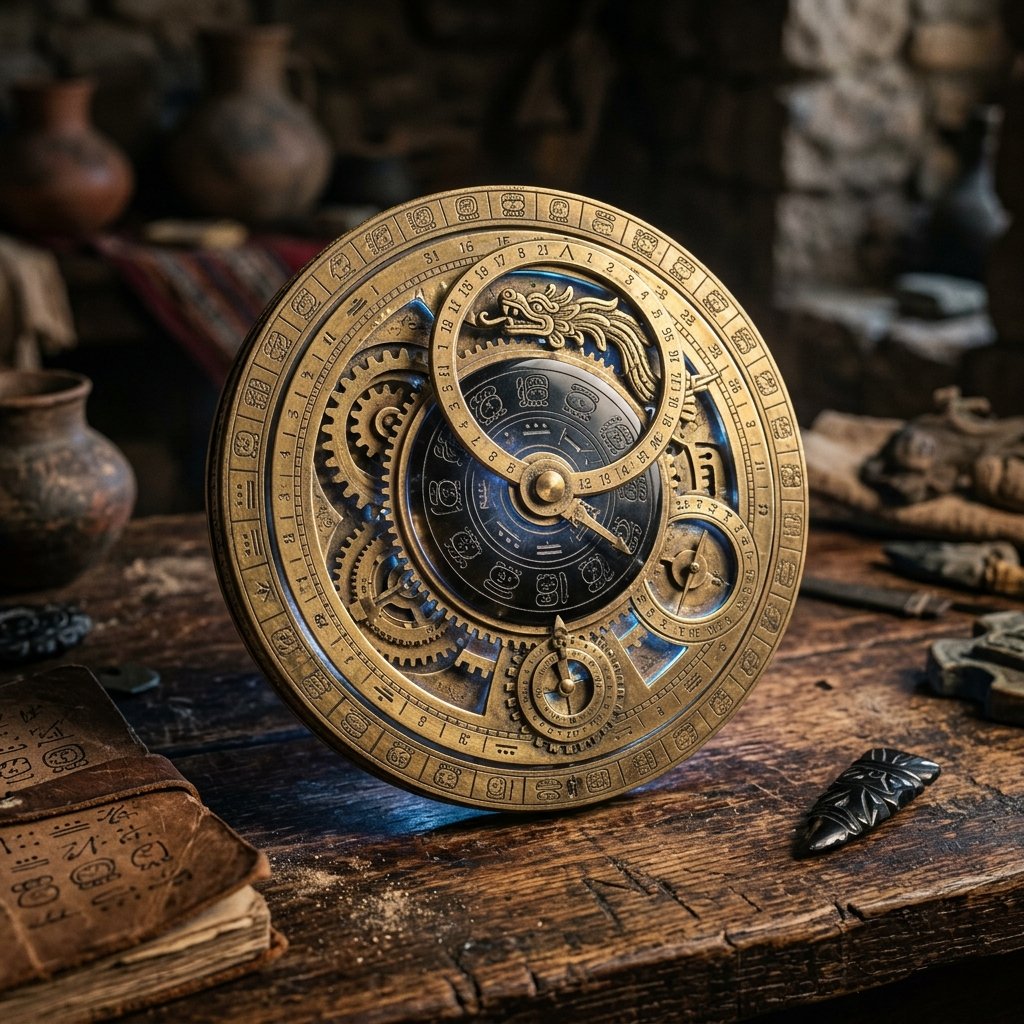
Calendar Converter
Use our interactive tool to instantly translate any modern Gregorian date into its precise Maya equivalent. Calculate the exact Long Count, Tzolk'in sign, and Haab period for birthdays, anniversaries, or historical events.

Mayan Astrology
Your cosmic identity was determined by the exact day you were born in the 260-day count. Learn how your specific combination of the 20 Day Signs and 13 Galactic Tones governs your personality and spiritual path.
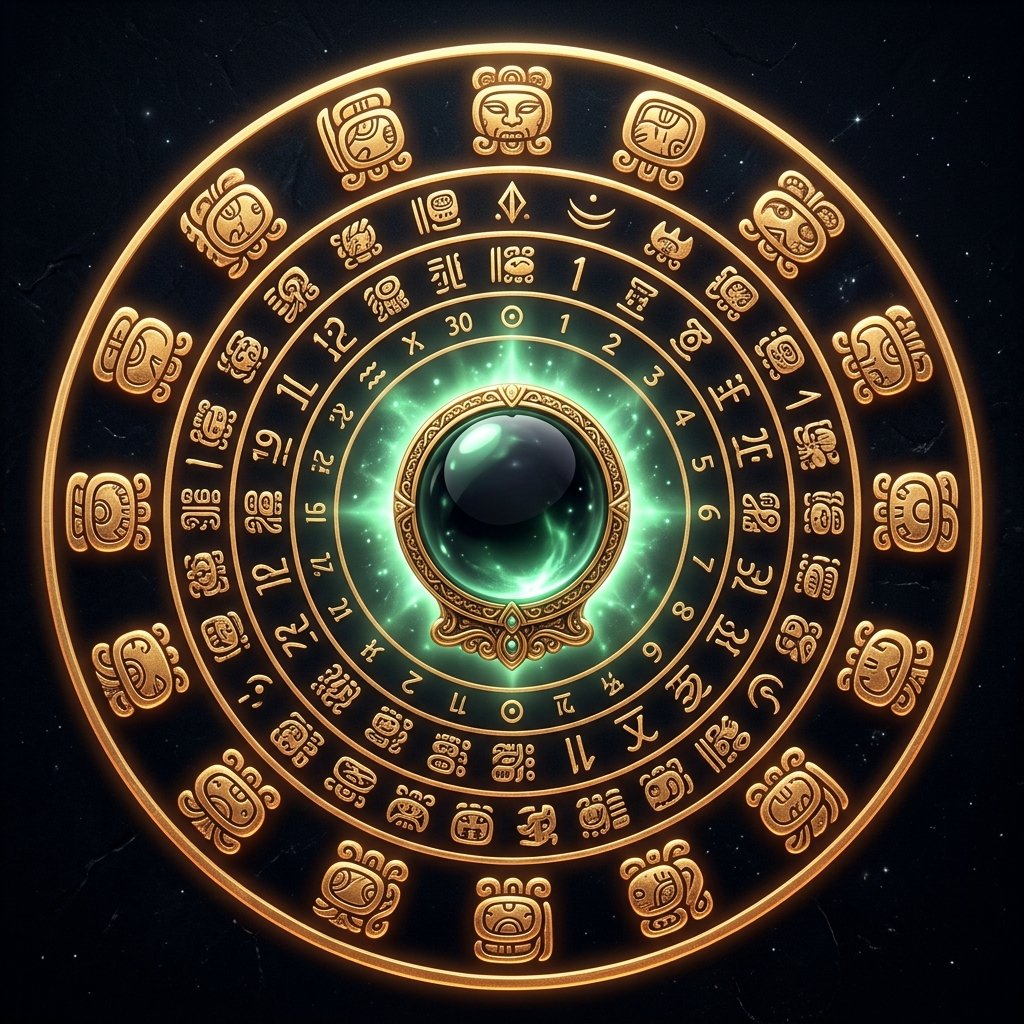
Sign Calculator
Eager to find your own Maya day sign and tone? Our astrology calculator instantly computes your spiritual birthdate and reveals the ancient meanings attached to your personal cosmic patron deity.
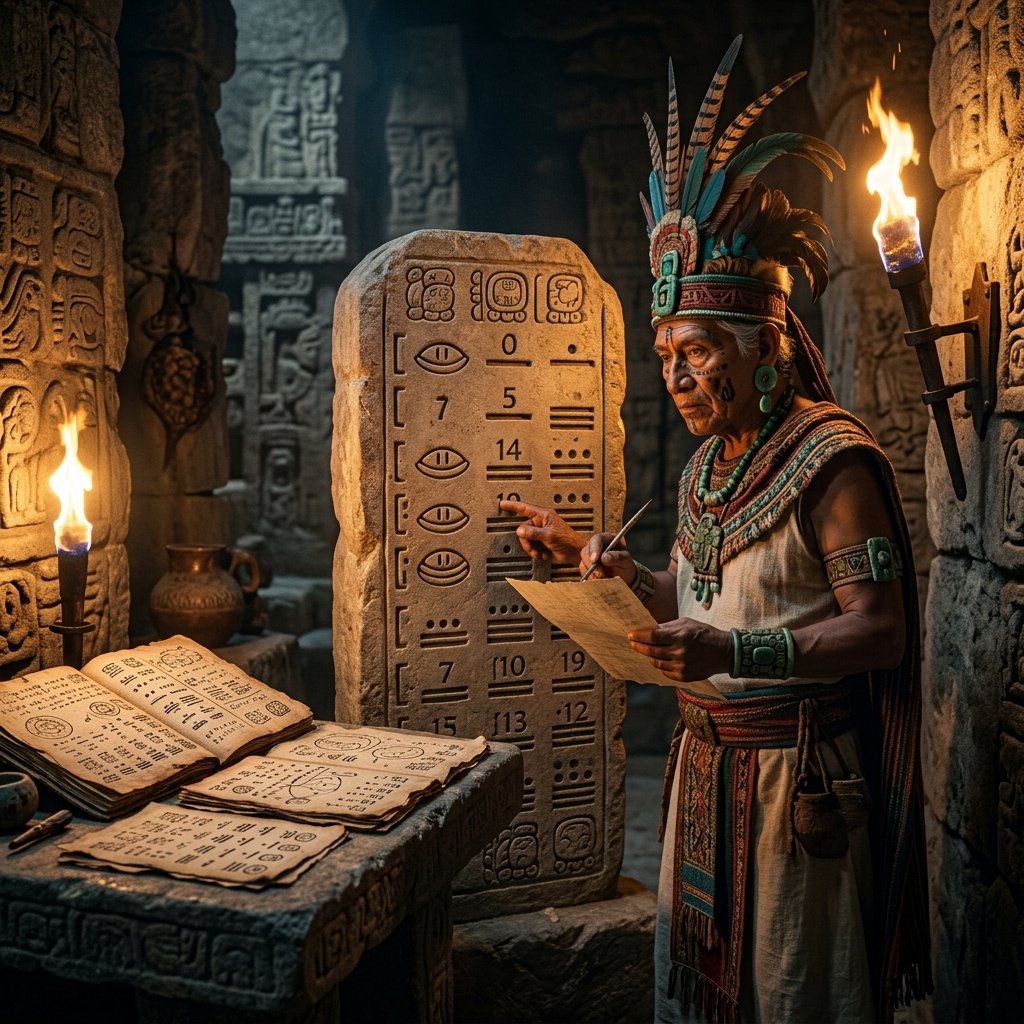
Maya Mathematics
The incredible precision of the Maya calendars was only possible because they independently invented the mathematical concept of zero. Explore their elegant base-20 numbering system composed entirely of dots and bars.
Frequently Asked Questions
Did the Mayan calendar predict the end of the world in 2012?
No. December 21, 2012 marked the completion of the 13th Baktun in the Long Count — a major cycle completion, but not an endpoint. It's comparable to an odometer rolling over. The Maya calendar continues indefinitely, and there is no evidence that ancient Maya predicted any apocalypse.
Is the Mayan calendar more accurate than ours?
The Maya calculated the solar year at 365.2420 days. Our modern Gregorian calendar uses 365.2425 days. The actual astronomical value is 365.2422 days — making the Maya calculation slightly more accurate than the calendar most of the world uses today.
What is today's date in the Mayan calendar?
You can find today's exact date in all three Maya calendar systems on our homepage (updated daily) or use our Calendar Converter tool.