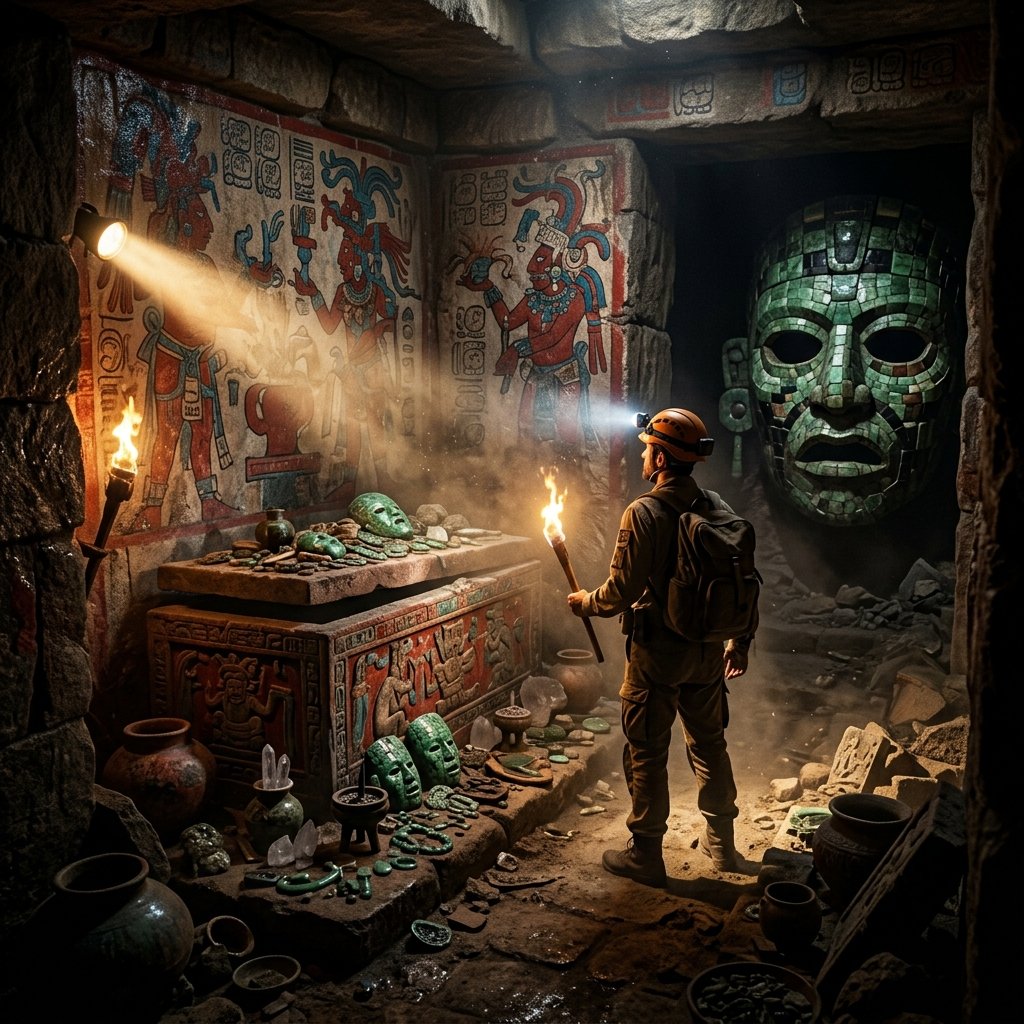
What We Still Don't Know
For all that scholars have discovered about the Maya, profound mysteries remain. Some are historical — why did great cities fall? Some are archaeological — what secrets lie in unexcavated sites? And some touch the boundaries between science and wonder.
The Great Mysteries
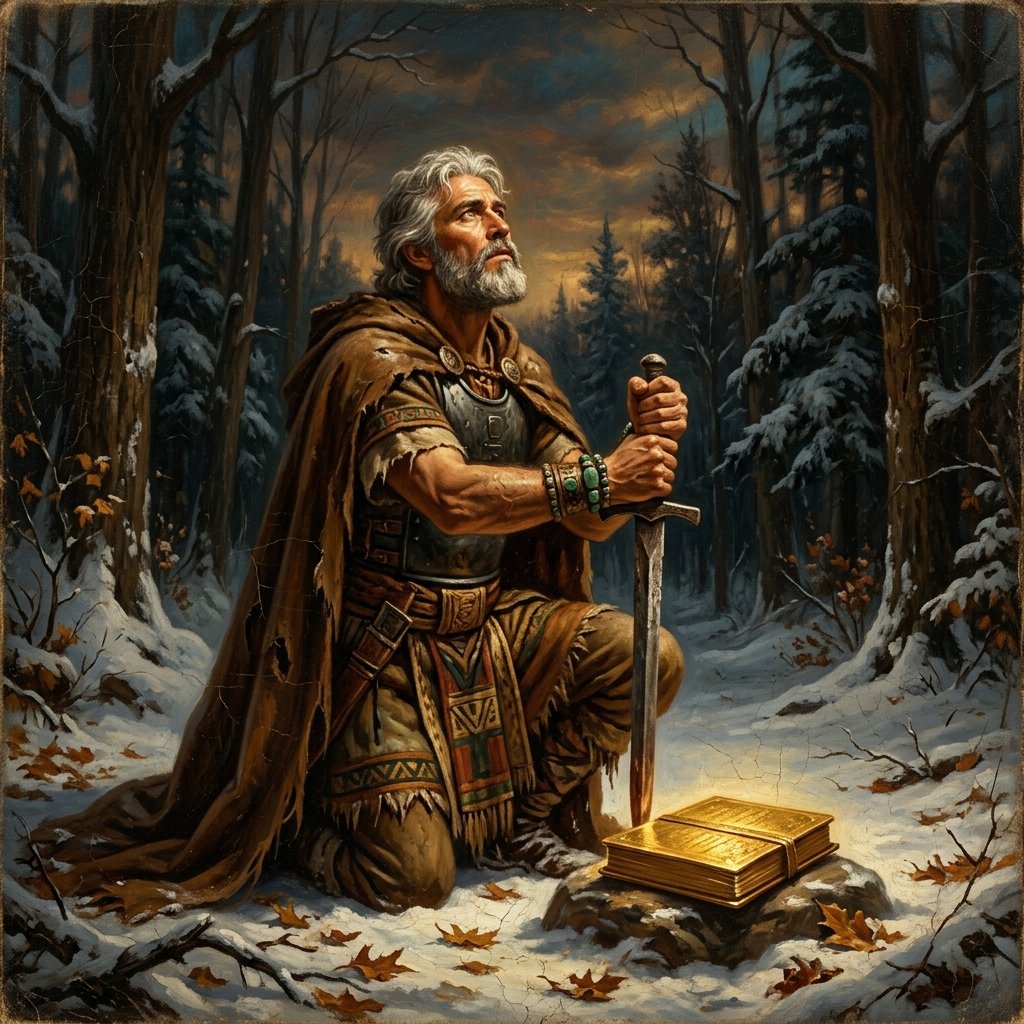
Did the Book of Mormon Take Place in Mesoamerica?
For nearly two centuries, scholars and believers have debated whether civilizations described in the Book of Mormon correspond to real Mesoamerican cultures. With over 400 documented cross-cultural parallels, the evidence is more complex than either side admits.
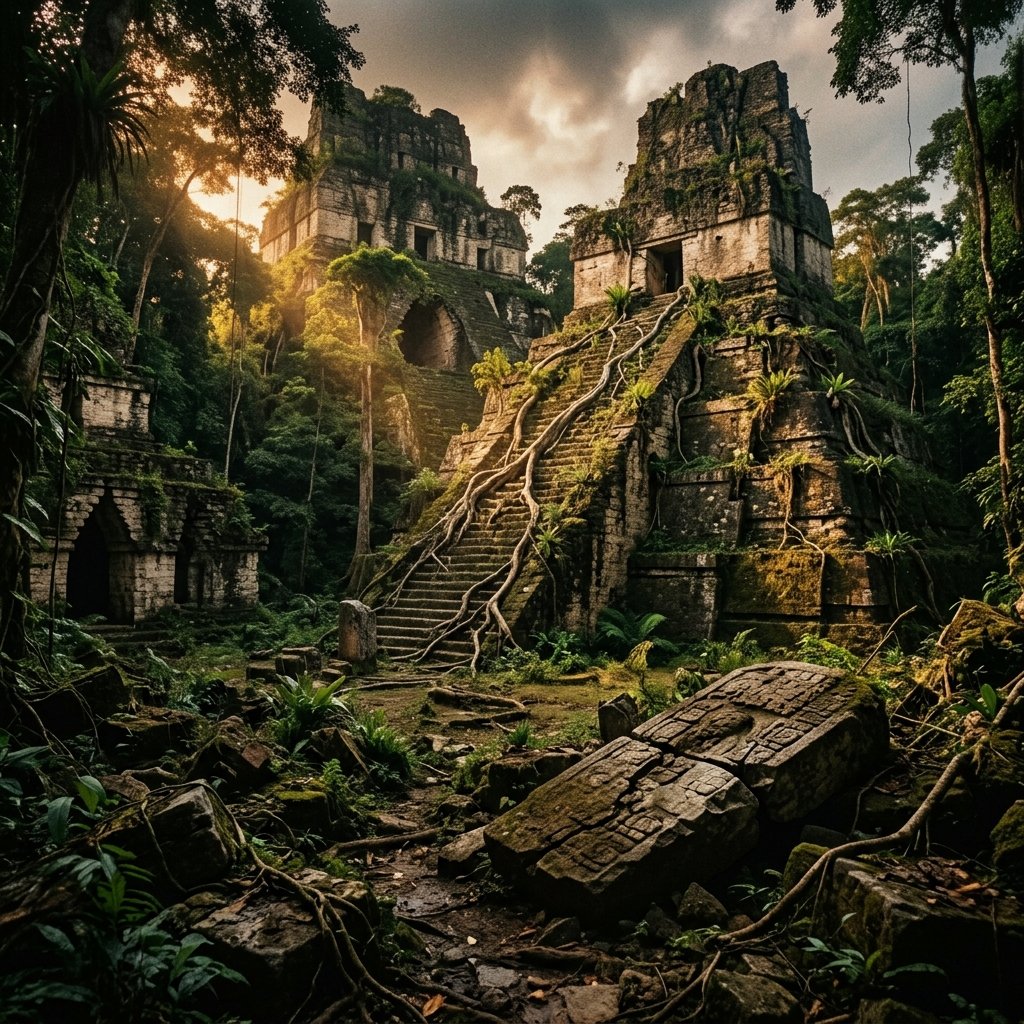
The Classic Maya Collapse
Between 800–1000 AD, dozens of thriving Maya cities were abandoned. Populations of millions vanished. Was it drought? War? Disease? Ecological collapse? The specifics remain fiercely debated.
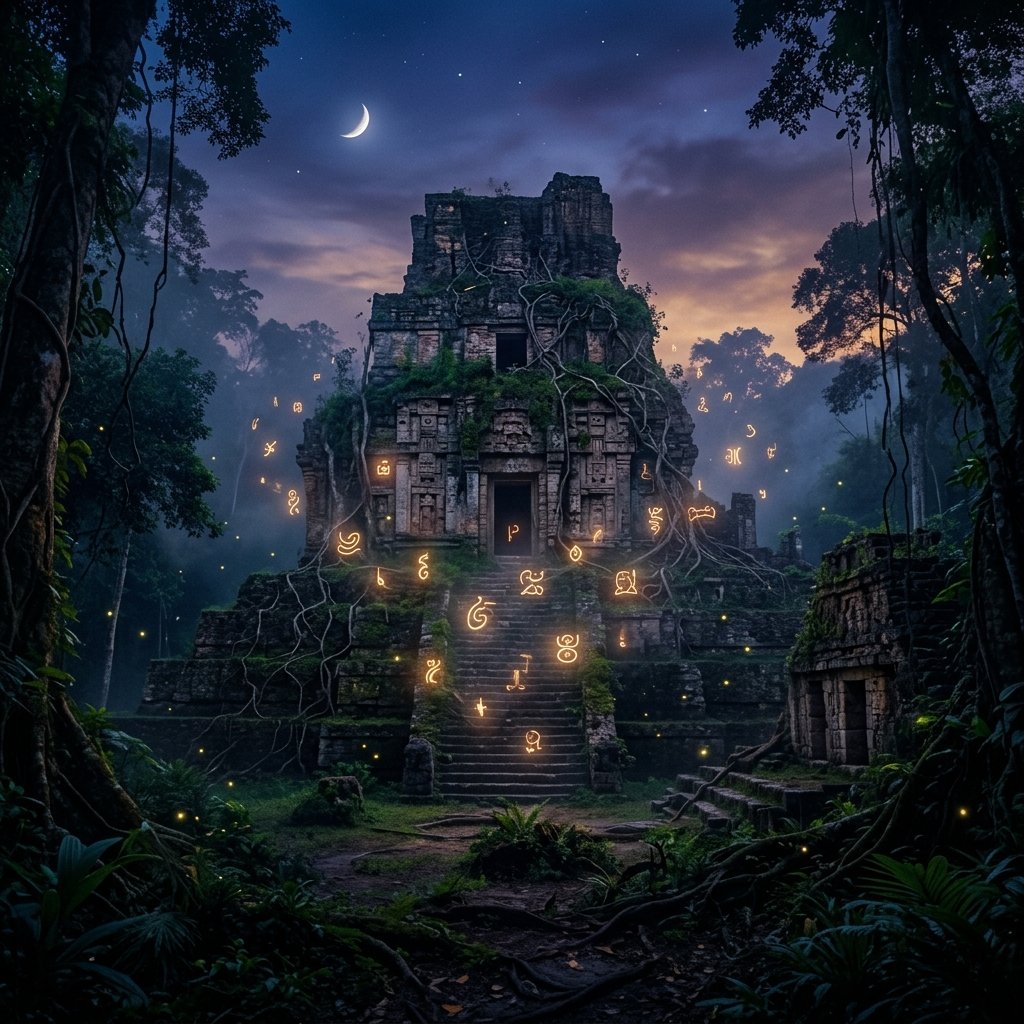
What Still Can't Be Explained About the Maya
After 150 years of modern archaeology, there are aspects of Maya civilization that remain genuinely, stubbornly, beautifully unexplained. Here are the open questions that keep archaeologists awake.
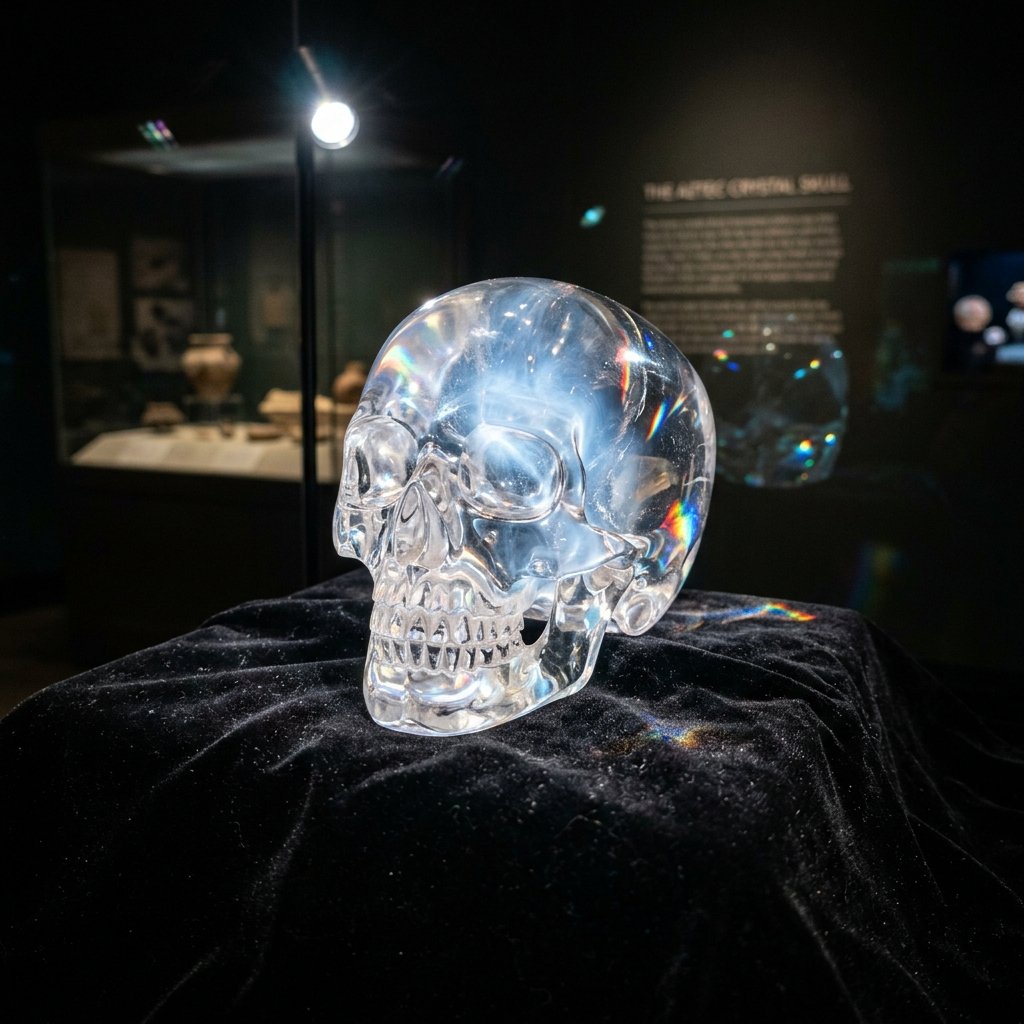
The Crystal Skulls
Several crystal skulls attributed to the Maya have surfaced over the past century. Were they ancient artifacts or modern forgeries? Scientific analysis has debunked most, but why these objects continue to captivate remains its own mystery.

Cenotes: Sacred Portals to the Underworld
Natural limestone sinkholes served as the Maya's primary water source, their connection to the underworld of Xibalba, and their most sacred sites for ritual offering. Geology, archaeology, and mythology converge at these extraordinary features.
Origins & Rise of the Maya
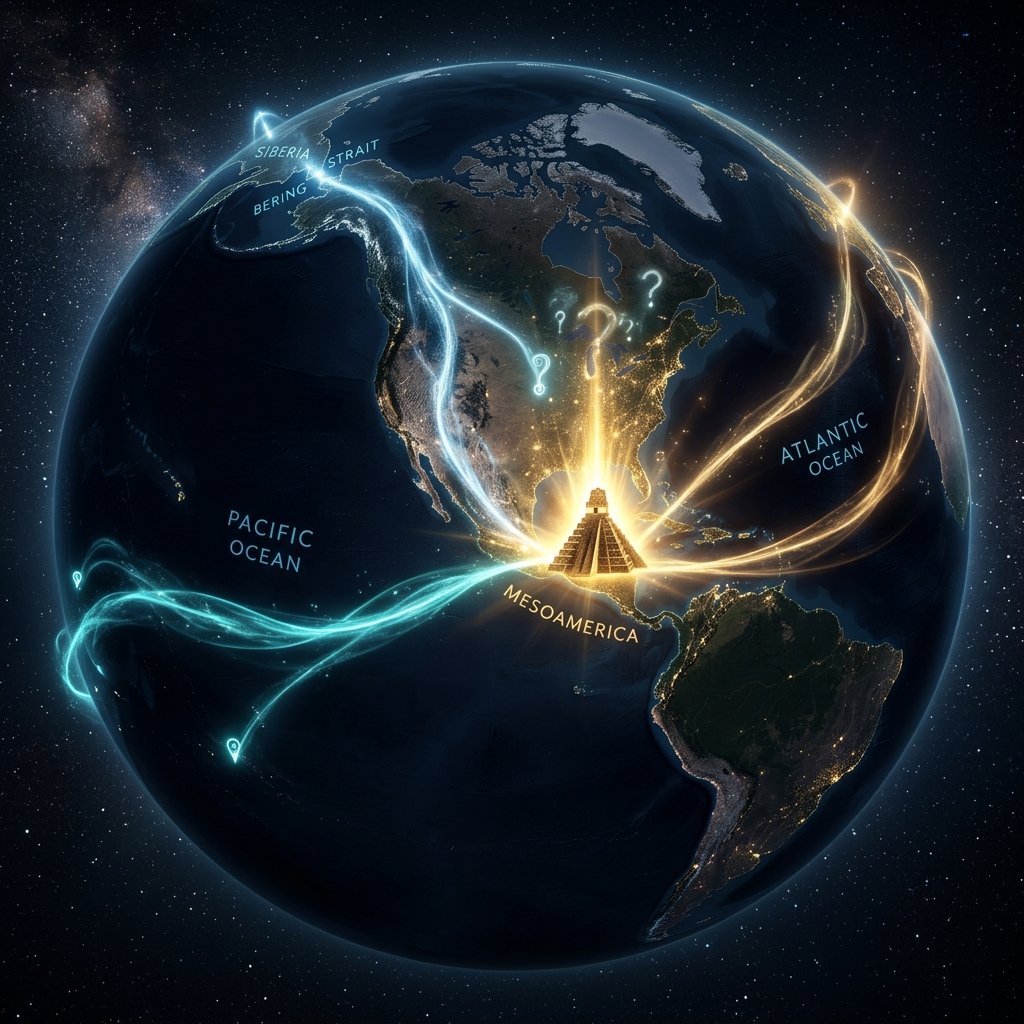
Where Did the Maya Come From?
The standard answer is Siberia, via the Bering land bridge. But that doesn't explain why the Maya became the Maya — zero, eclipse prediction, hieroglyphic writing, cities of millions. Where did this specific constellation of genius come from?
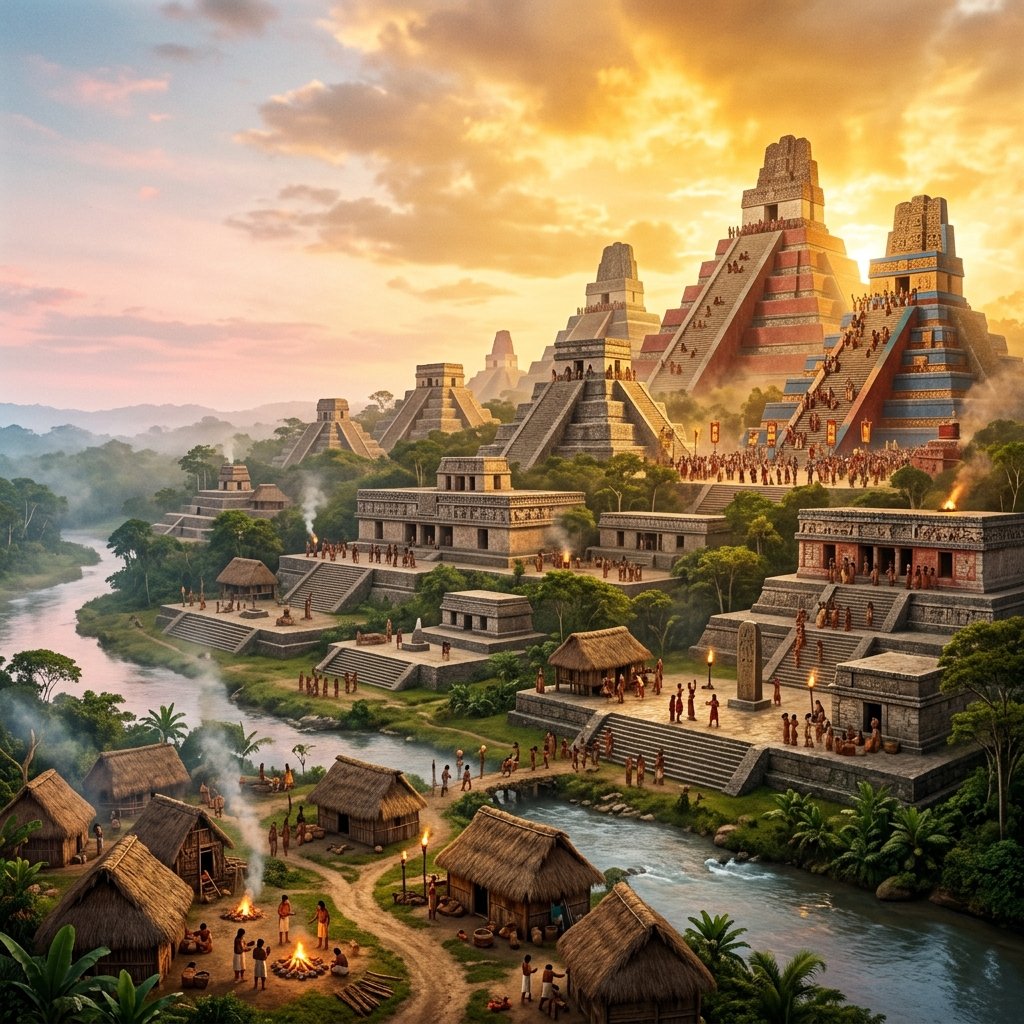
The Rise of the Maya: What Sparked Their Sudden Advancement?
From farming maize in thatched-roof villages to building pyramids taller than Buckingham Palace and calculating the lunar month to within 23 seconds. What happened?

Did Advanced Knowledge Appear Suddenly in Mesoamerica?
Writing. Zero. Eclipse prediction. Monumental architecture. A 365-day calendar more accurate than Europe's Julian calendar. All appeared within a remarkably compressed window. Was it gradual evolution — or something faster?
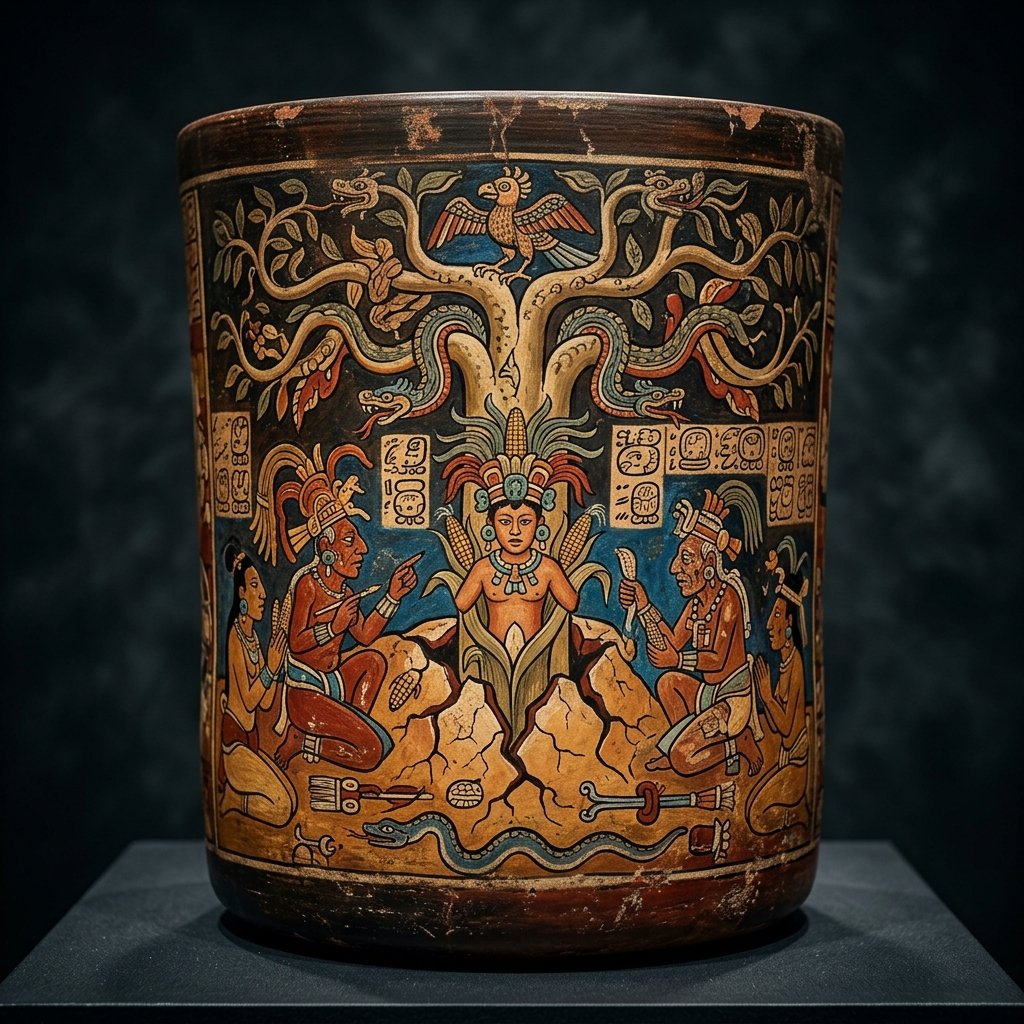
The Maya Creation Myth: How the Gods Made Humanity from Maize
The complete creation story from the Popol Vuh — how the gods attempted three times to create humanity. From the mud people and the wooden people to the final, successful creation from maize.
Archaeological Frontiers
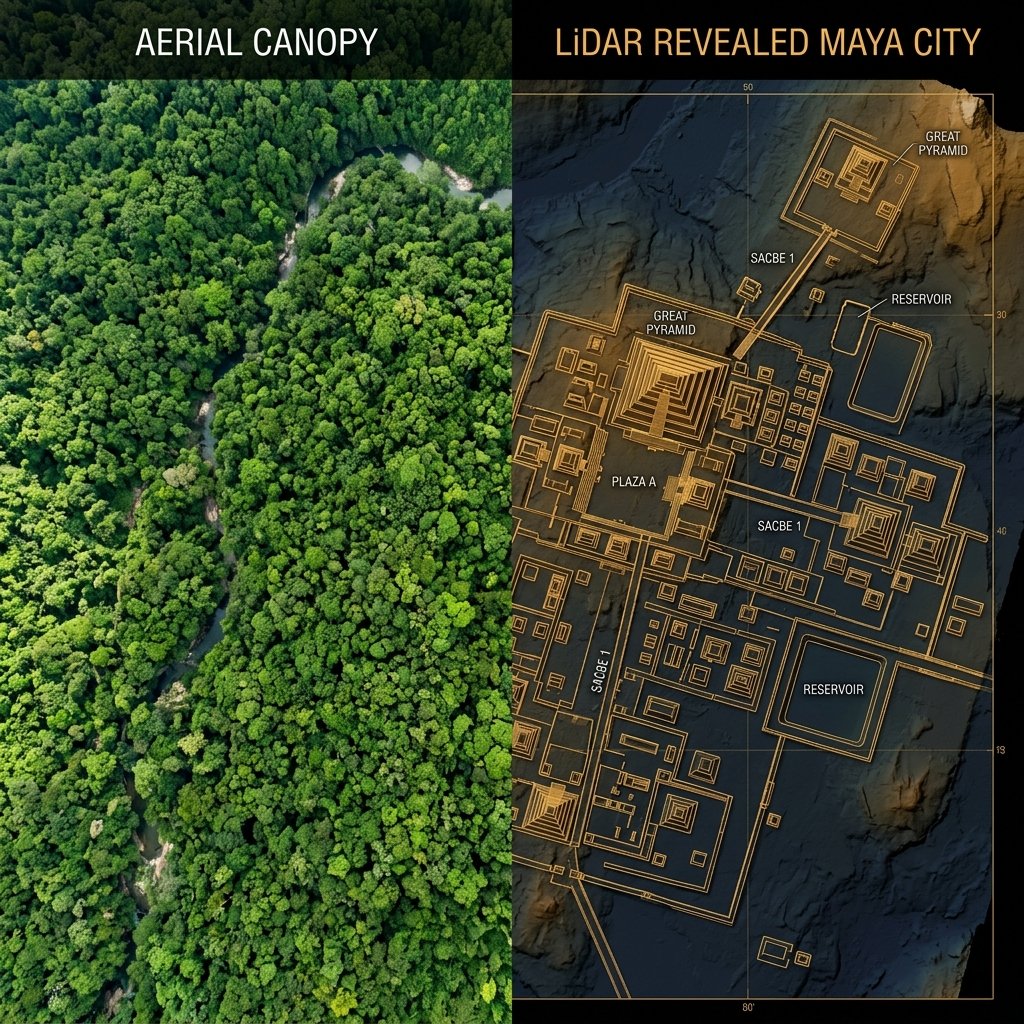
What LiDAR Reveals About Ancient American Societies
LiDAR technology has revealed that the Maya rainforest conceals far more structures than imagined — potentially millions of buildings. How many cities remain undiscovered? Archaeologists estimate we've excavated less than 5% of known sites.
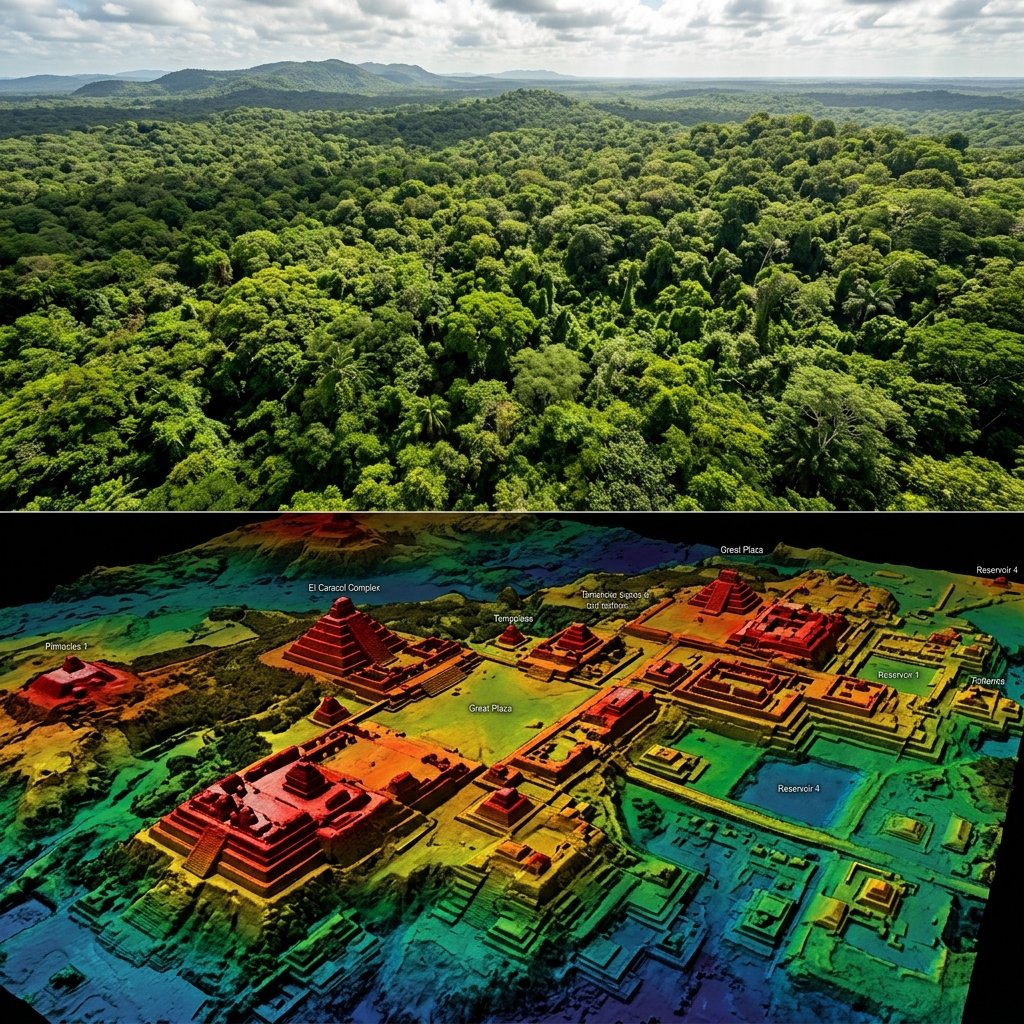
LiDAR & the Hidden Maya Megalopolis
In 2018, a single LiDAR survey over Guatemala's Petén jungle revealed more than 61,000 previously unknown structures — fundamentally reshaping our understanding of the scale and complexity of ancient Maya civilization.
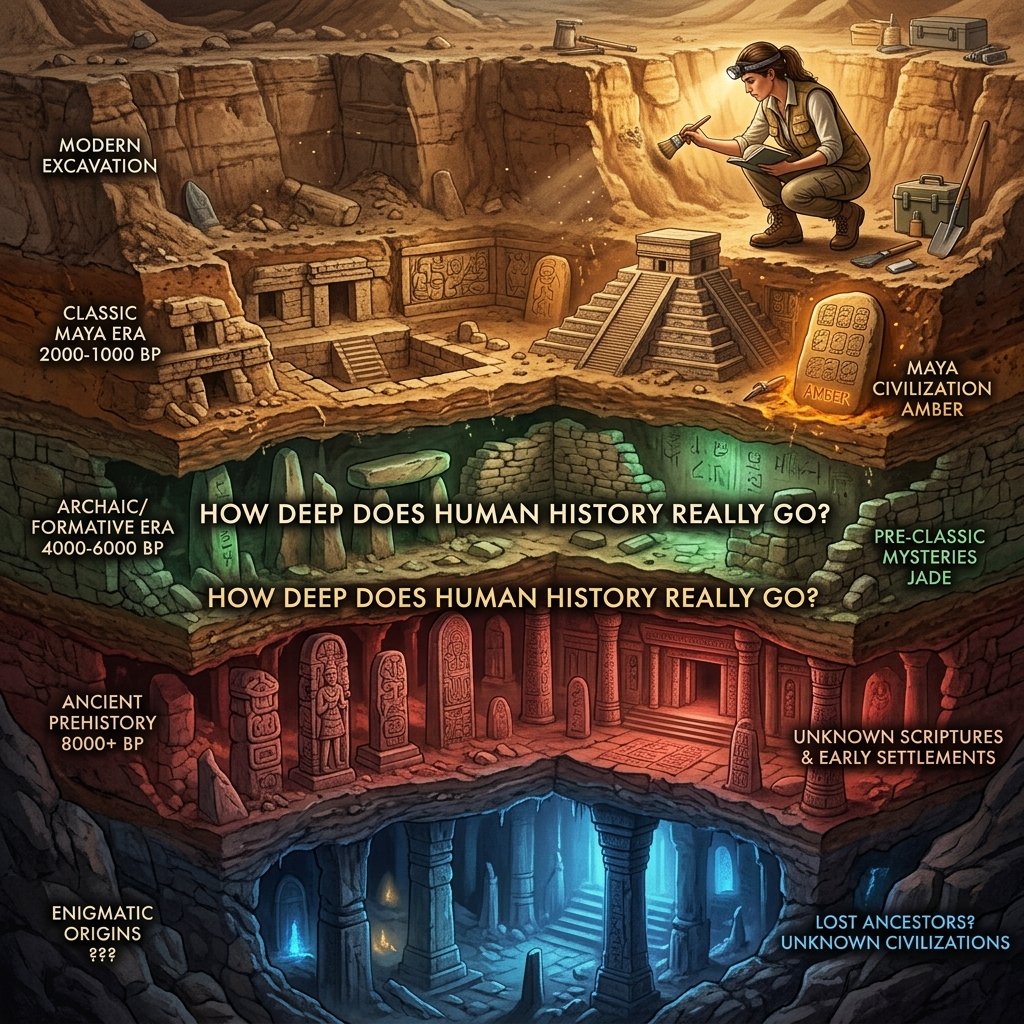
The Lost Civilizations Debate: Myth, Faith, or History?
Are there advanced civilizations missing from the historical record? The question sounds like pseudoscience — until you look at Göbekli Tepe, the Younger Dryas impact evidence, and the scale of what LiDAR has revealed.

The Lost Codices
The Maya produced thousands of books on bark paper. Spanish priests burned nearly all of them. Only four codices survive. Entire libraries of astronomy, history, medicine, and mythology — destroyed in a single act of colonial violence.
Prophecy & Cosmology
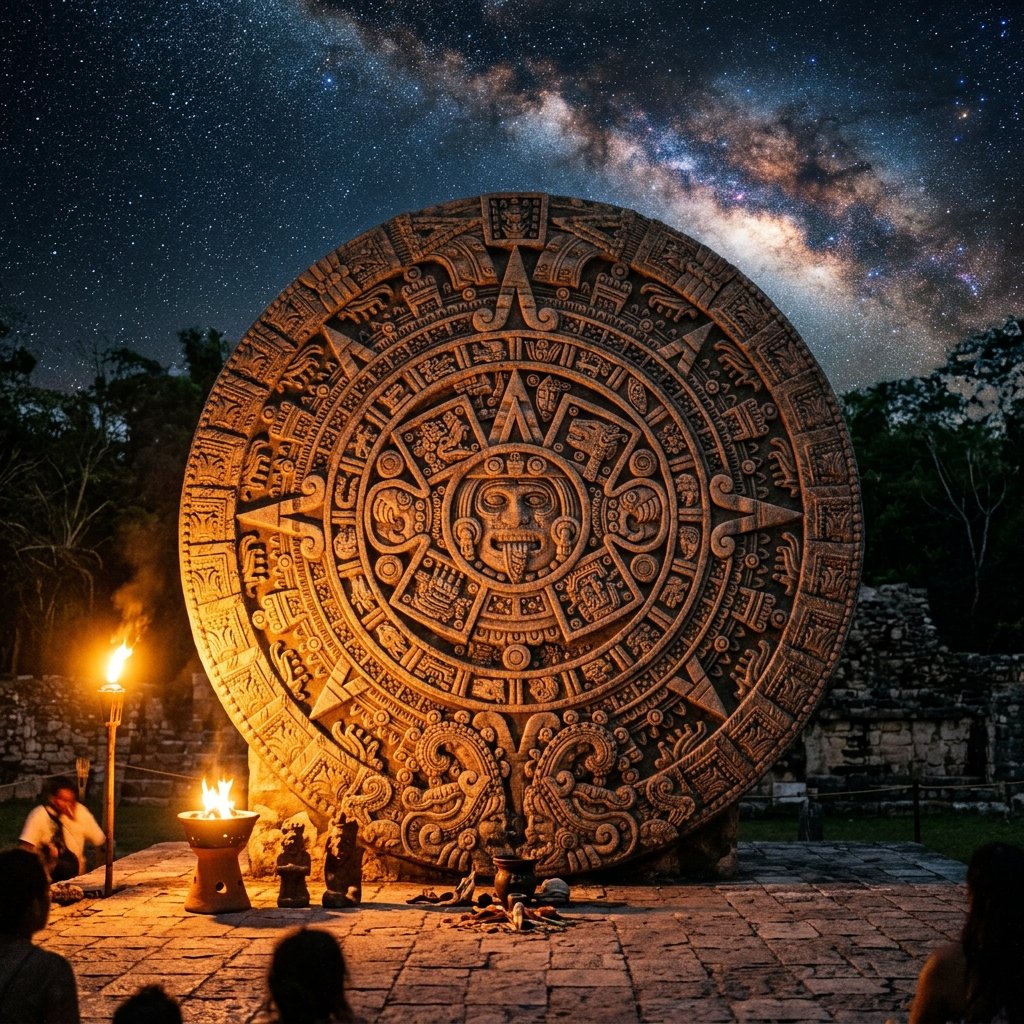
The 2012 Prophecy
December 21, 2012 marked the end of the 13th Baktun — a 5,125-year cycle. No ancient Maya text predicts apocalypse. But what did the Maya believe about this date? The answer is more nuanced than the doomsday narrative.
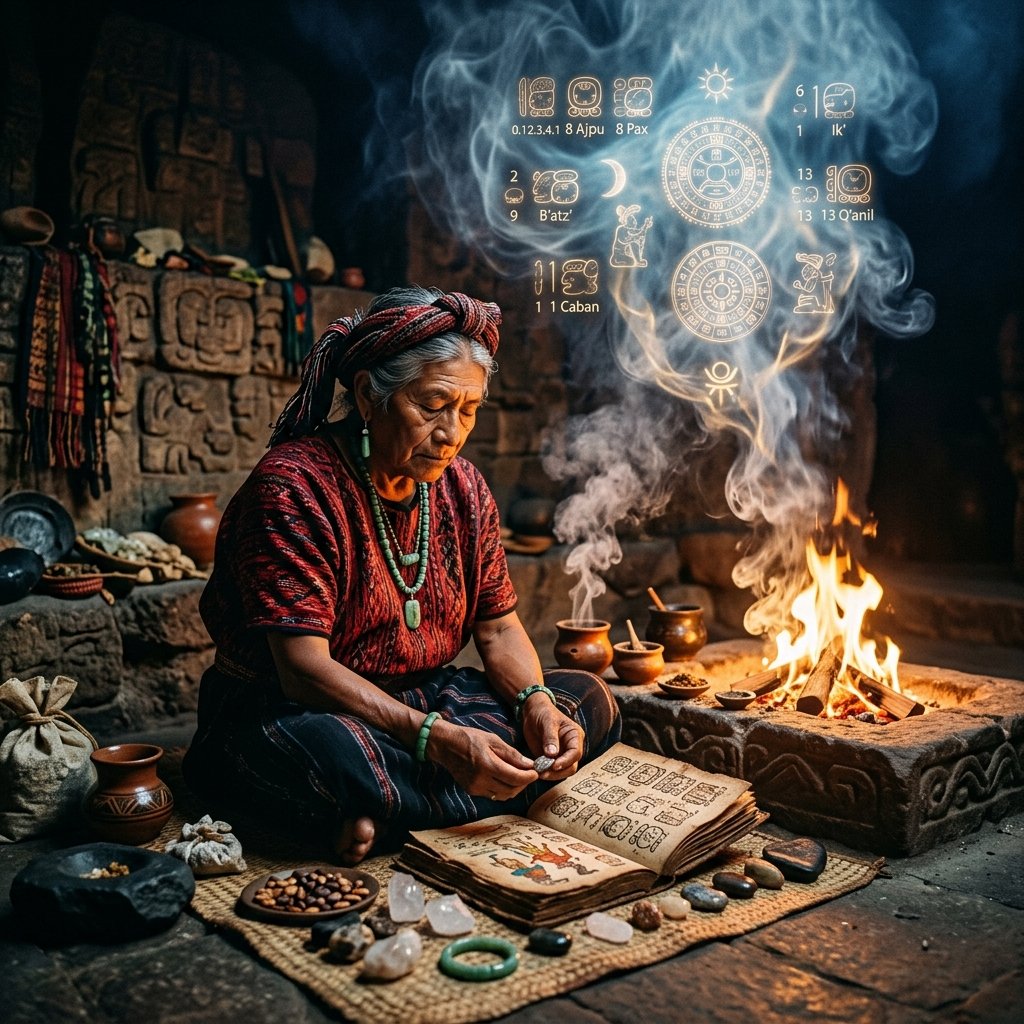
Maya Prophecy Explained
Maya prophecy wasn't mystical hand-waving — it was a rigorous, mathematically structured system combining astronomical observation, historical pattern-recognition, and calendrical divination into something that guided an empire for two thousand years.
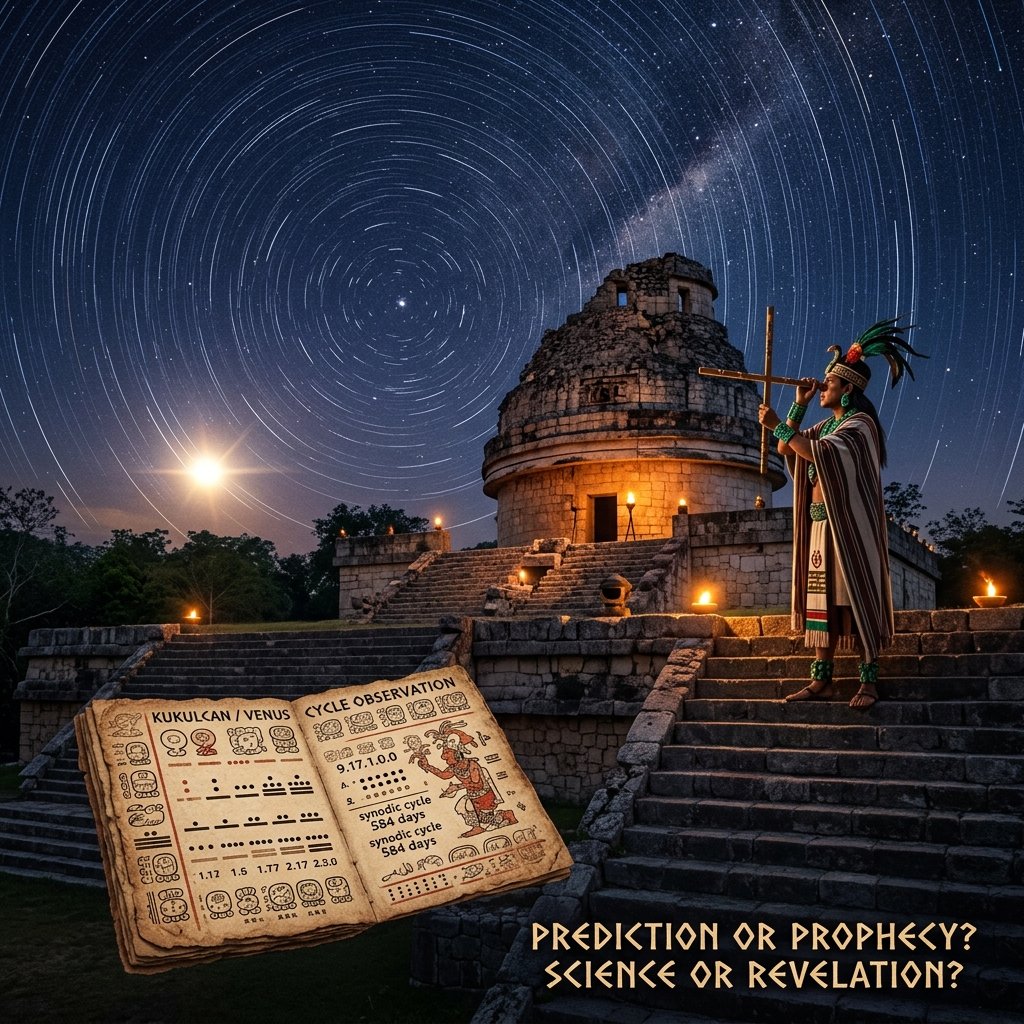
Did the Maya Predict the Future?
They predicted eclipses to within 33 minutes. They tracked Venus to within 2 hours over five centuries. They forecasted political events with eerie accuracy. Were they psychic? No. They were something more impressive: systematic.
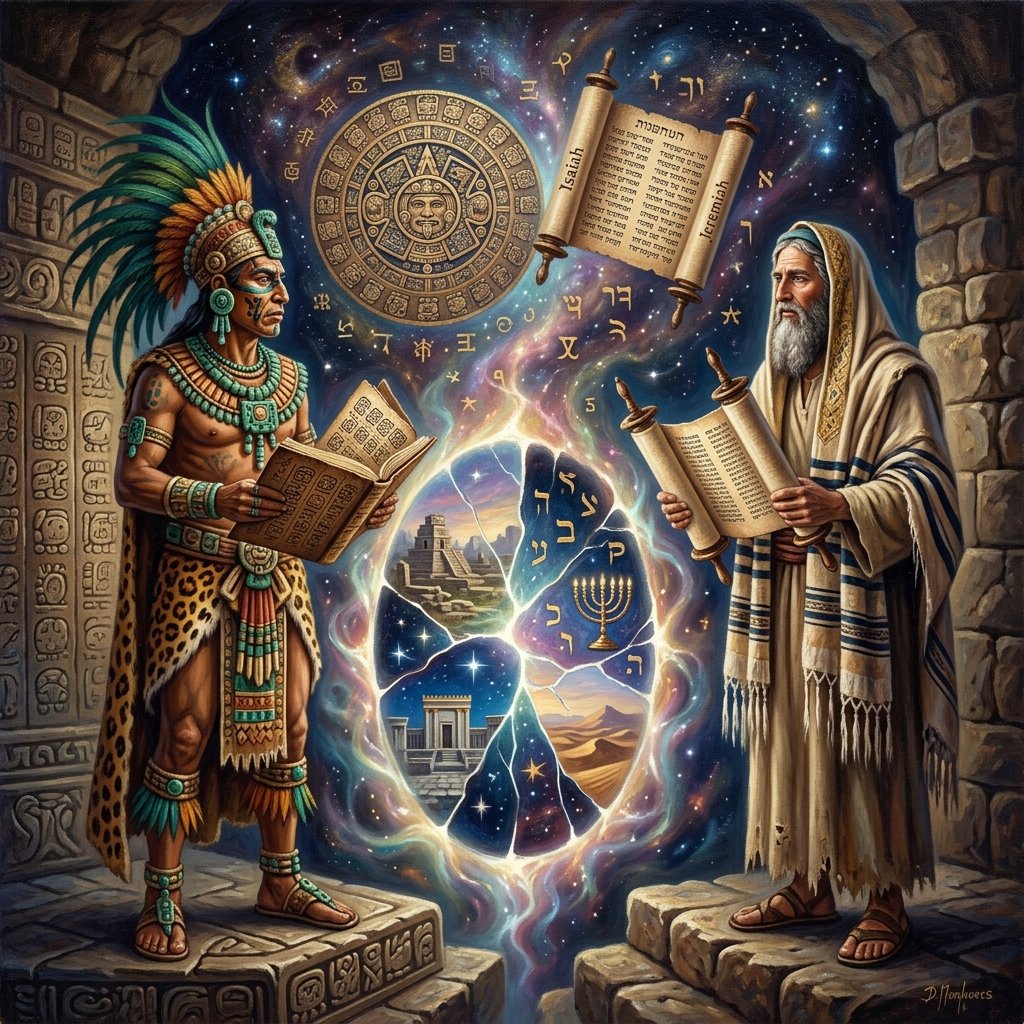
Maya Prophecy vs Biblical Prophecy: Are There Parallels?
Two civilizations. Two continents. No documented contact. Yet when you place Maya and Biblical prophetic traditions side by side, the echoes are remarkable — from cyclical world-ages to flood narratives to the role of the prophet in society.
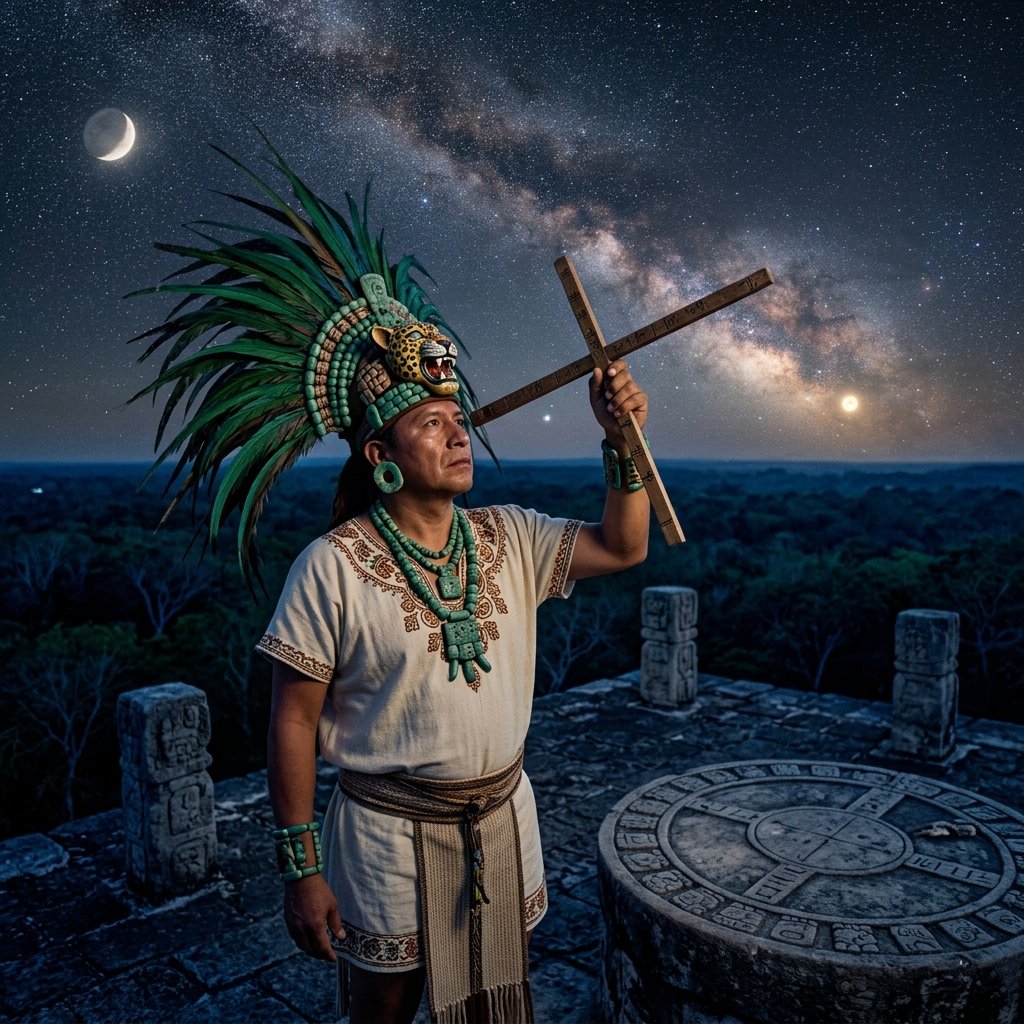
Astronomical Precision
The Maya calculated Venus's synodic period to 583.92 days — the modern measurement is 583.93. How did a civilization without telescopes achieve this? Their tables in the Dresden Codex remain one of humanity's greatest intellectual achievements.
Cross-Cultural Connections
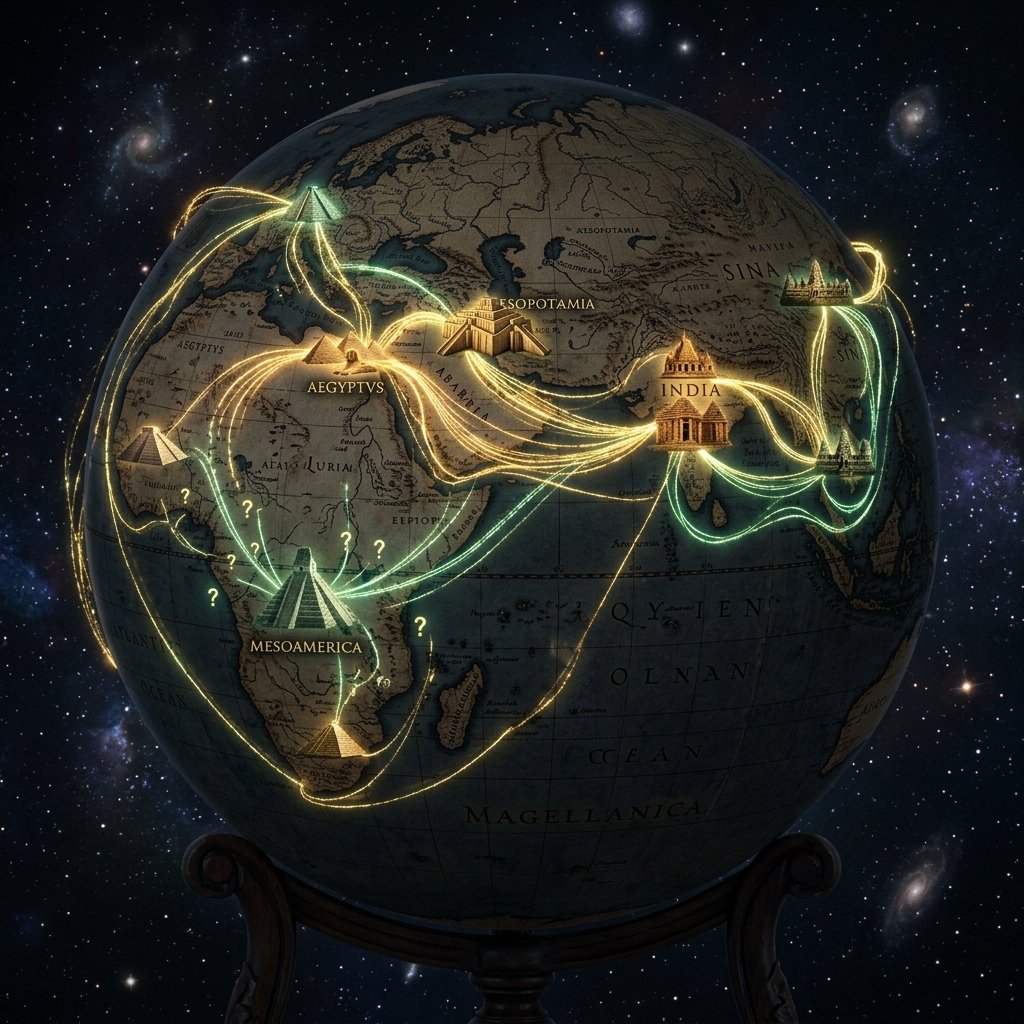
Did Ancient Civilizations Share Knowledge Across Continents?
Sweet potatoes crossed the Pacific before Columbus. Cotton DNA bridges the Old World and New. The biological evidence for pre-Columbian contact is now irrefutable. The only question left is how much else traveled with the plants.
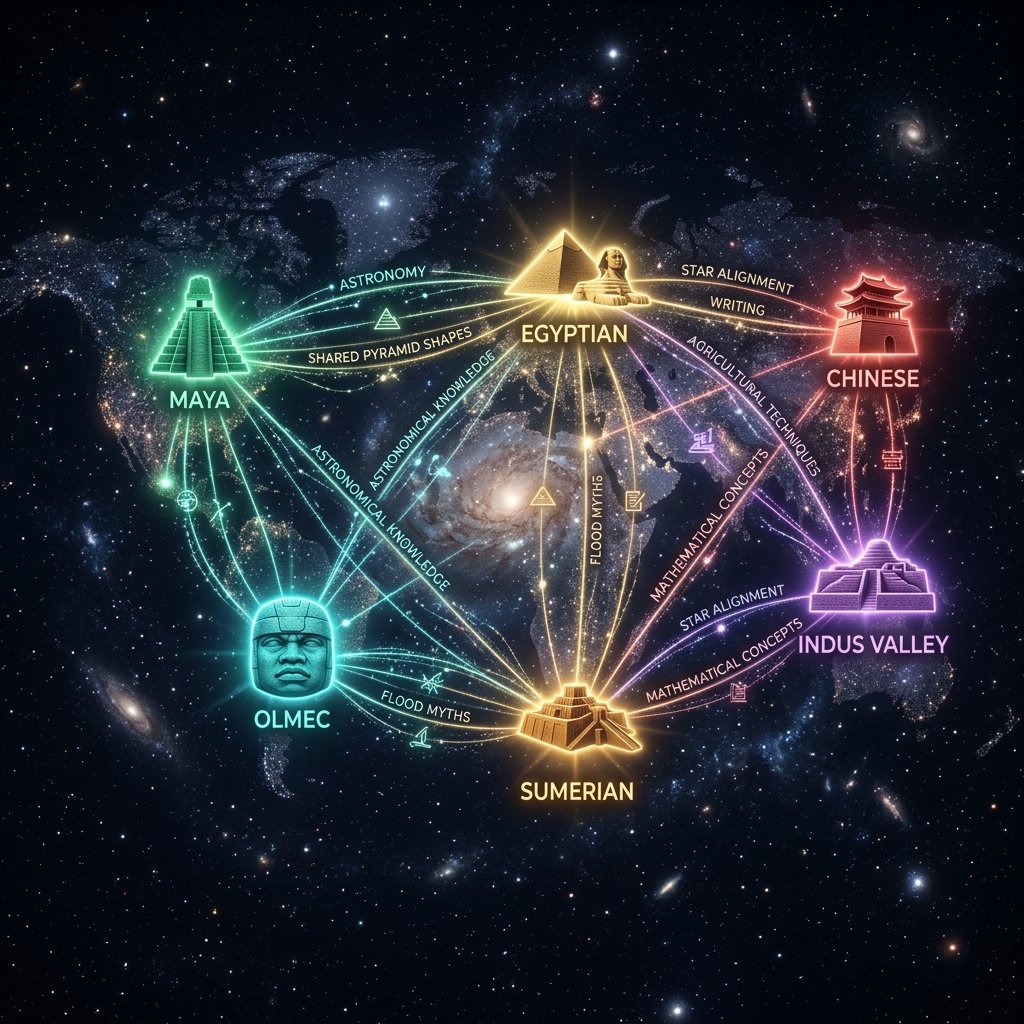
Are There Links Between Ancient Civilizations?
Pyramids in Egypt and Mexico. Flood stories in Mesopotamia and Mesoamerica. Zero invented independently in India and among the Maya. The same knowledge, the same motifs, the same architectural impulses — on different continents with no documented contact.
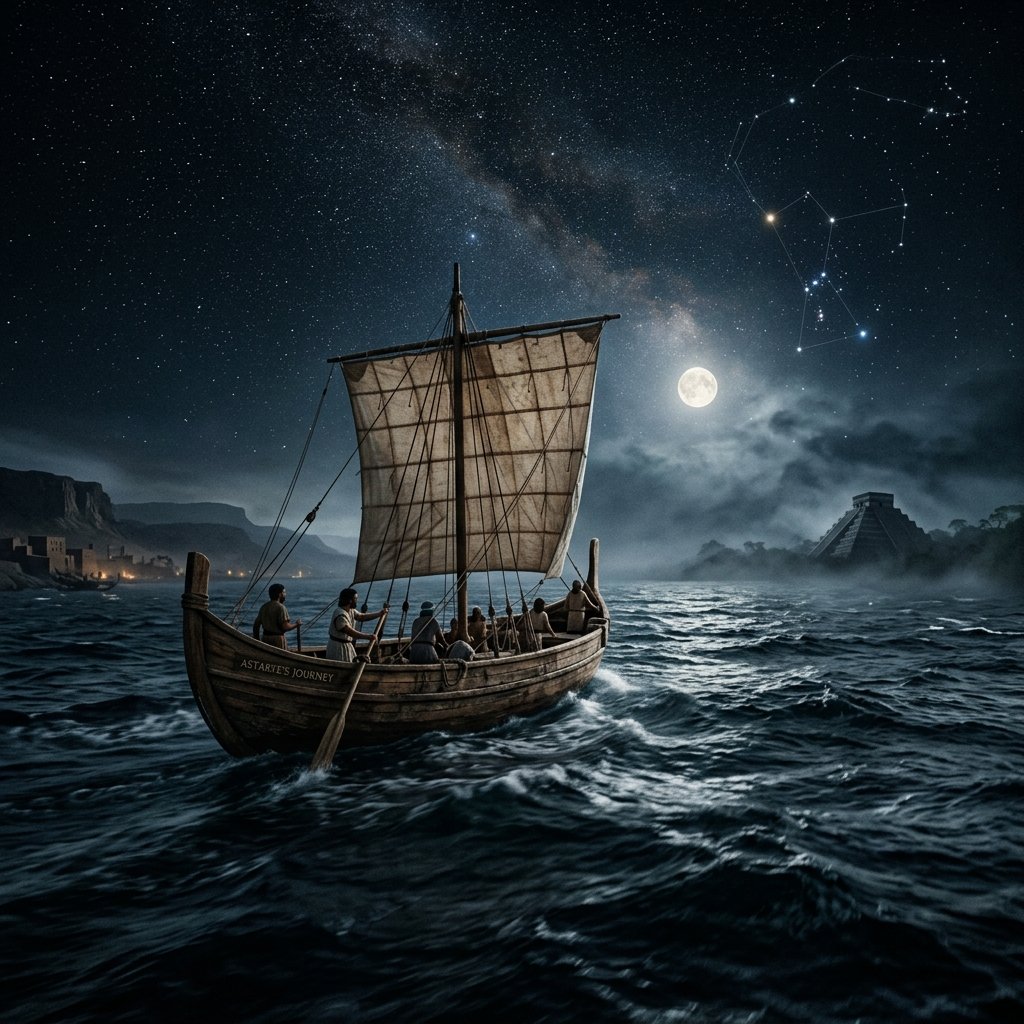
Why Some Believe Ancient Americans Came from Israel
The idea that ancient peoples from the Near East — possibly the Lost Tribes of Israel — reached the Americas before Columbus is one of the oldest and most persistent theories in New World historiography. The debate has a surprisingly complex history.
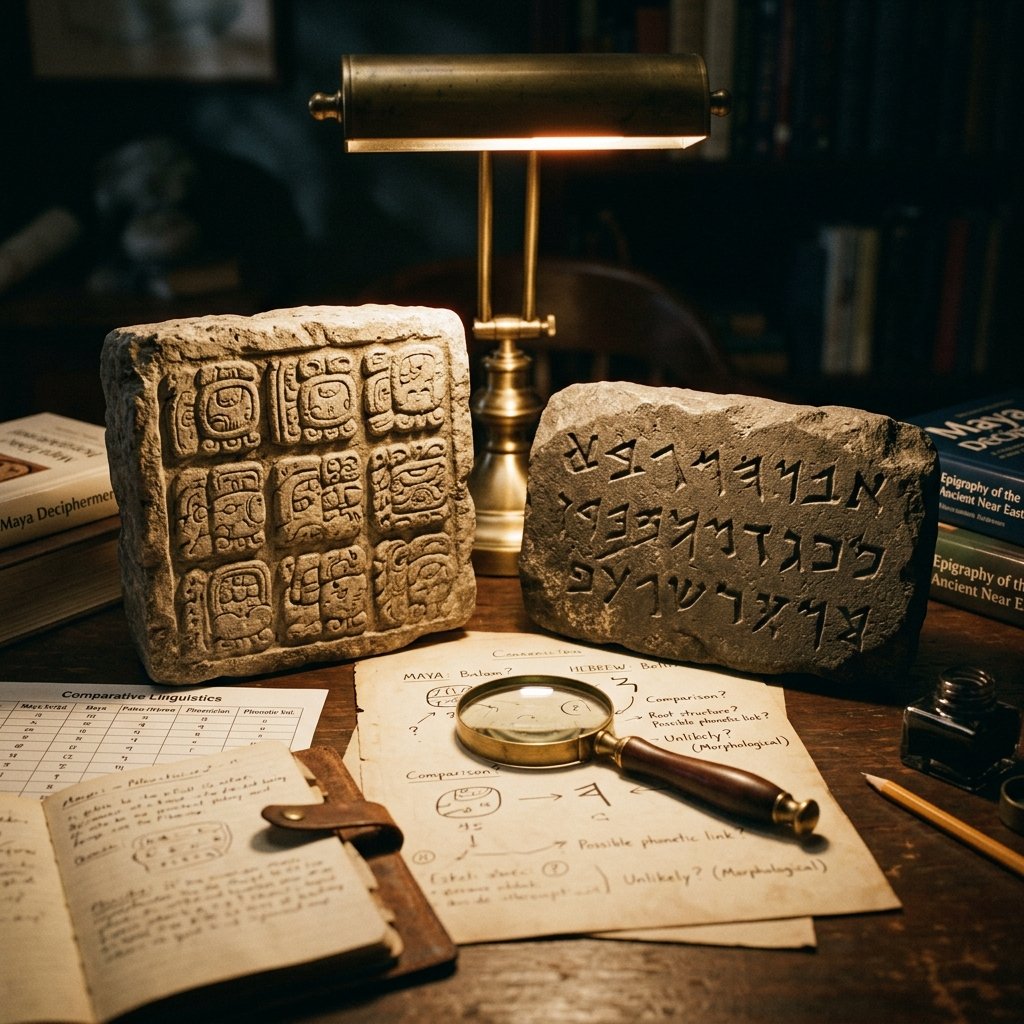
Are There Any Hebrew Influences in Maya Writing?
Some researchers claim to detect structural parallels with Near Eastern writing traditions — shared principles that go beyond visual resemblance. This article separates the credible observations from the noise.
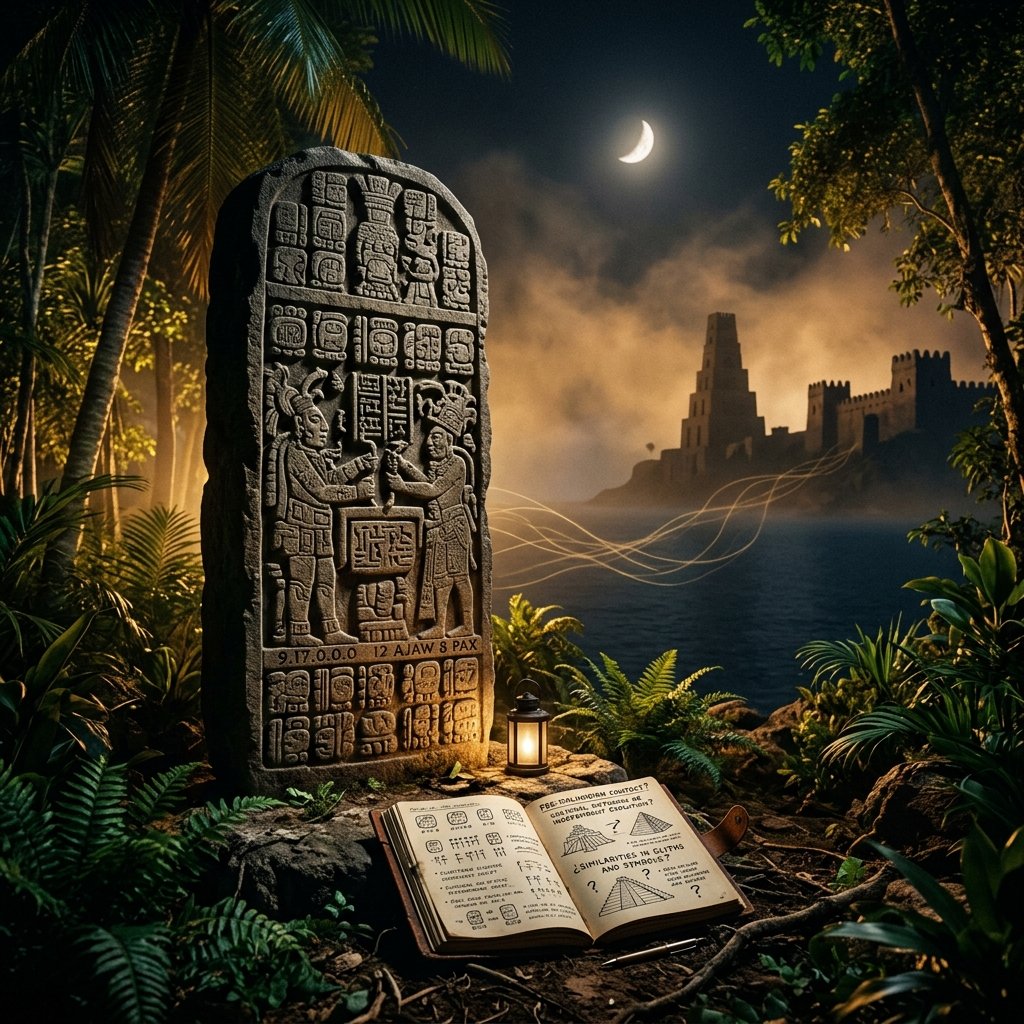
Could the Maya Be Linked to the Book of Mormon?
It's the question that fascinates millions and infuriates many scholars: could the ancient Maya civilization have any connection to the peoples described in the Book of Mormon? The honest answer is more interesting than a simple yes or no.
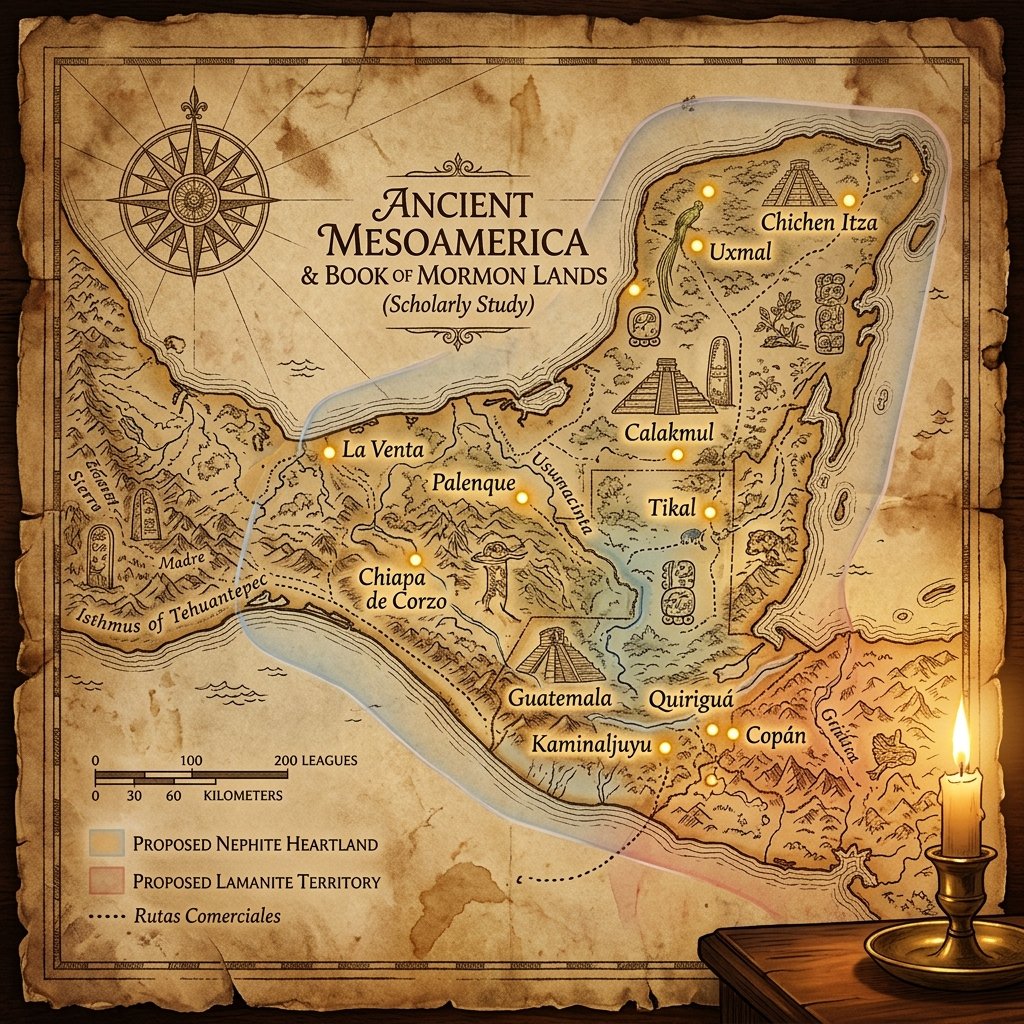
Where Do LDS Theories Place Ancient American Civilizations?
From the New York hill where the plates were found to the jungles of Guatemala, Latter-day Saint scholars have proposed radically different geographic models for Book of Mormon events. Three theories dominate — and only one has survived serious scrutiny.

What Archaeology Says vs Faith-Based Interpretations
When a scientist and a believer look at the same Maya pyramid, they see different things — stratigraphy vs. the hand of God. Can both be right? This article explores how these two epistemologies interact.
What Scholars Are Discovering Now
Maya archaeology is experiencing a golden age of discovery. LiDAR (Light Detection and Ranging) technology has revealed vast settlement networks hidden beneath the jungle canopy. New inscriptions are being deciphered, pushing back the timeline of Maya civilization and revising our understanding of its political complexity. DNA analysis is providing insights into migration patterns, diet, and health. And climate science is revealing how ancient droughts shaped the rise and fall of Maya kingdoms.
Frequently Asked Questions
Did the Maya really predict the end of the world?
No. The 2012 date marked the end of a major calendar cycle (the 13th Baktun), similar to an odometer rolling over. No ancient Maya text predicts apocalypse. The popular "end of the world" narrative was a modern invention that had no basis in Maya belief.
What happened to the Maya?
The Maya didn't "disappear." Today, over 6 million Maya people live in Mexico, Guatemala, Belize, and Honduras, carrying forward languages, traditions, and cultural practices that stretch back millennia. What ended was the Classic Period political system — the great city-states and their divine kingships.
Are there still undiscovered Maya cities?
Almost certainly yes. LiDAR surveys of the Maya lowlands have revealed thousands of previously unknown structures, roads, and agricultural features. Some archaeologists estimate that less than 5% of known Maya sites have been fully excavated.