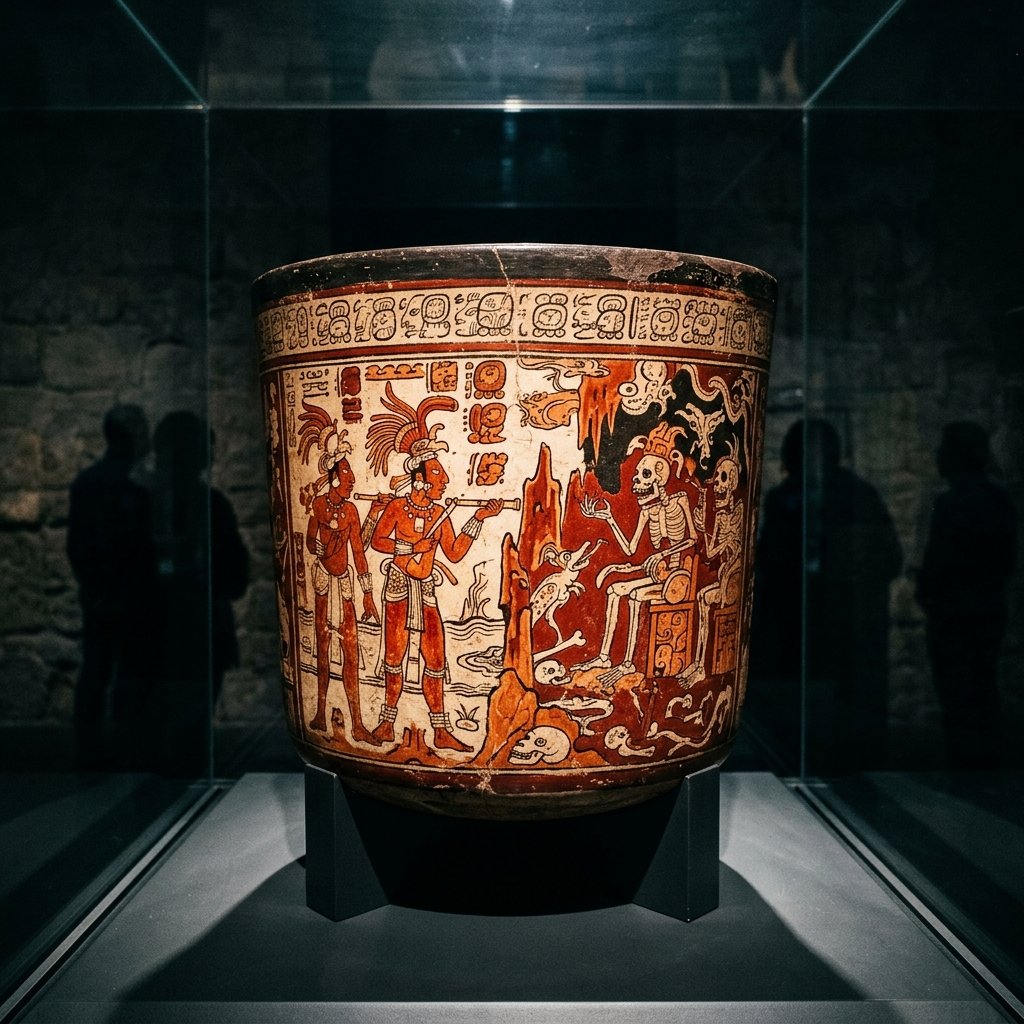
The Maya Storytelling Tradition
The Maya produced one of the richest mythological traditions in the ancient world. Their stories were recorded on painted ceramics, carved monuments, temple murals, and in bark-paper codices — most of which were destroyed during the Spanish conquest. The most complete surviving source is the Popol Vuh, a K'iche' Maya text transcribed in the 1550s from an older, now-lost original. Together with the Books of Chilam Balam, ethnographic studies, and archaeological evidence, these sources allow us to reconstruct a mythological tradition of extraordinary depth.
The Source Texts
Understanding Maya myths requires knowing where they come from. Unlike Greek mythology — which survives in dozens of literary sources — Maya mythology was almost entirely destroyed during the colonial period. What survives comes from a handful of key texts:
- The Popol Vuh — The K'iche' Maya "Book of Council," transcribed c. 1554–1558 in Latin script by K'iche' nobles who preserved their oral traditions. It is the most complete surviving account of Maya creation mythology and the adventures of the Hero Twins.
- The Books of Chilam Balam — A collection of Yucatec Maya texts recorded in various towns during the colonial period. They contain historical chronicles, prophecy cycles, astronomical data, and fragments of mythology.
- Classic-period ceramics and monuments — Pre-conquest sources. Painted pottery and carved stelae depict mythological scenes that corroborate and expand upon the colonial-era texts, proving these stories were told for over a thousand years before the Spanish arrived.
Featured Myths & Legends
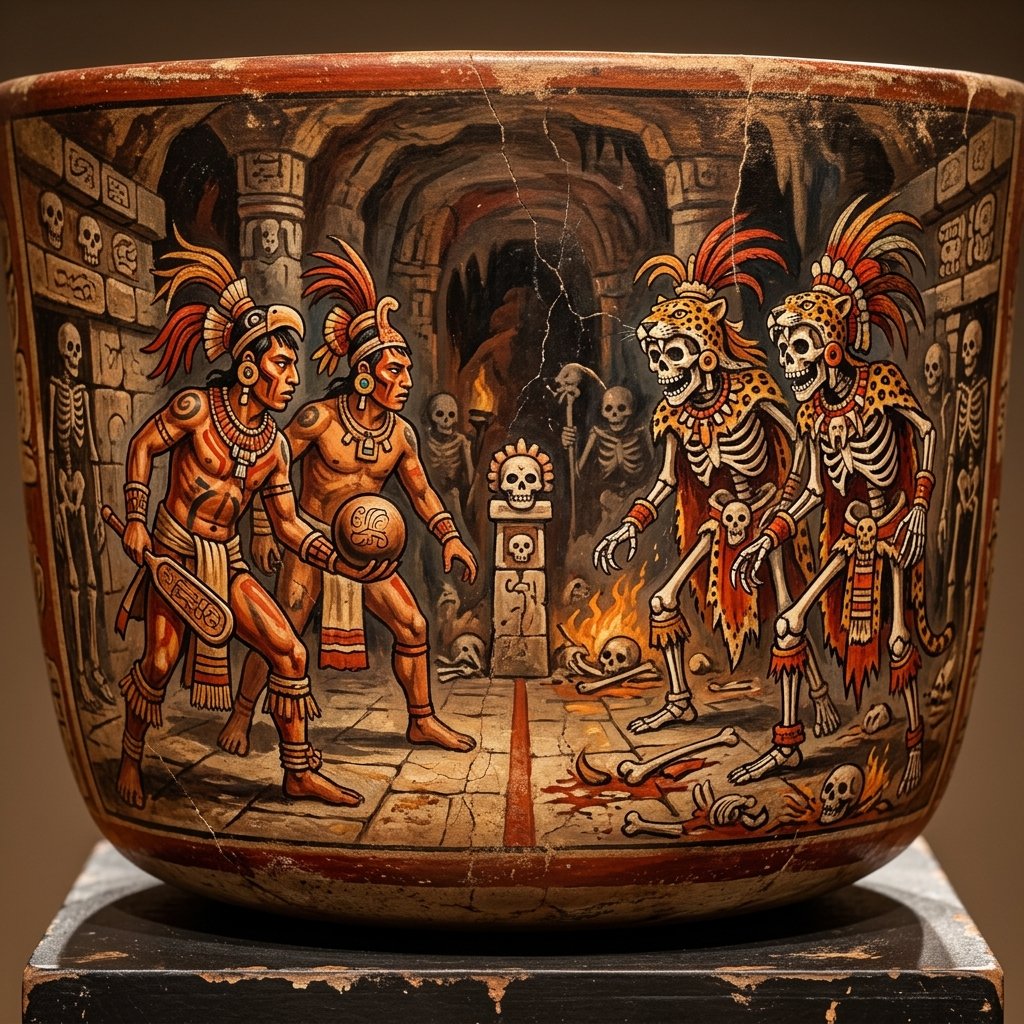
The Hero Twins & the Lords of Xibalba
The most famous Maya story. Two brothers descend into the underworld to avenge their father, outsmarting the Lords of Death through cunning and sacrifice — ultimately becoming the sun and moon.
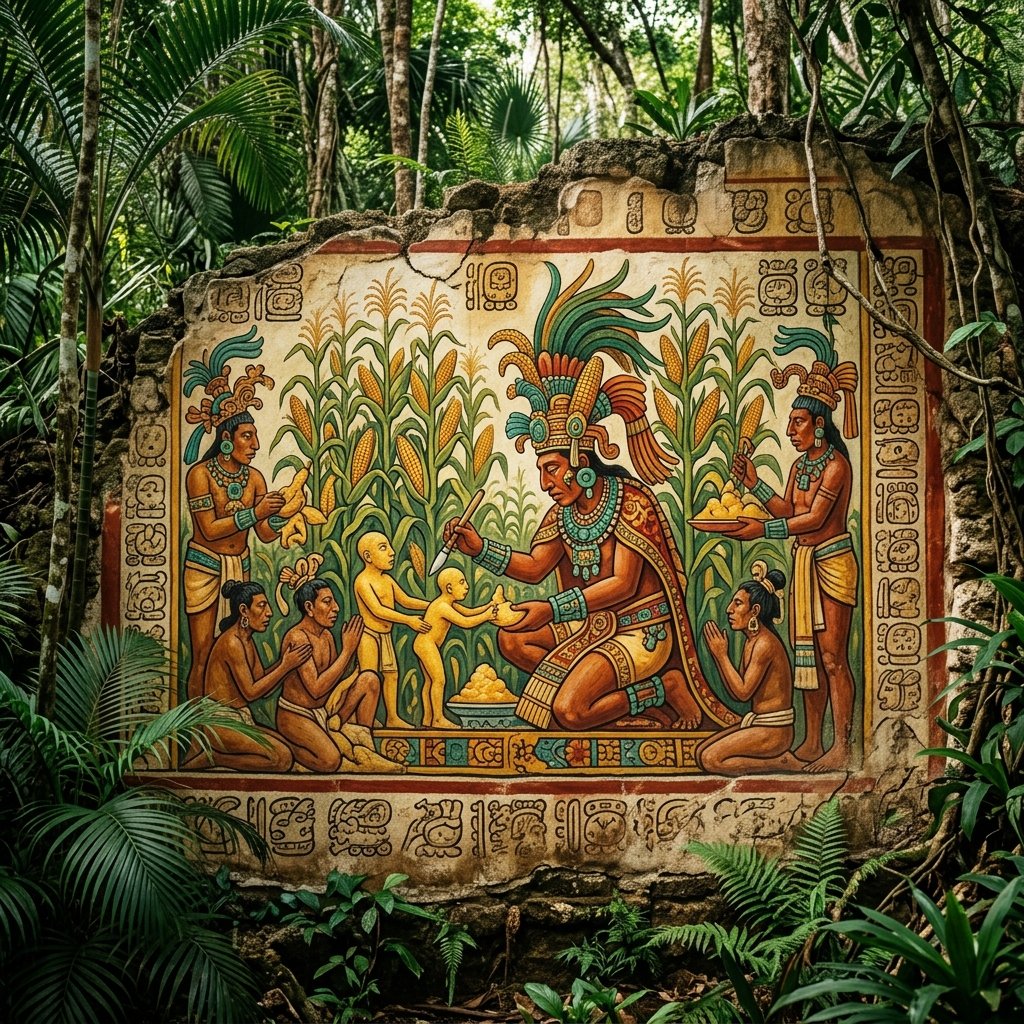
The Creation of Humanity from Maize
The gods tried three times to create beings who could worship them — from mud, then wood, then flesh. Only the fourth attempt, using white and yellow maize dough, produced true humanity.
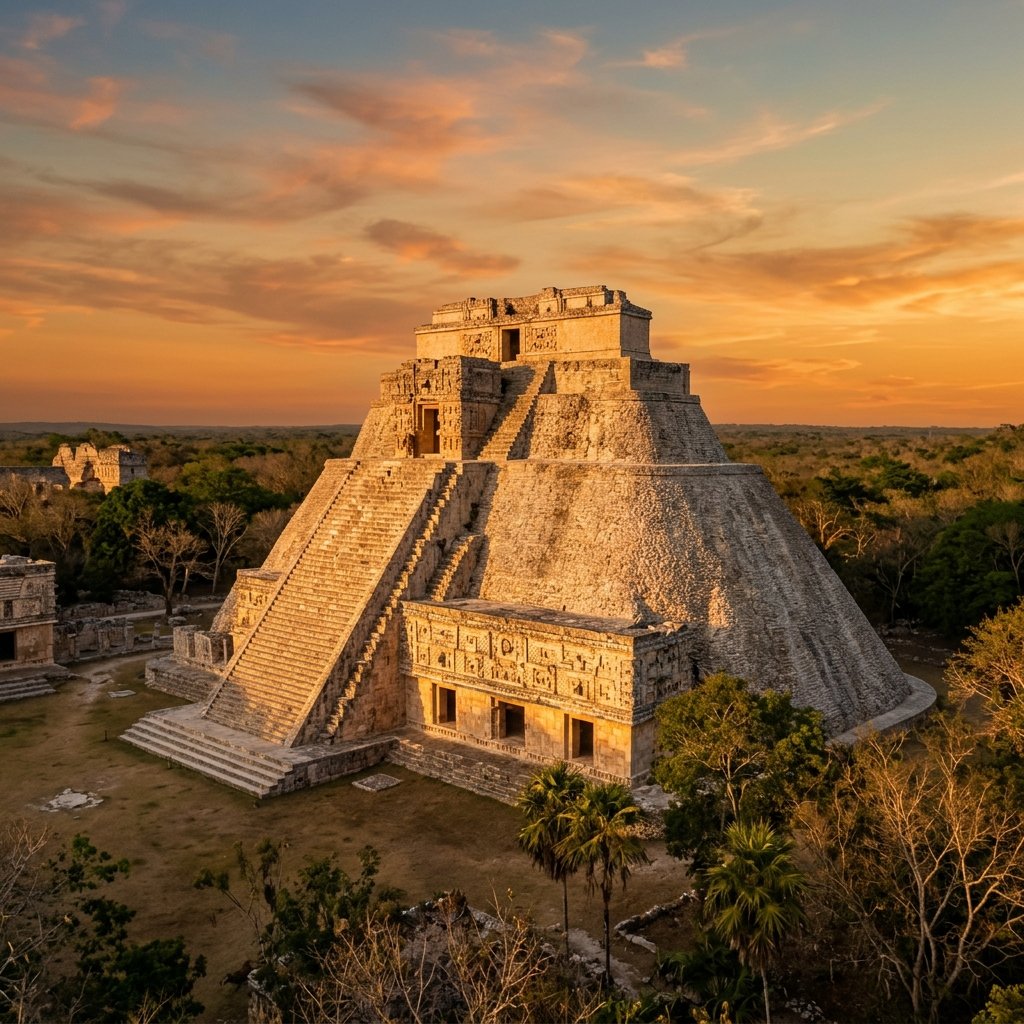
The Dwarf of Uxmal
A magical dwarf hatched from an egg challenges the king of Uxmal to a series of impossible tasks — including building a pyramid in a single night. The Pyramid of the Magician still stands today.
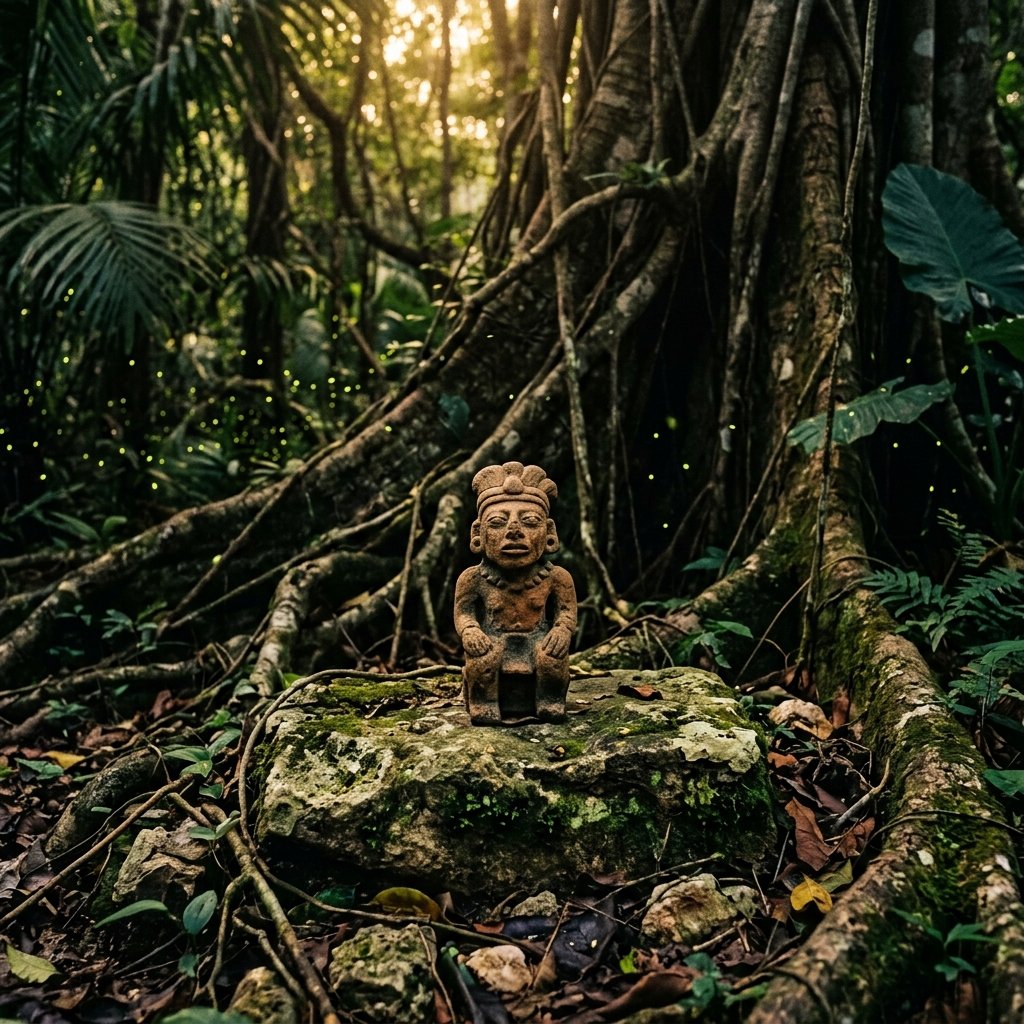
The Aluxes: Forest Spirits of the Maya
Tiny supernatural beings who guard milpas and cenotes. Tricksters who demand offerings — still actively believed in across rural Yucatán today.
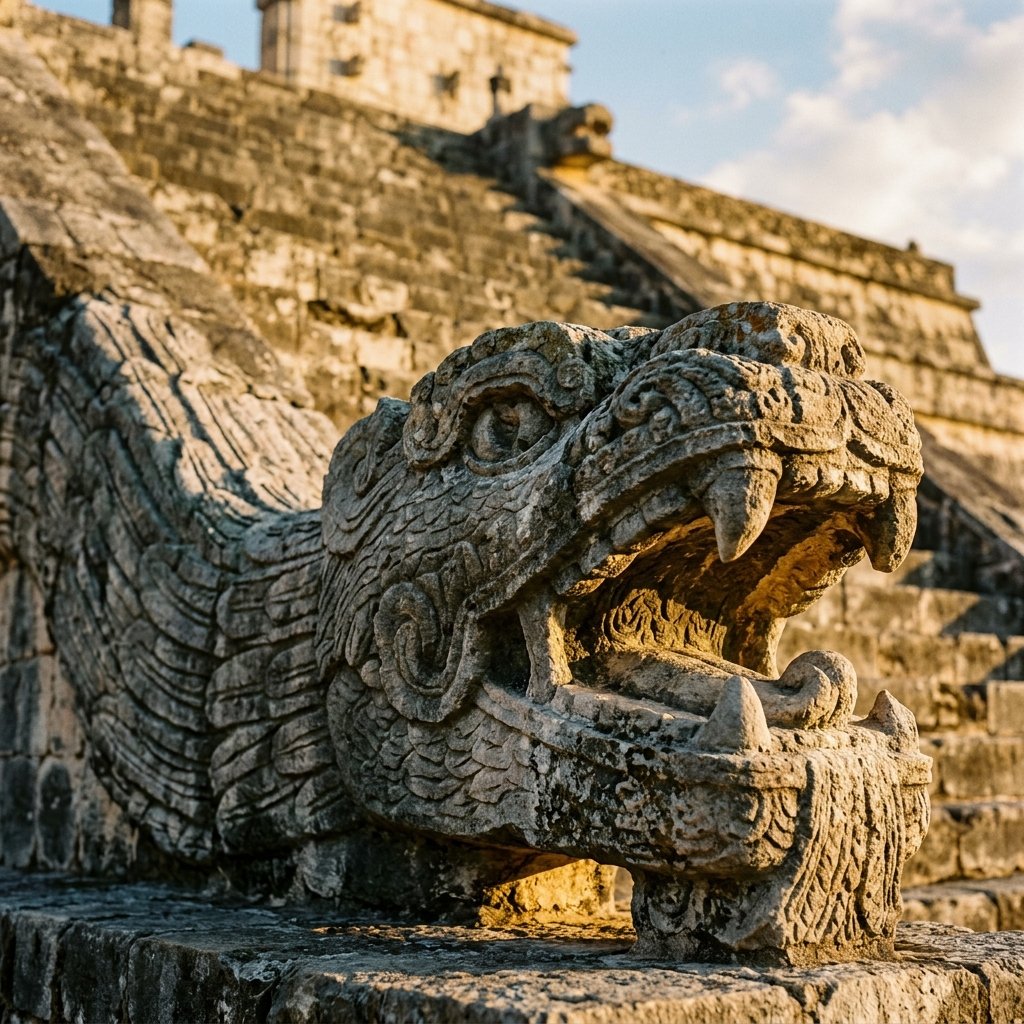
The Feathered Serpent's Gift of Knowledge
Kukulkan — the Feathered Serpent — brought writing, the calendar, and civilization to the Maya people. The equinox shadow still descends El Castillo today.
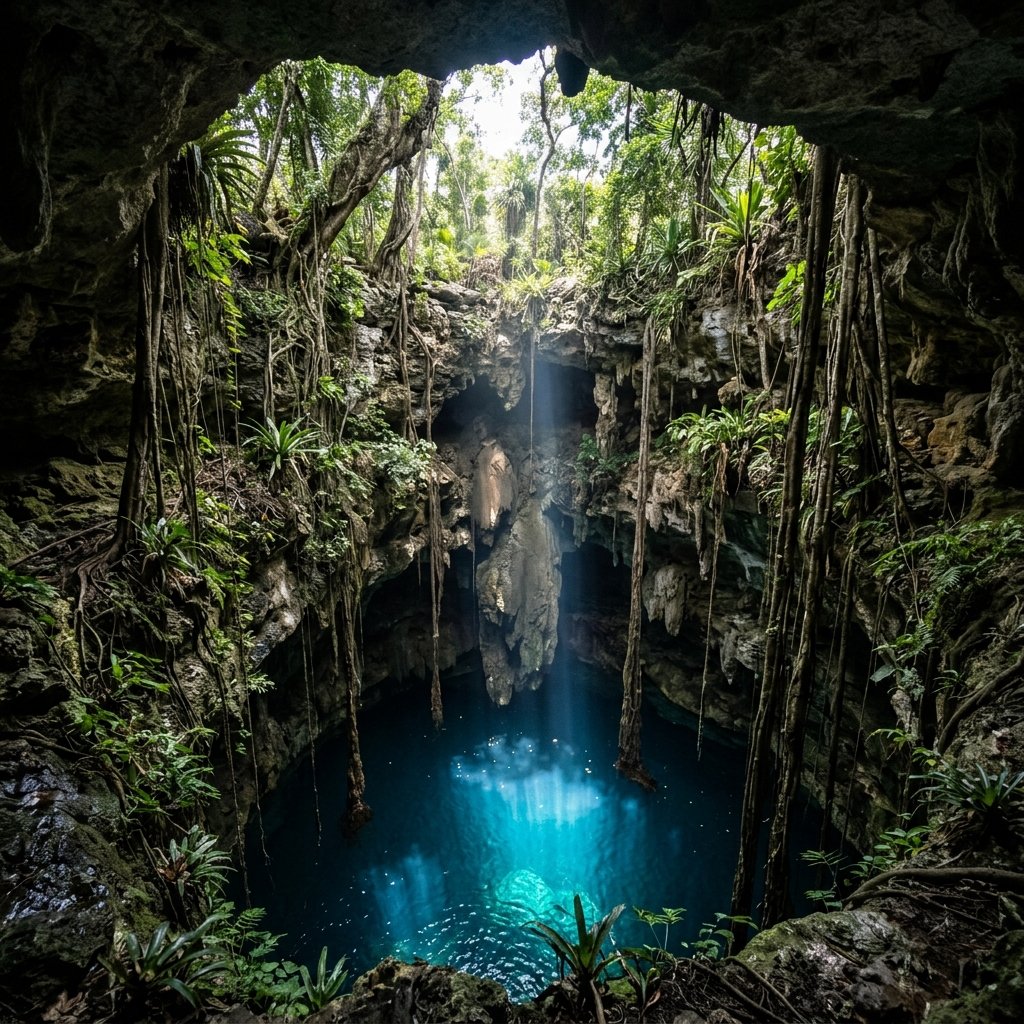
Xibalba: The Maya Underworld
The nine-level kingdom of death, ruled by One Death and Seven Death. Its Houses of Terror — Dark House, Razor House, Bat House — tested all who entered.
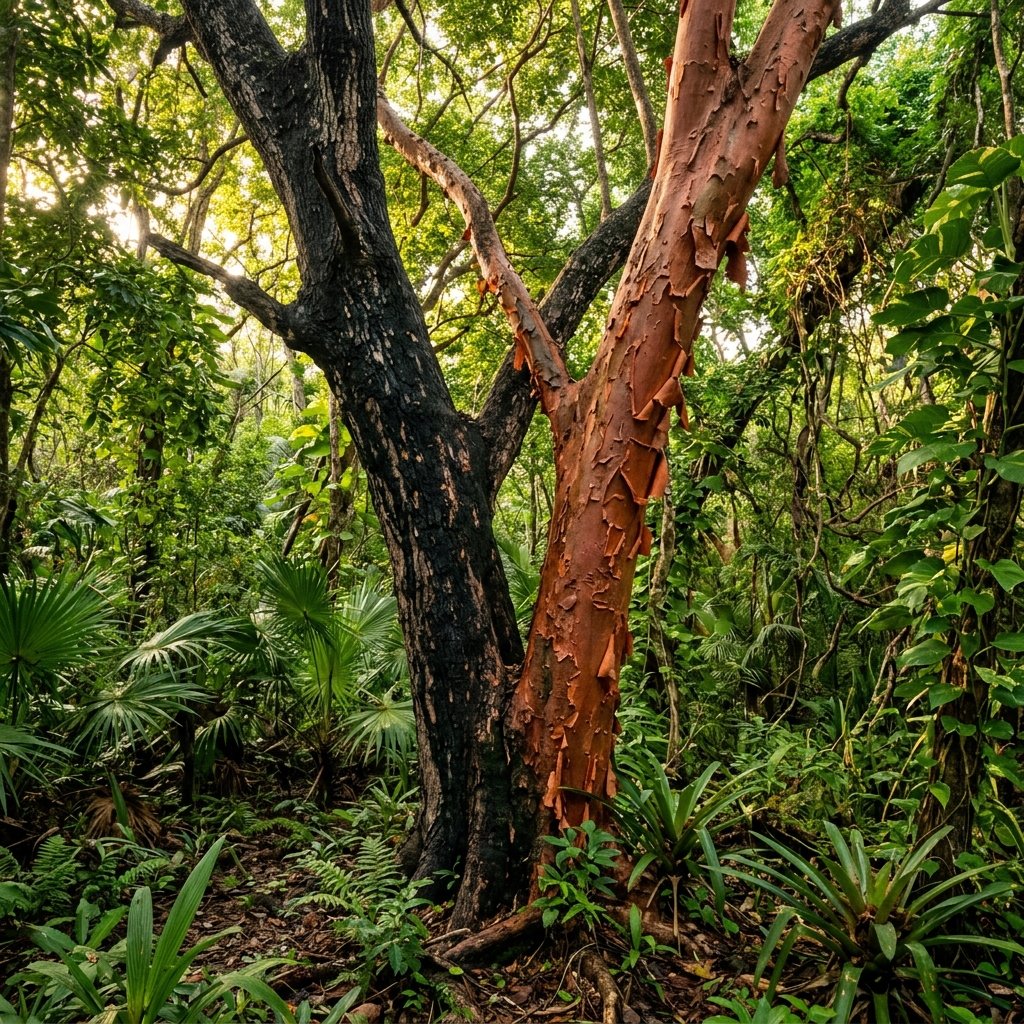
The Chechén & Chacá Trees
A tragic love story of two rival brothers — one became a poisonous tree, the other became its cure. Both still grow side by side across the Yucatán today.
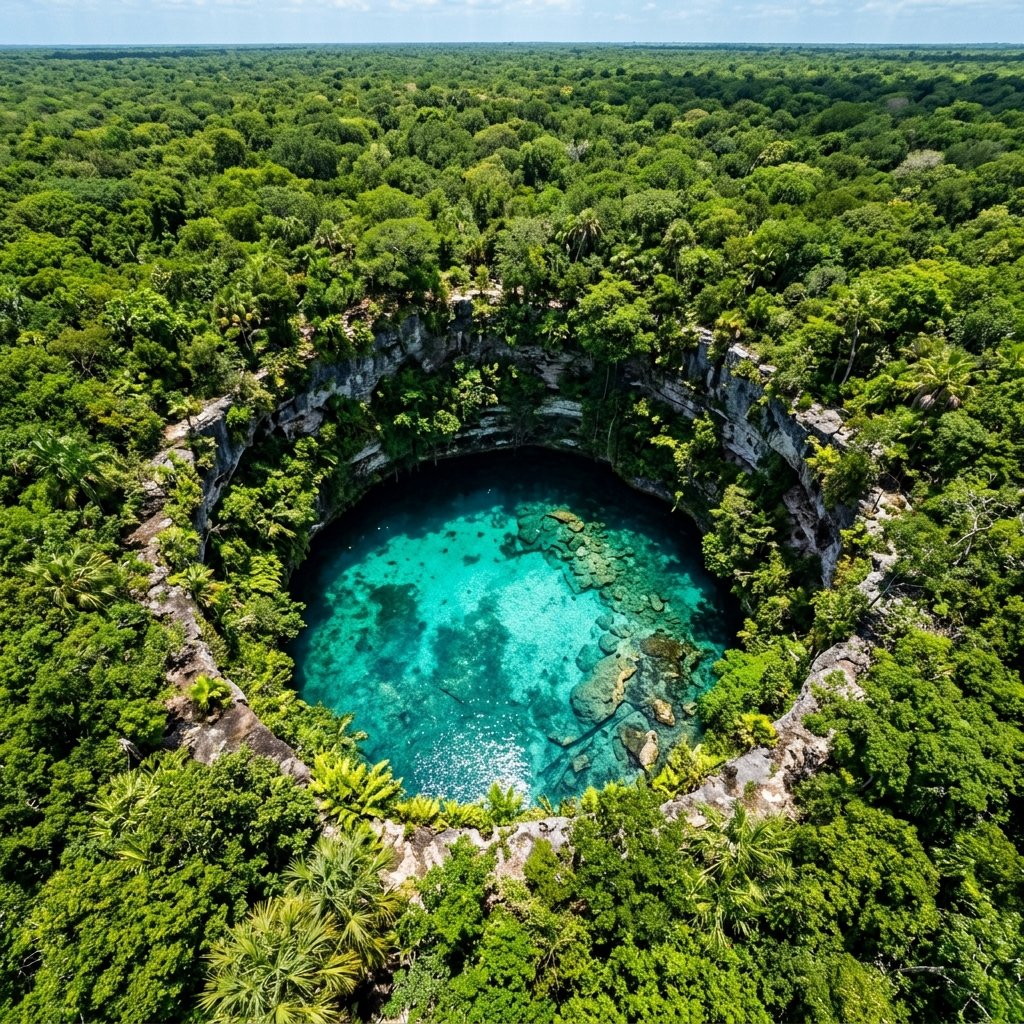
The Legend of the Cenotes
Over 6,000 sacred sinkholes — the Maya understood them as literal portals to the underworld. The Sacred Cenote at Chichen Itza held jade, gold, and human offerings.
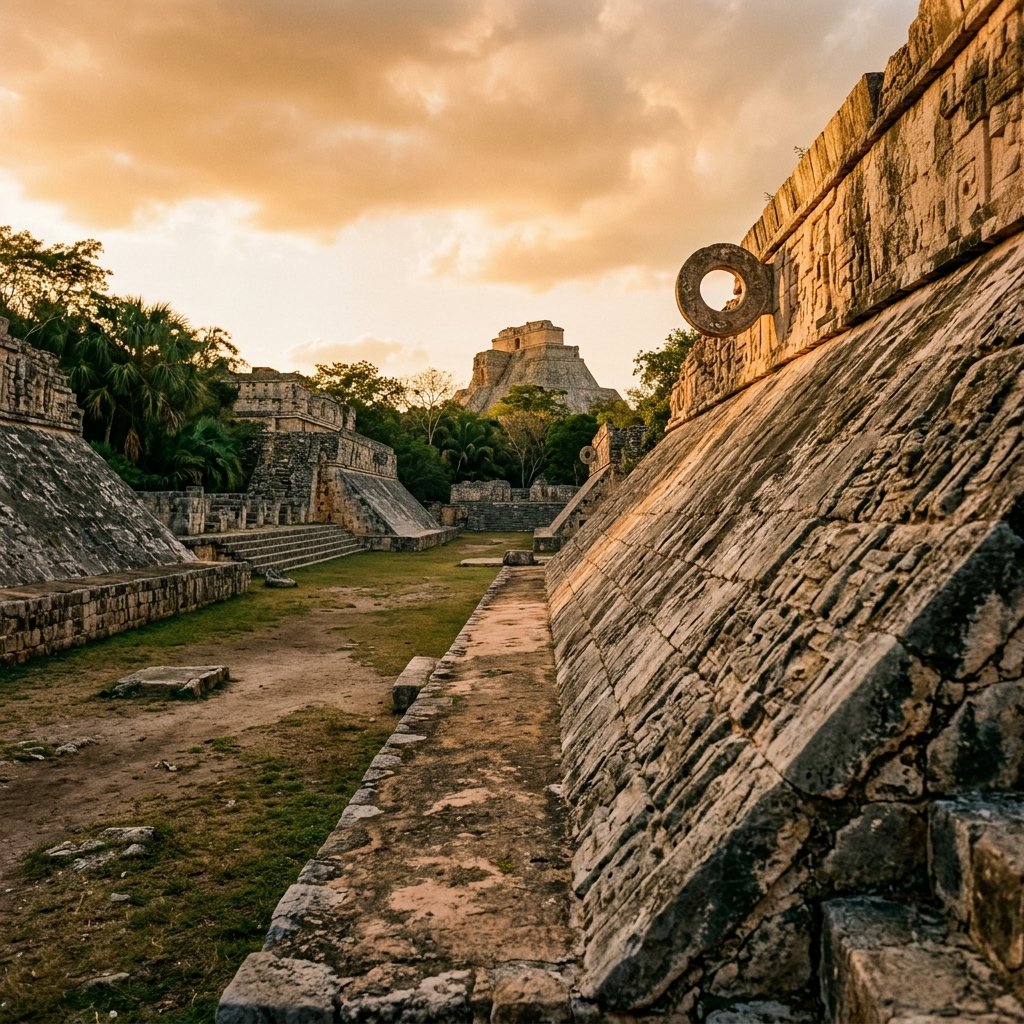
The Ballgame of the Gods
A 3-kilogram rubber ball, 1,300 courts, and cosmic stakes — every game reenacted the Hero Twins' battle against the Lords of Death.
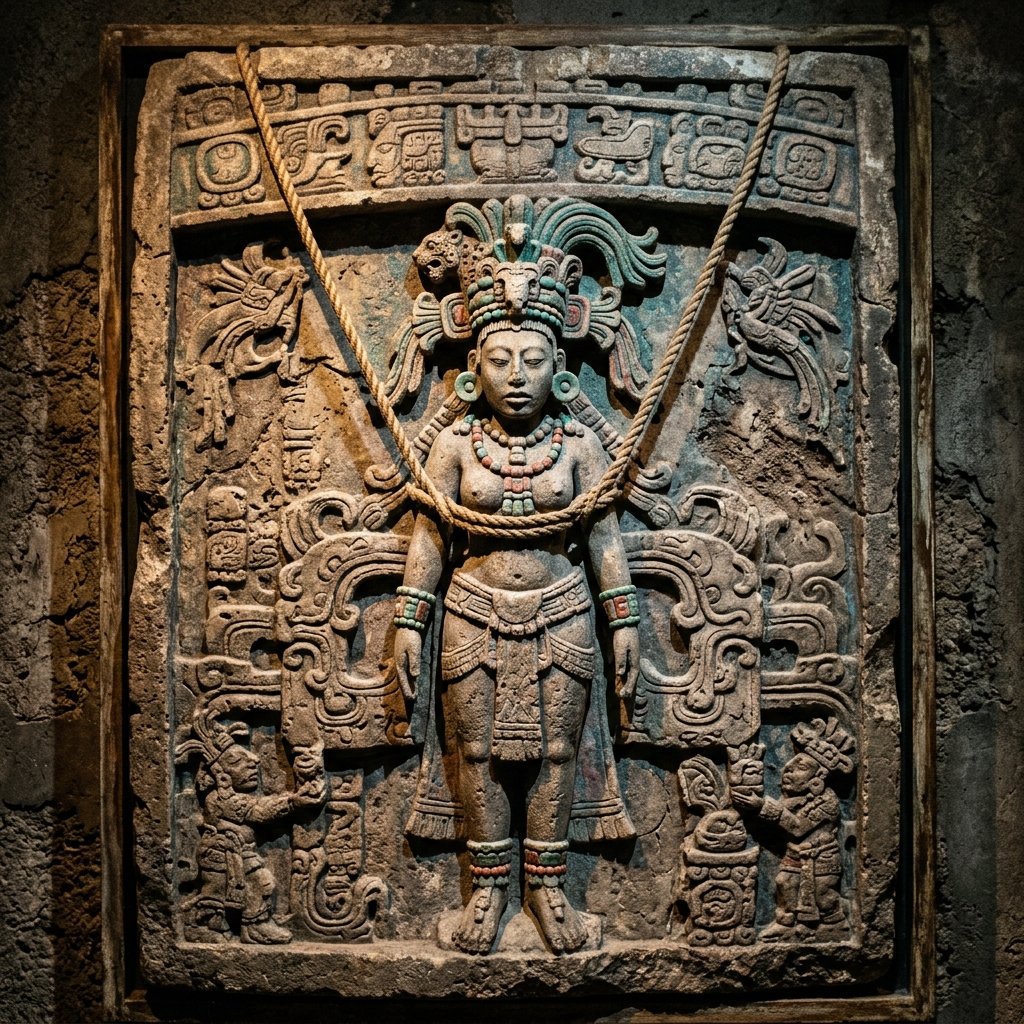
Ix Tab: The Goddess of Noble Death
The goddess who escorted souls to paradise. The Maya concept of "noble death" — and why it cannot be understood through a Western lens.
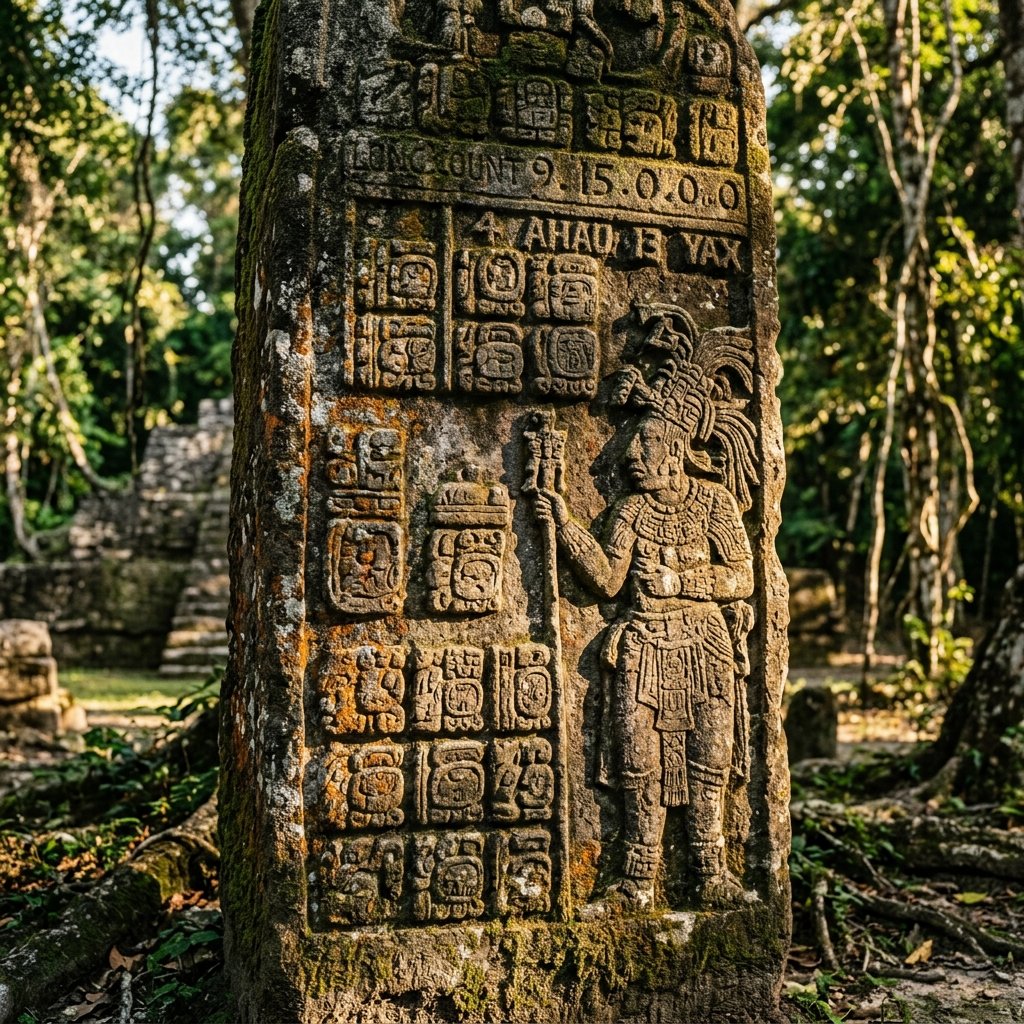
The K'atun Prophecy
Time is a wheel, not a line. The Maya used 256-year cycles to predict the qualities of future eras — and the 2012 "apocalypse" was a misunderstanding of this system.
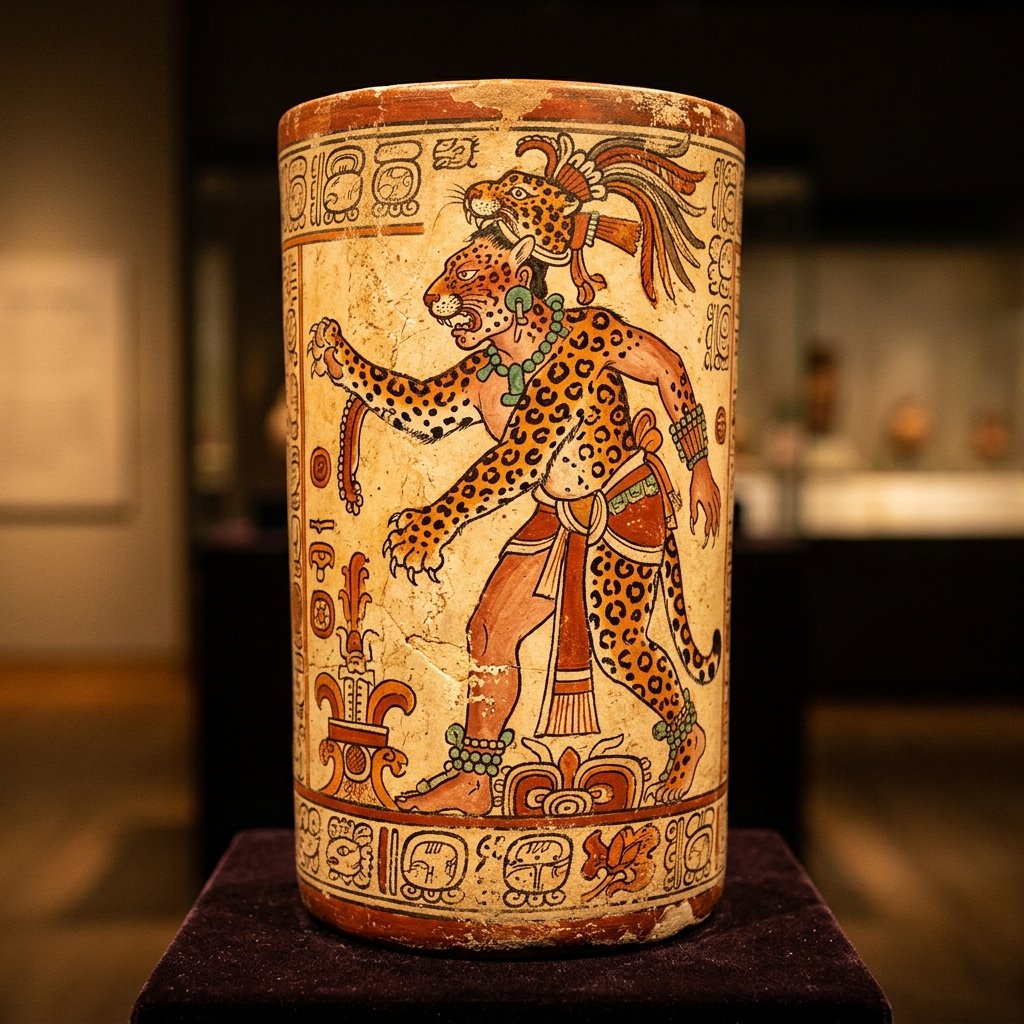
The Wayob: Shapeshifting Spirit Companions
Every Maya had an animal alter-ego. Kings controlled fearsome jaguars and fire serpents. Sorcerers sent their wayob to attack enemies in the spirit world.
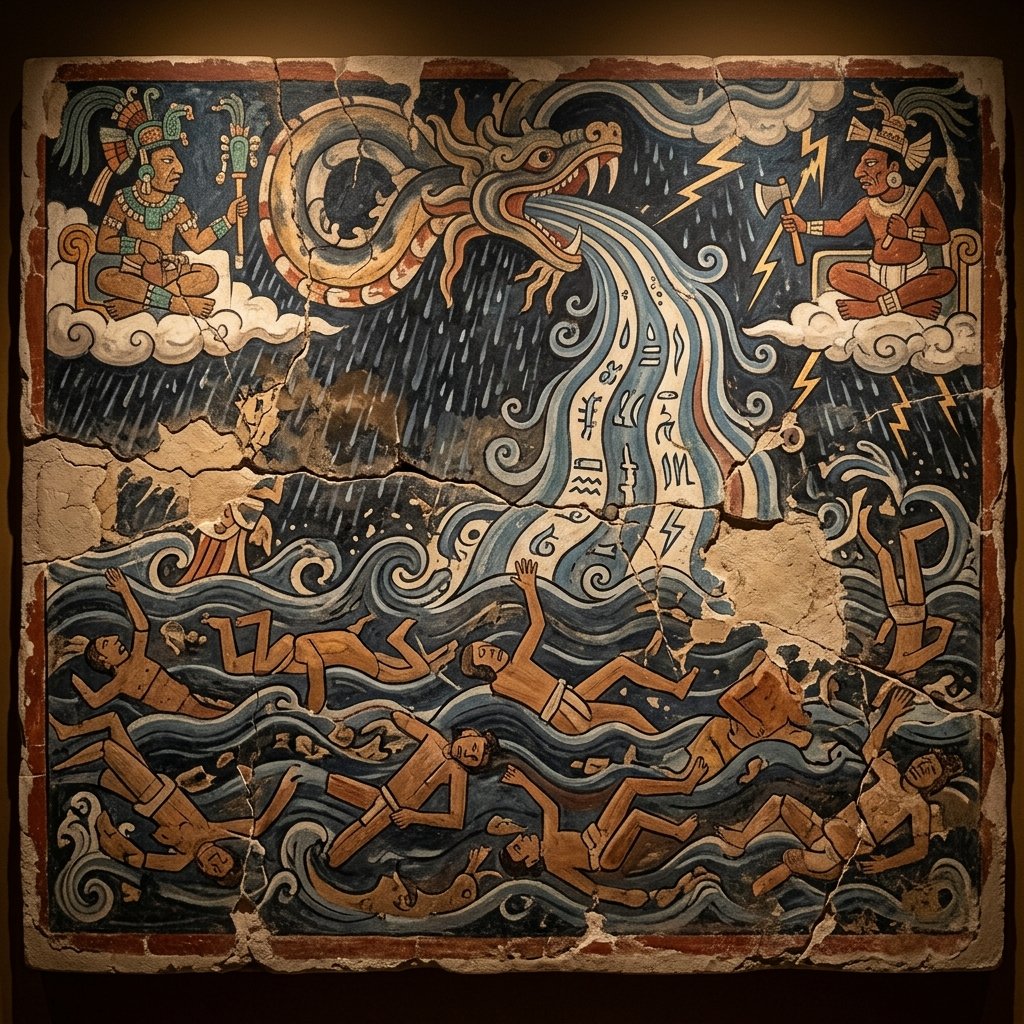
The Flood Myth
The gods destroyed the wooden people with a flood — and their cooking pots and dogs turned against them. Why the Maya flood is fundamentally different from Noah.
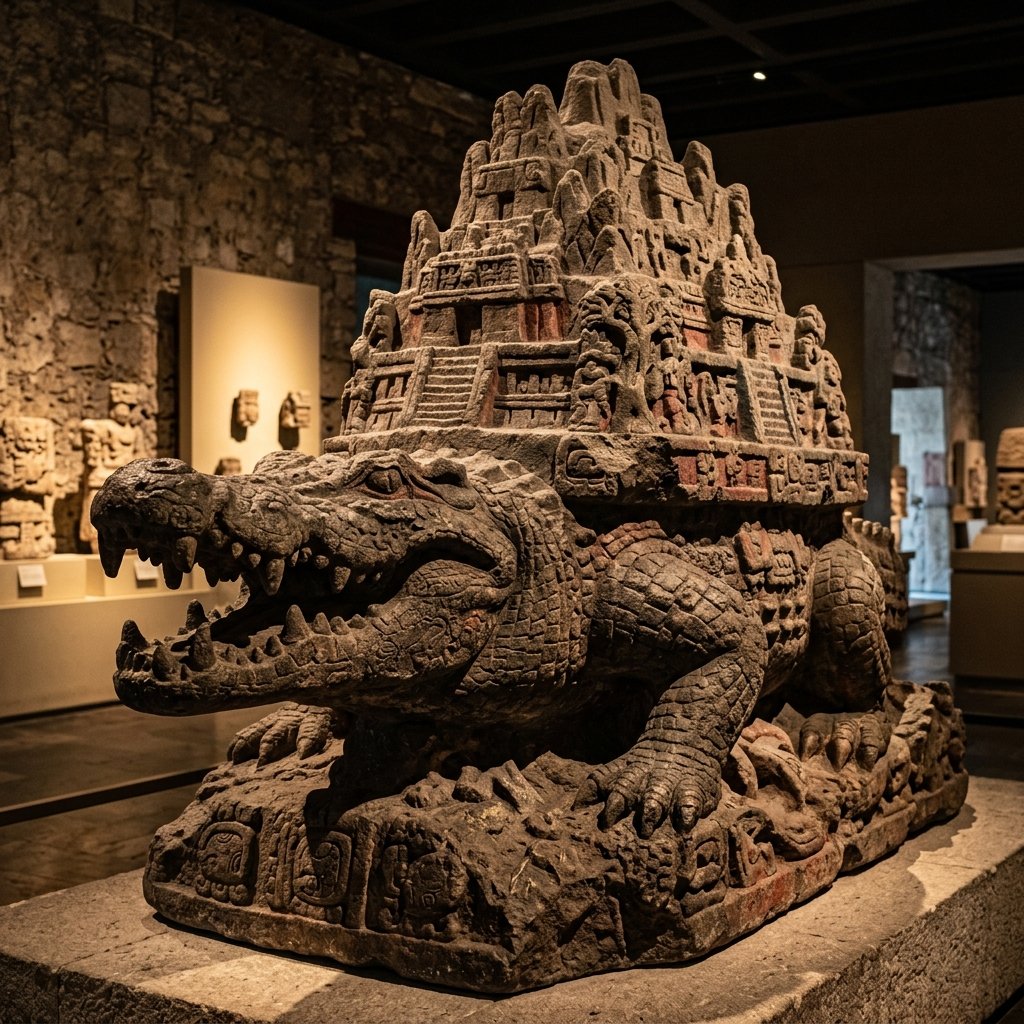
Zipacna & the 400 Boys
A boastful earth monster killed 400 boys — who became the Pleiades star cluster. Then the Hero Twins buried him under a mountain forever.
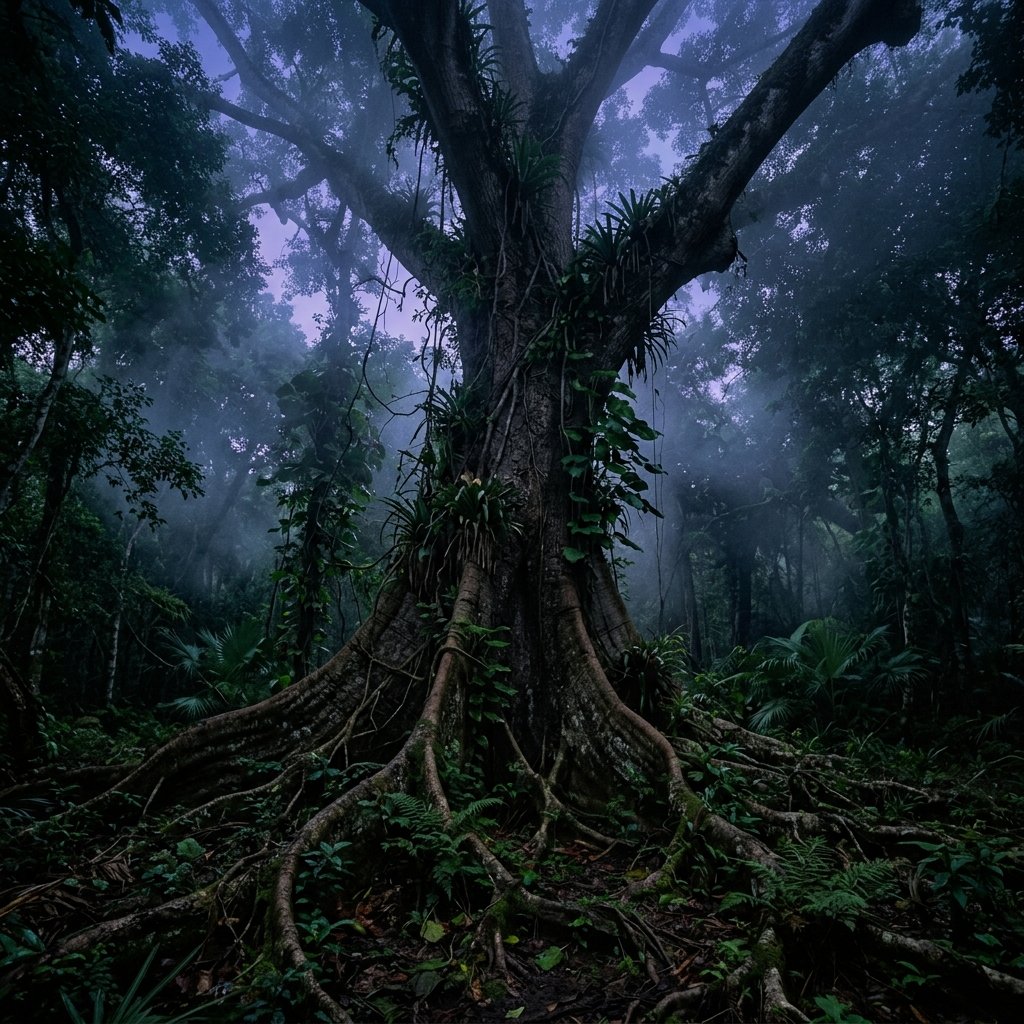
The Xtabay
A beautiful phantom lures men to their death beneath the World Tree. But the real story is about two women — and why true virtue has nothing to do with reputation.
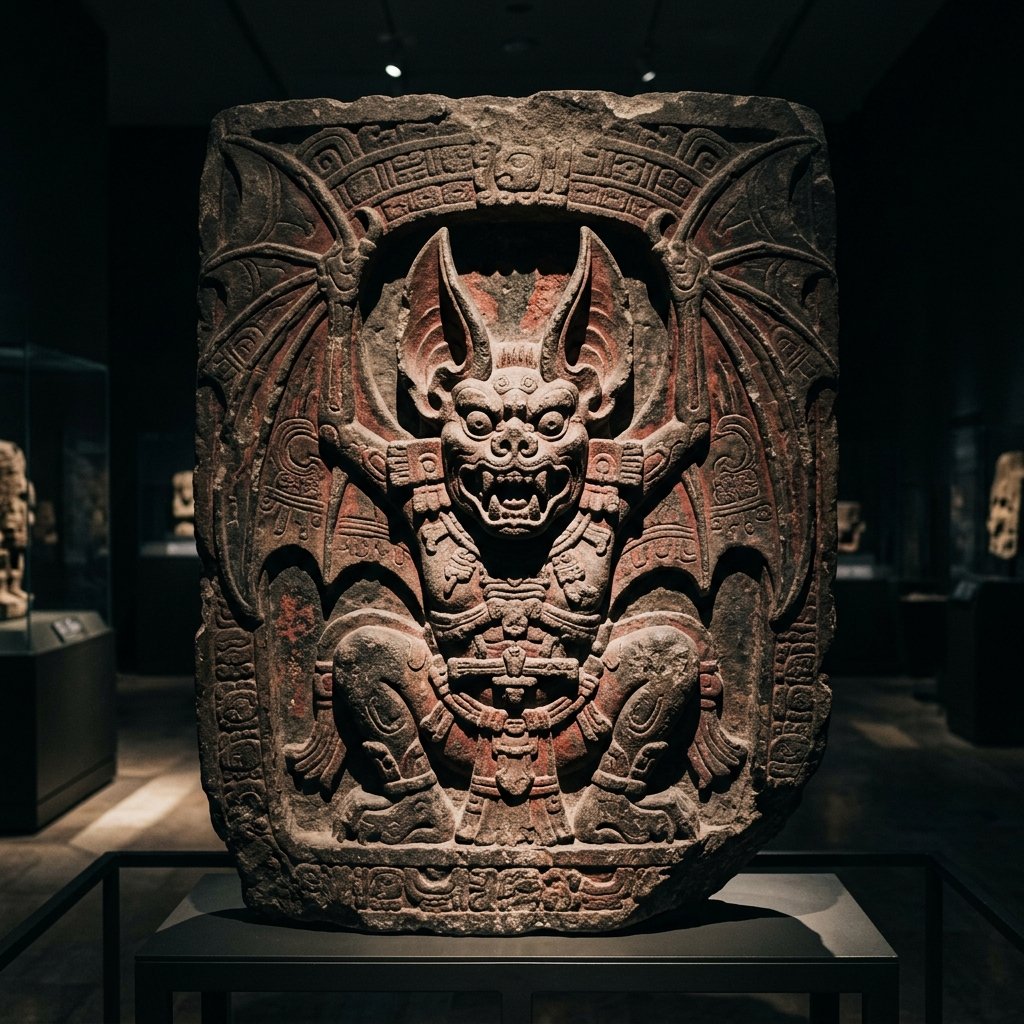
Camazotz: The Death Bat
The terrifying "Snatch Bat" who decapitated the Hero Twin Hunahpu in the House of Bats — and the real leaf-nosed bats that inspired one of Maya mythology's most fearsome figures.
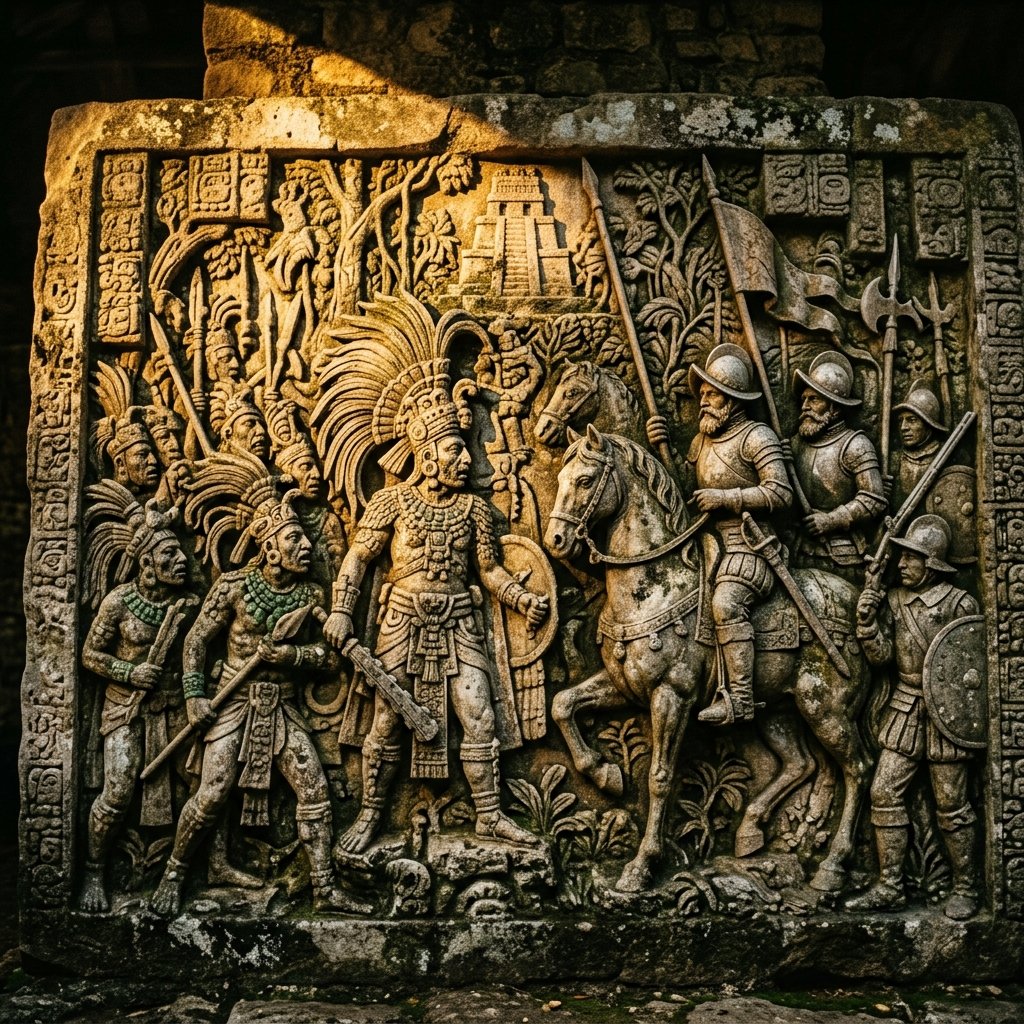
The Return of the Gods
Did the Maya and Aztec mistake the Spanish for returning deities? Modern scholars say no — and the real story reveals how colonial myths are constructed.
References
- Tedlock, D. Popol Vuh: The Definitive Edition of the Mayan Book of the Dawn of Life. Simon & Schuster, 1996.
- Christenson, A.J. Popol Vuh: The Sacred Book of the Maya. University of Oklahoma Press, 2007.
- Coe, M.D. The Maya. Thames & Hudson, 9th edition, 2015.
- Roys, R.L. The Book of Chilam Balam of Chumayel. University of Oklahoma Press, 1967.
- Taube, K. The Major Gods of Ancient Yucatan. Dumbarton Oaks, 1992.
Frequently Asked Questions
What is the most important Maya myth?
The Popol Vuh creation narrative — particularly the story of the Hero Twins (Hunahpu and Xbalanque) and their journey through Xibalba, the Maya underworld. This story encompasses the Maya understanding of creation, death, resurrection, and the cosmic order. It was depicted on Classic-period ceramics over a thousand years before it was transcribed in alphabetic form in the 1550s.
Are Maya myths the same as Aztec myths?
No, though they share some Mesoamerican roots. The Maya and Aztec were distinct civilizations separated by geography, language, and centuries of independent development. While some figures overlap (the Feathered Serpent appears in both traditions as Kukulkan and Quetzalcoatl), the stories, theological frameworks, and cultural contexts are different.
Where can I read the Popol Vuh?
The two standard English translations are by Dennis Tedlock (Simon & Schuster, 1996) and Allen Christenson (University of Oklahoma Press, 2007). Christenson's version includes extensive footnotes and the K'iche' original. Both are widely available and recommended by scholars.