Caban
The Earth · Day Sign 17 of 20
Who Is Caban?
You are grounded, intelligent, and profoundly connected to the living planet. Earth sign bearers think in systems and patterns, with a natural genius for understanding how all things connect. Caban people often experience remarkable synchronicities.
In the Tzolk'in — the sacred 260-day calendar of the Maya — Caban is the 17th of twenty day signs, each representing a fundamental archetype of human experience. Your day sign is determined by the day you were born, and it shapes your personality, your purpose, and the cosmic energy you carry through life.
Caban is associated with the East direction, the element of Water, and the color Red. In the Maya cosmological system, these associations connect you to specific natural forces, seasonal energies, and spiritual qualities.
Strengths of Caban
Those born under the sign of Caban carry remarkable natural gifts:
- Systems-level intelligence
- Extraordinary pattern recognition
- Grounded yet progressive
- Attuned to synchronicity
- Natural navigator and wayfinder
Challenges of Caban
Every sign carries its shadow. The challenges of Caban are not weaknesses — they are growth edges that, when worked with consciously, become your greatest sources of power:
- Can be inflexible
- May intellectualize emotions
- Overthinking and analysis paralysis
- Can be stubborn about methods
- May dismiss the irrational
Caban in Love & Relationships
Caban builds relationships on shared intelligence and aligned values. You're practical in love but deeply devoted. You need a partner who thinks as deeply as you do.
Most Compatible Signs
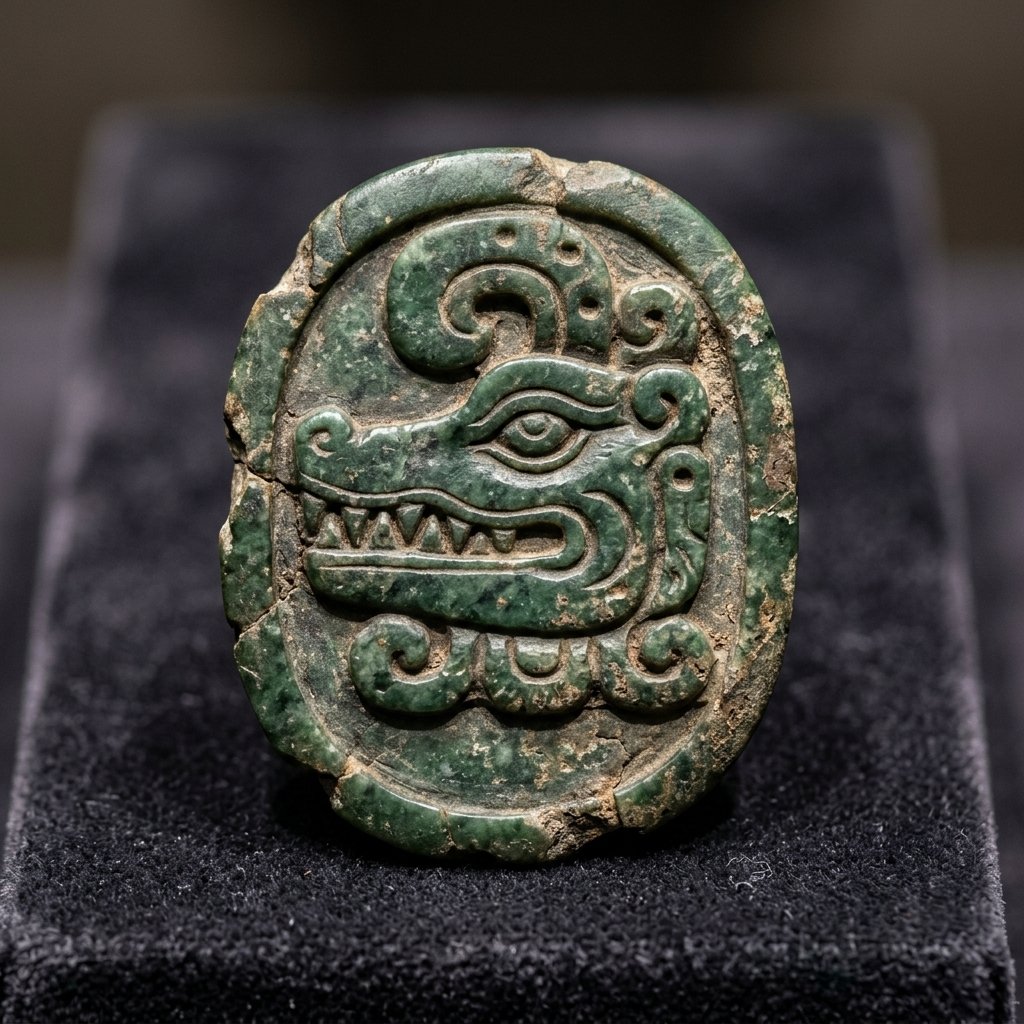
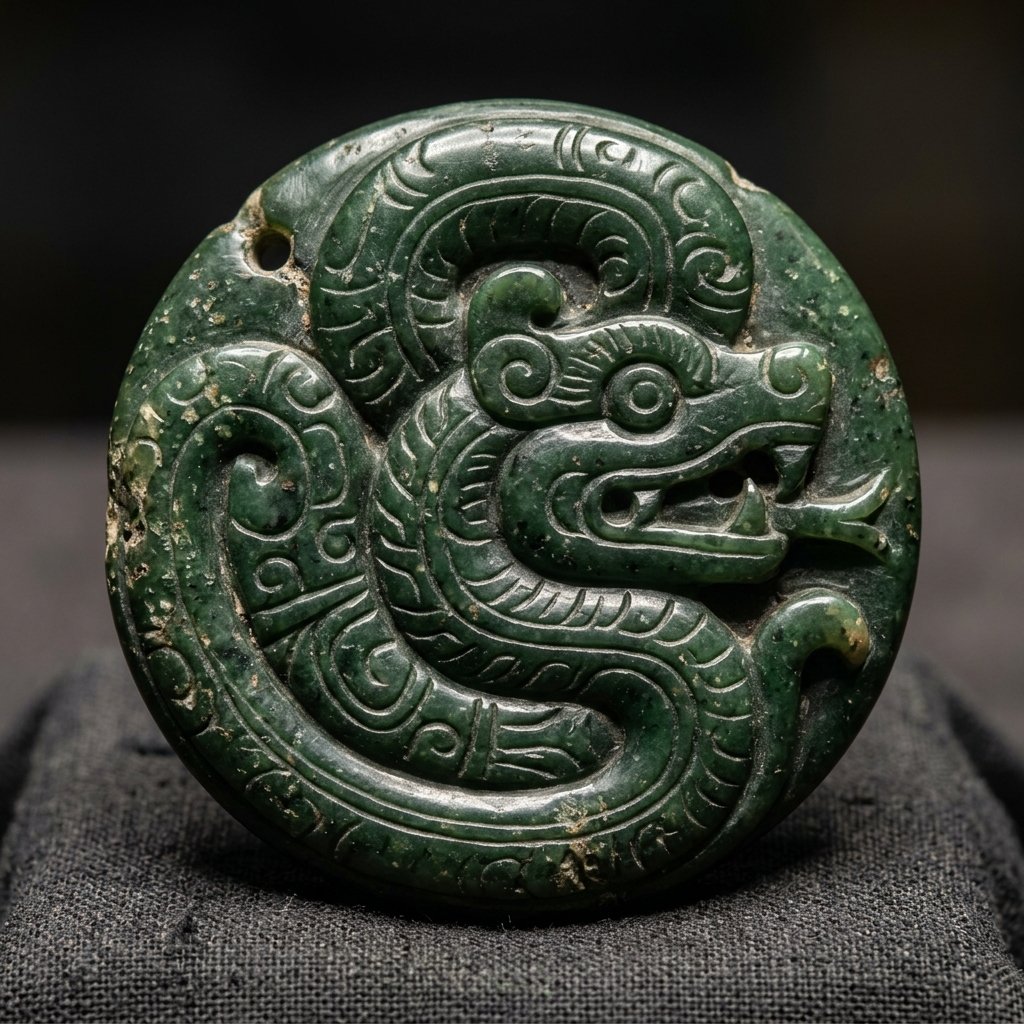
Caban shares the element of Water with these signs, creating natural resonance:
→ Check your compatibility with any birthday
Caban Career & Life Path
Science, systems engineering, environmental science, geography, earthquake research, navigation, urban design, progressive politics.
Famous Caban People
Notable individuals believed to carry the Caban energy: Charles Darwin, Marie Curie
Note: Mayan astrology as presented on this site is a modern interpretation of the Tzolk'in calendar system. It draws on both academic research and contemporary practices, and should be enjoyed as a framework for self-reflection rather than a literal prediction system.
Caban in History & Archaeology
The Classic Glyph
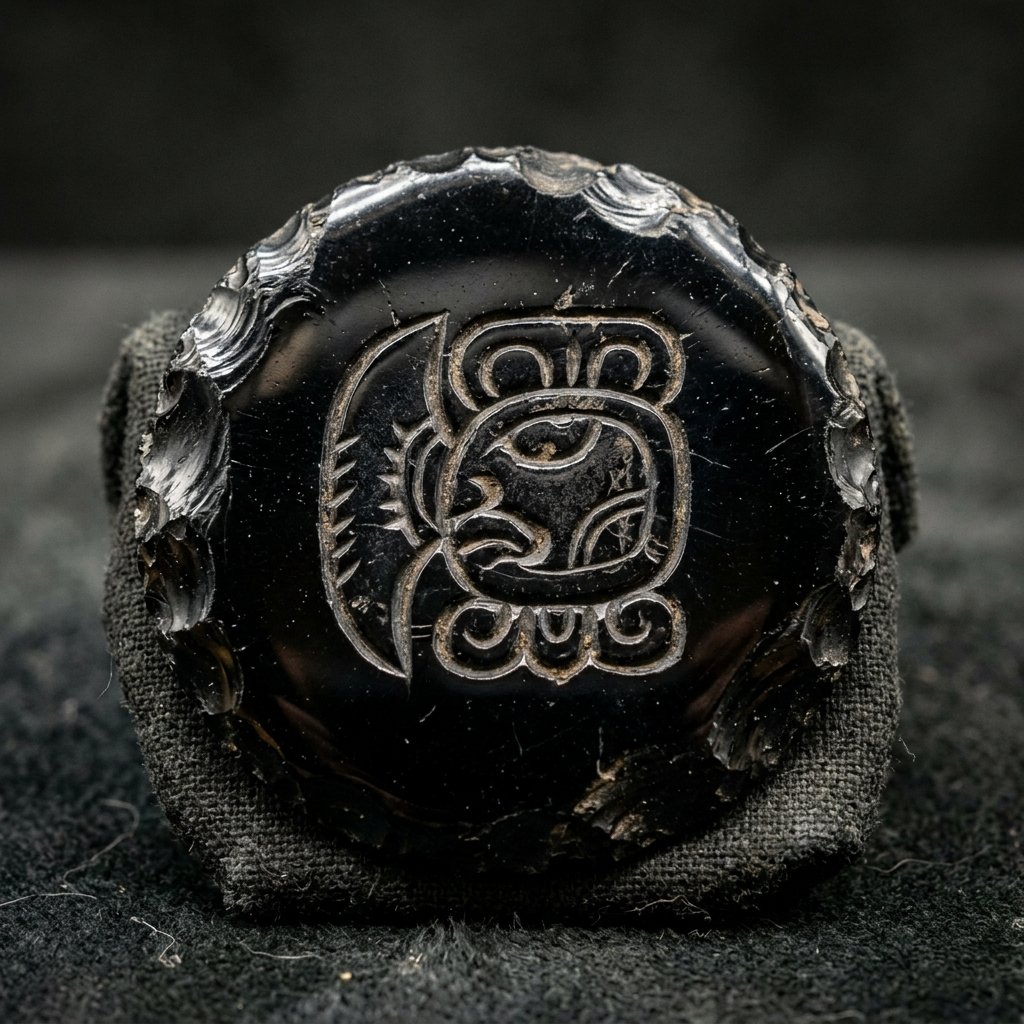
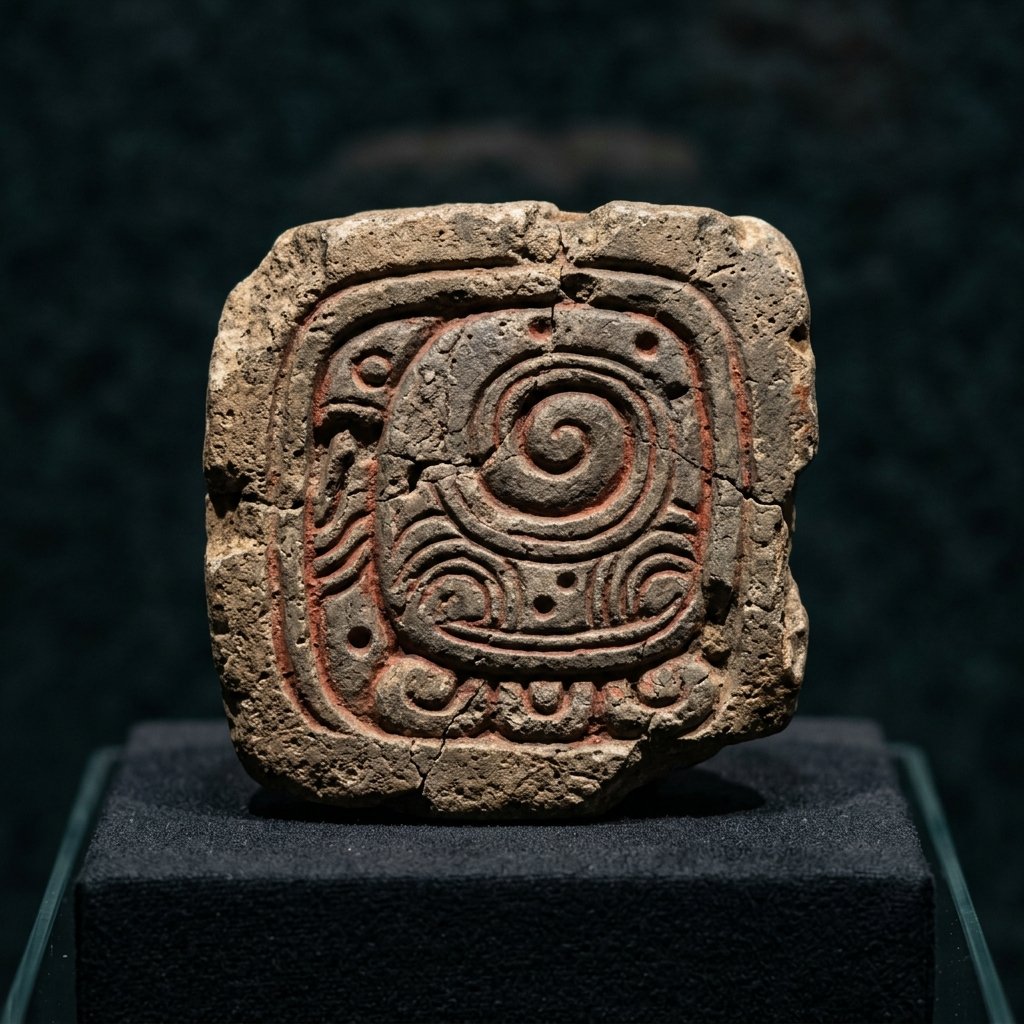
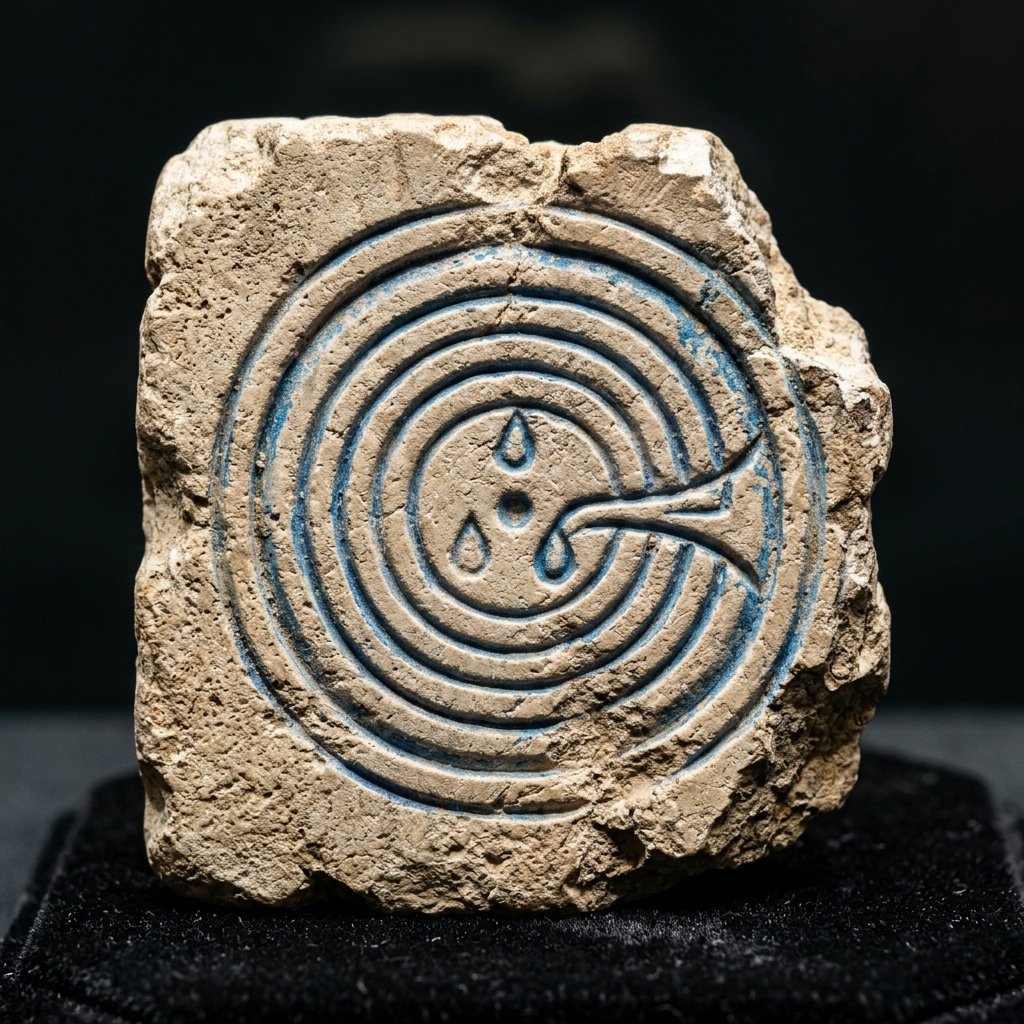
The Caban glyph depicts a curling line or earthquake motif — representing the living, moving earth and the intelligence embedded in the natural world.
Archaeological Record
The Maya understood the earth as a living, sentient being — not inert matter but a conscious entity whose movements (earthquakes) were communications. Robert Sharer's excavations at Quiriguá revealed that this small but extraordinary city, located in a seismically active zone at the intersection of the Motagua Fault and the Caribbean Plate boundary, incorporated earthquake cosmology directly into its monumental program. Zoomorph P at Quiriguá — the most complex single sculpture in the Maya world — depicts the living earth as a cosmic mountain-monster, its surface covered with astronomical and calendrical notations.
Cosmological Significance
In K'iche' practice, No'j is the sign of knowledge, intelligence, and wisdom. It is considered one of the four "Year Bearer" signs in some traditions — the signs that can begin the new year. Barbara Tedlock documented that daykeepers associate No'j with "thinking well," making good decisions, and the kind of systematic intelligence that understands connections between seemingly unrelated phenomena. The earthquake association is not negative — it represents the earth "thinking," "moving," "responding" — an animate, intelligent planet communicating with its inhabitants.
Scholarly References
- Sharer, R. & Traxler, L. The Ancient Maya. Stanford University Press, 6th ed., 2006, pp. 324–341.
- Tedlock, B. Time and the Highland Maya. University of New Mexico Press, 1992, pp. 118–122.
- Looper, M.G. Lightning Warrior: Maya Art and Kingship at Quirigua. University of Texas Press, 2003, pp. 89–121.
The 13 Tones of Caban
Your day sign is only half of your Tzolk'in identity. The other half is your tone number — a number from 1 to 13 that modifies and refines the energy of your sign. If your sign is what you are, your tone is how you express it.
→ Find your exact tone number with our calculator
Frequently Asked Questions
What does it mean to be born on Caban?
Being born on Caban means the day you entered the world was governed by the energy of the Earth. In Maya cosmology, this shapes your personality, strengths, challenges, and life purpose.
Is Caban the same as a Western zodiac sign?
No. The Maya Tzolk'in system is completely independent of Western astrology. While Western signs are based on the sun's position among constellations, Maya day signs are based on a 260-day sacred calendar cycle.
How do I know if I'm a Caban?
Use our Mayan Sign Calculator — enter your birth date and it will calculate your exact day sign and tone number using the same mathematical system the ancient Maya used.
What element is Caban?
Caban is associated with the element of Water and the East direction. This connects you to other Water signs and the energies of that element.
 Cib
Cib