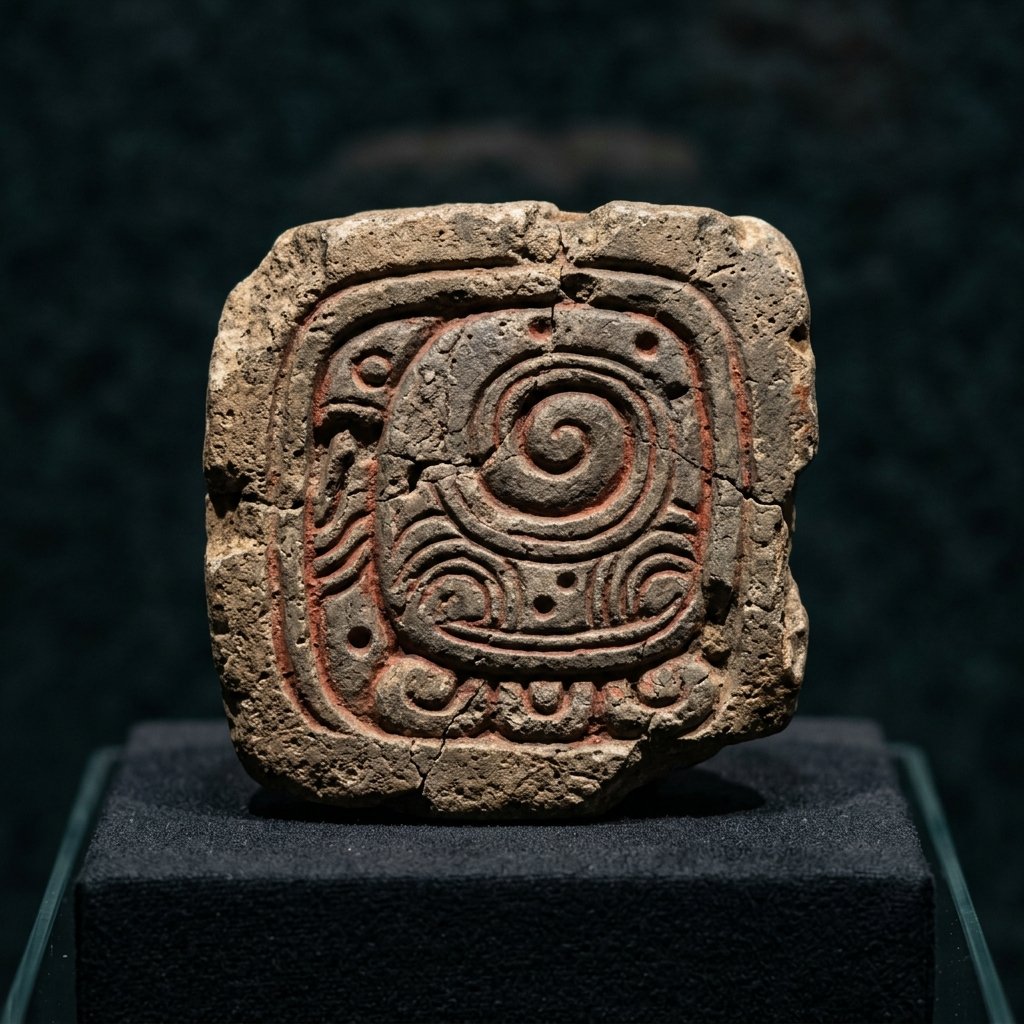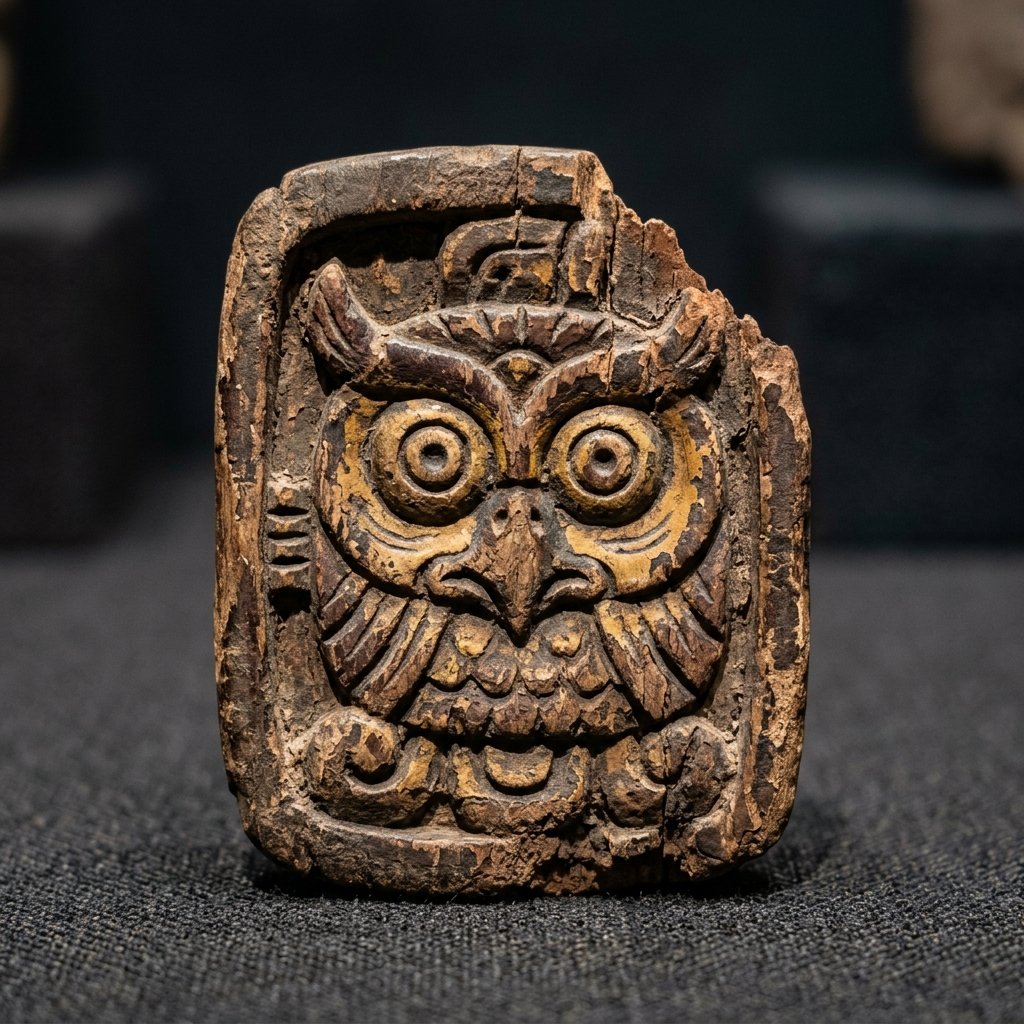
Cib
The Owl · Day Sign 16 of 20
Who Is Cib?
You are a keeper of ancient wisdom. The Owl represents the ancestors and karmic memory — you have natural access to deep knowing and an old soul's understanding of life. Cib people have often felt "older" than their years since childhood.
In the Tzolk'in — the sacred 260-day calendar of the Maya — Cib is the 16th of twenty day signs, each representing a fundamental archetype of human experience. Your day sign is determined by the day you were born, and it shapes your personality, your purpose, and the cosmic energy you carry through life.
Cib is associated with the South direction, the element of Fire, and the color Yellow. In the Maya cosmological system, these associations connect you to specific natural forces, seasonal energies, and spiritual qualities.
Strengths of Cib
Those born under the sign of Cib carry remarkable natural gifts:
- Deep ancestral wisdom
- Natural access to past-life insights
- Forgiving and understanding
- Knows things without being taught
- Wise beyond years
Challenges of Cib
Every sign carries its shadow. The challenges of Cib are not weaknesses — they are growth edges that, when worked with consciously, become your greatest sources of power:
- Can carry karmic weight heavily
- May feel burdened by old pain
- Tendency toward cynicism
- Can seem world-weary
- May struggle to live in present
Cib in Love & Relationships
Cib brings ancient understanding to love. You forgive easily because you see the bigger karmic picture. You need a partner with emotional maturity and spiritual depth.
Most Compatible Signs
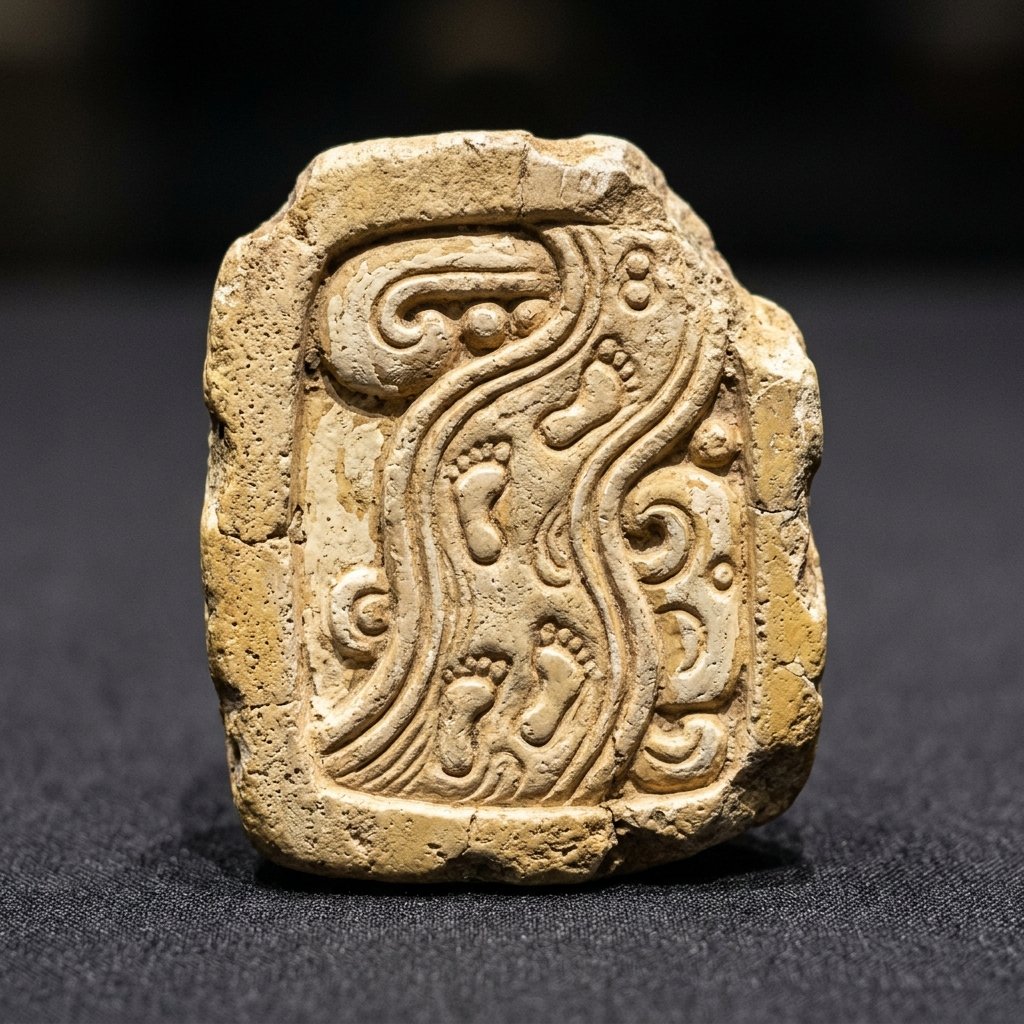
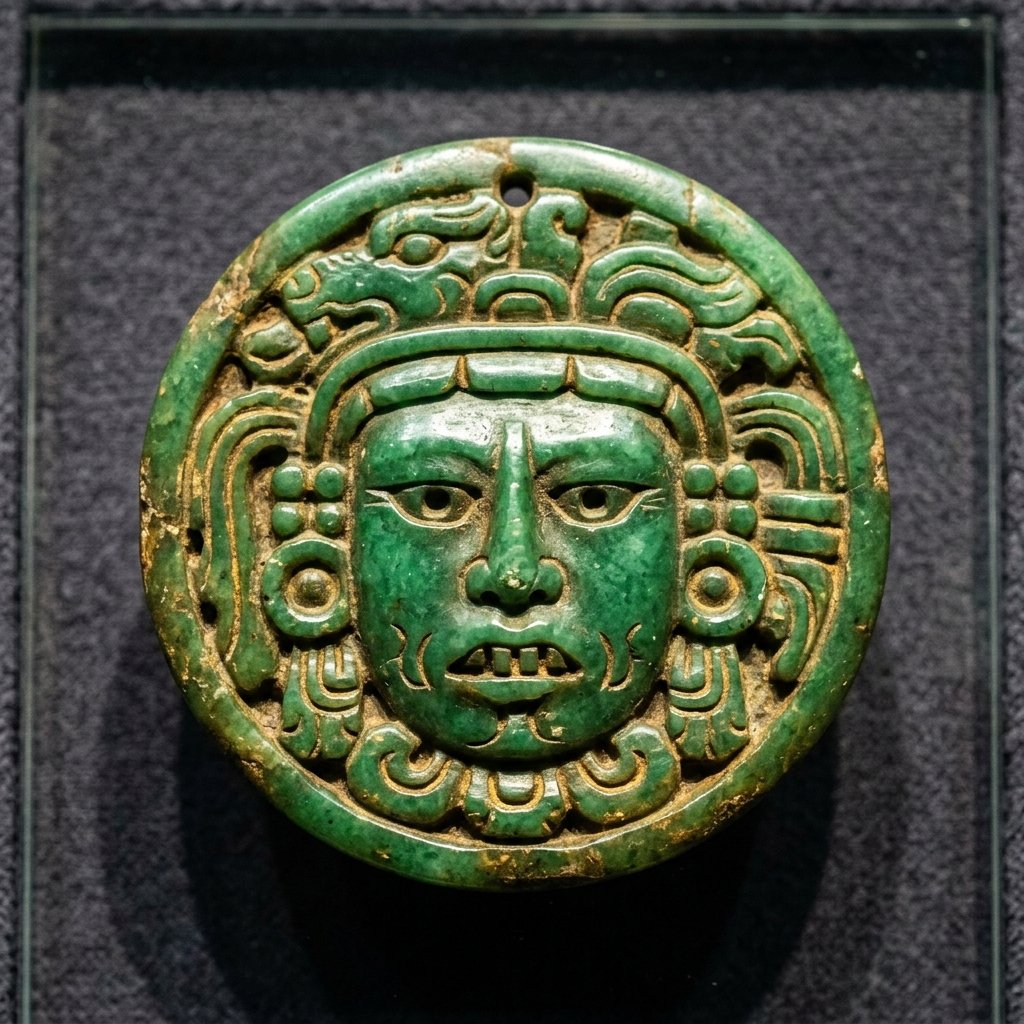
Cib shares the element of Fire with these signs, creating natural resonance:
→ Check your compatibility with any birthday
Cib Career & Life Path
History, archaeology, genealogy, counseling, spiritual direction, writing, museum work, elder care.
Famous Cib People
Notable individuals believed to carry the Cib energy: Maya Angelou, J.R.R. Tolkien
Note: Mayan astrology as presented on this site is a modern interpretation of the Tzolk'in calendar system. It draws on both academic research and contemporary practices, and should be enjoyed as a framework for self-reflection rather than a literal prediction system.
Cib in History & Archaeology
The Classic Glyph
The Cib glyph is debated among epigraphers — some read it as a stylized owl face, others as a vulture or wax (beeswax/candle). The association with ancestral wisdom is consistent across interpretations.
Archaeological Record
Owls were messengers of the underworld in Maya cosmology. The Popol Vuh names four owl messengers — Chabi Tucur (Arrow Owl), Huracán Tucur (One-Leg Owl), Caquix Tucur (Macaw Owl), and Holom Tucur (Head Owl) — who delivered the Lords of Xibalba's summons to the Hero Twins' father and uncle. This establishes the owl as a liminal figure: a nighttime creature who bridges the worlds of the living and dead. At Tikal, an owl motif appears on the war standard used in the famous "Entrada" of 378 AD, when warriors from Teotihuacan arrived at the city — suggesting that the owl also carried military and political authority associated with the supernatural world.
Cosmological Significance
In K'iche' practice, Ajmaq is one of the most complex day signs. Barbara Tedlock documented that it is associated with ancestors, forgiveness, and the accumulated moral weight of past actions — essentially the K'iche' concept of karma. Ceremonies performed on Ajmaq days involve asking forgiveness from the ancestors for transgressions and seeking their guidance. The name itself derives from "ajmak" meaning "sinner" or "one who carries fault," but in practice the sign is about release and reconciliation — acknowledging the weight of the past in order to move forward unburdened.
Scholarly References
- Tedlock, D. Popol Vuh: The Definitive Edition. Simon & Schuster, 1996, pp. 97–101.
- Tedlock, B. Time and the Highland Maya. University of New Mexico Press, 1992, pp. 112–115.
- Martin, S. & Grube, N. Chronicle of the Maya Kings and Queens. Thames & Hudson, 2nd ed., 2008, pp. 29–35.
The 13 Tones of Cib
Your day sign is only half of your Tzolk'in identity. The other half is your tone number — a number from 1 to 13 that modifies and refines the energy of your sign. If your sign is what you are, your tone is how you express it.
→ Find your exact tone number with our calculator
Frequently Asked Questions
What does it mean to be born on Cib?
Being born on Cib means the day you entered the world was governed by the energy of the Owl. In Maya cosmology, this shapes your personality, strengths, challenges, and life purpose.
Is Cib the same as a Western zodiac sign?
No. The Maya Tzolk'in system is completely independent of Western astrology. While Western signs are based on the sun's position among constellations, Maya day signs are based on a 260-day sacred calendar cycle.
How do I know if I'm a Cib?
Use our Mayan Sign Calculator — enter your birth date and it will calculate your exact day sign and tone number using the same mathematical system the ancient Maya used.
What element is Cib?
Cib is associated with the element of Fire and the South direction. This connects you to other Fire signs and the energies of that element.
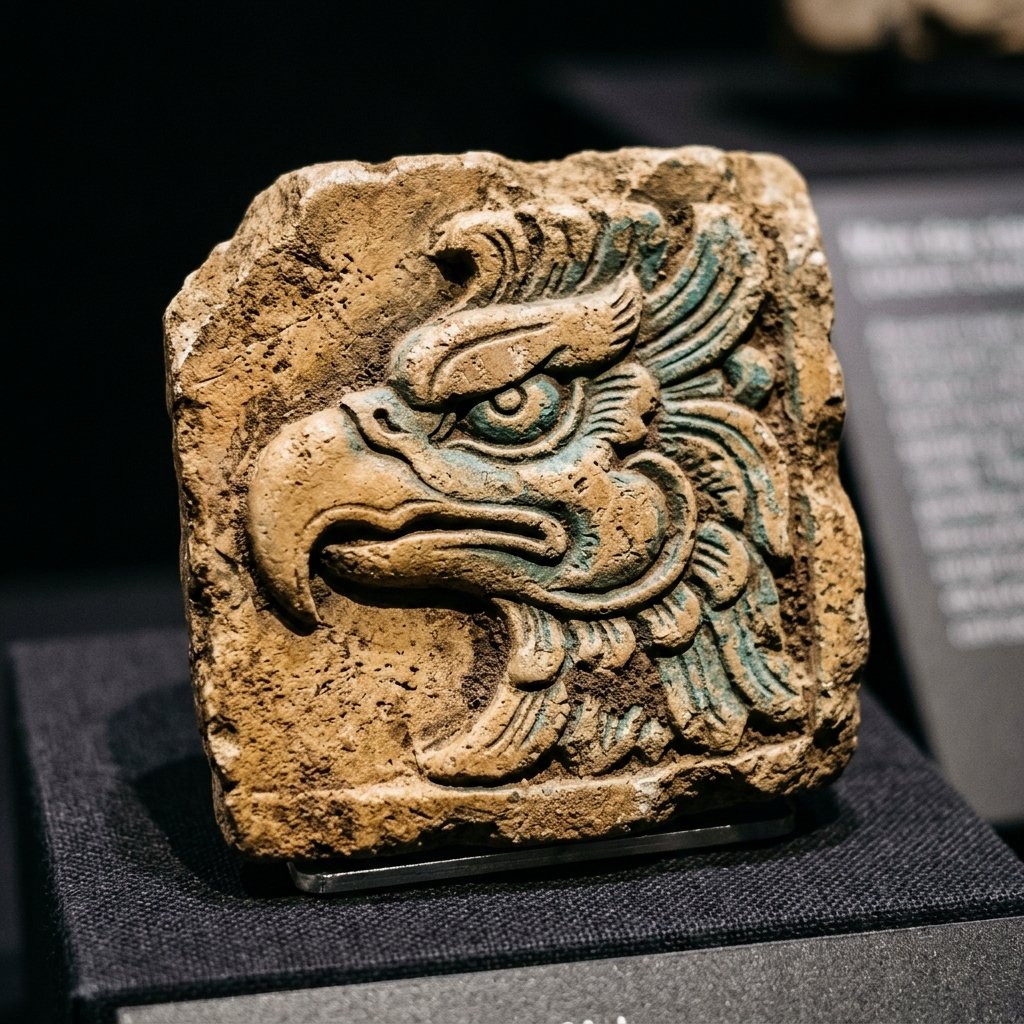 Men
Men