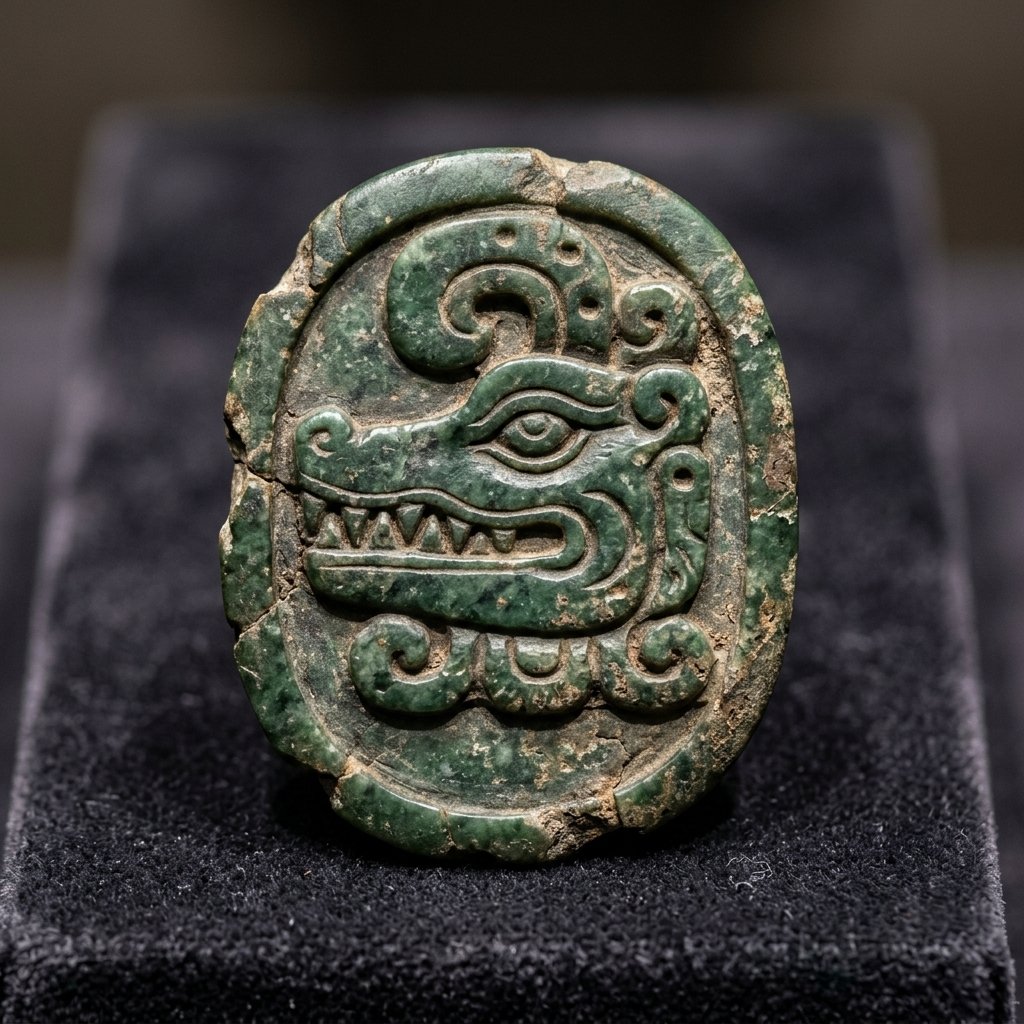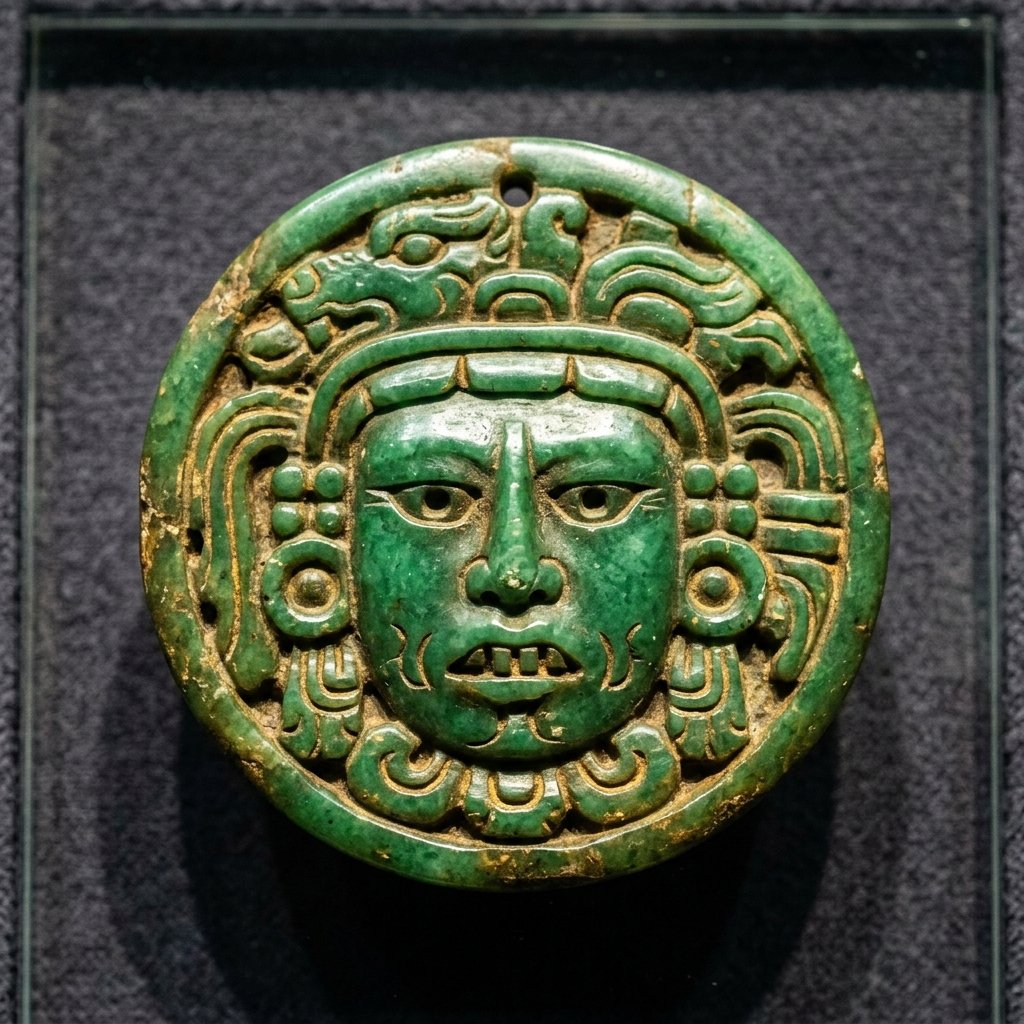
Ahau
The Sun · Day Sign 20 of 20
Who Is Ahau?
You are a child of the Sun — the highest and most radiant day sign. You carry the light of artistic vision, romantic idealism, and a devotion to beauty and truth that inspires everyone around you. Ahau is the sign of completion and mastery.
In the Tzolk'in — the sacred 260-day calendar of the Maya — Ahau is the last and highest of twenty day signs, each representing a fundamental archetype of human experience. Your day sign is determined by the day you were born, and it shapes your personality, your purpose, and the cosmic energy you carry through life.
Ahau is associated with the South direction, the element of Fire, and the color Yellow. In the Maya cosmological system, these associations connect you to specific natural forces, seasonal energies, and spiritual qualities.
Strengths of Ahau
Those born under the sign of Ahau carry remarkable natural gifts:
- Radiant presence and charisma
- Artistic mastery
- Devotion to beauty and truth
- Romantic and idealistic
- Inspires others to their best
Challenges of Ahau
Every sign carries its shadow. The challenges of Ahau are not weaknesses — they are growth edges that, when worked with consciously, become your greatest sources of power:
- Unrealistic expectations
- Can be vain or self-absorbed
- Difficulty accepting imperfection
- May put others on pedestals
- Burnout from always shining
Ahau in Love & Relationships
Ahau loves with the warmth and constancy of the sun. You're romantic, devoted, and see the divine in your partner. You need someone who can love your light without feeling overshadowed.
Most Compatible Signs
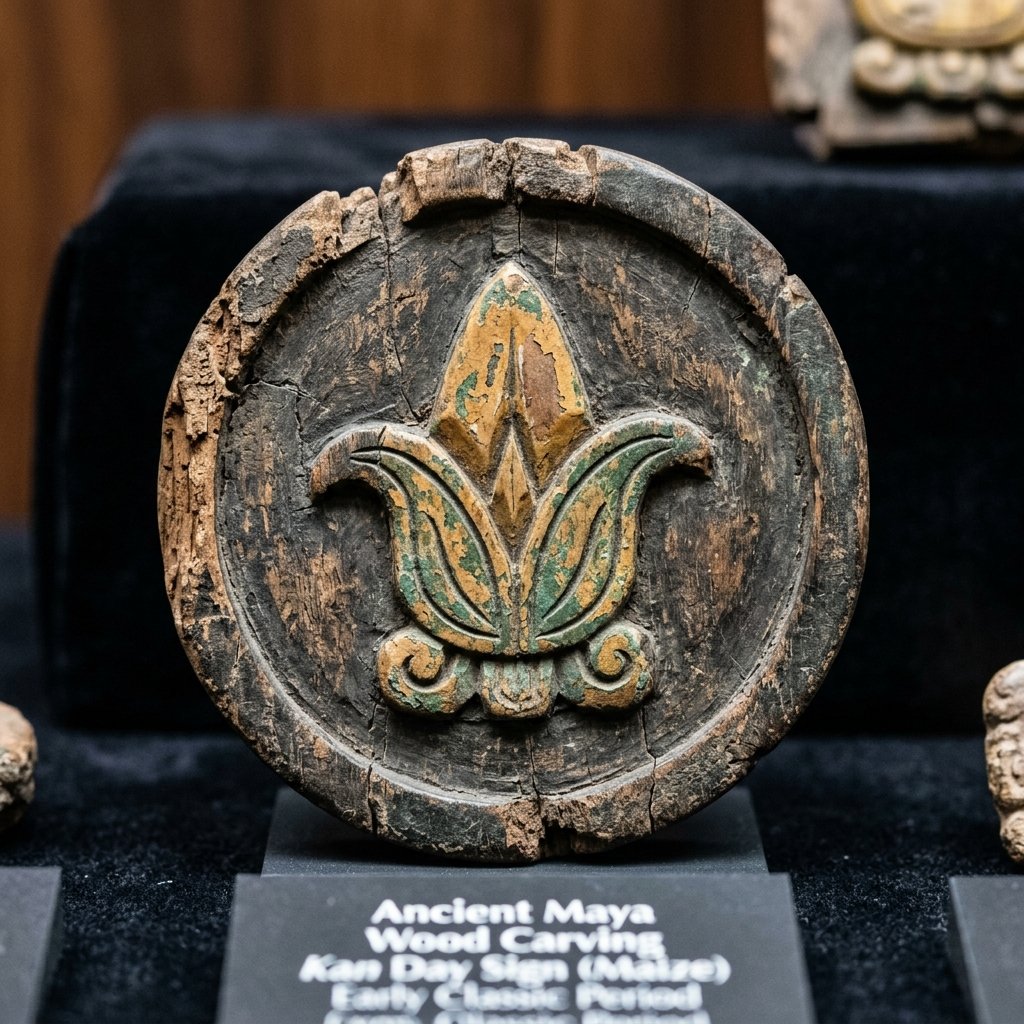
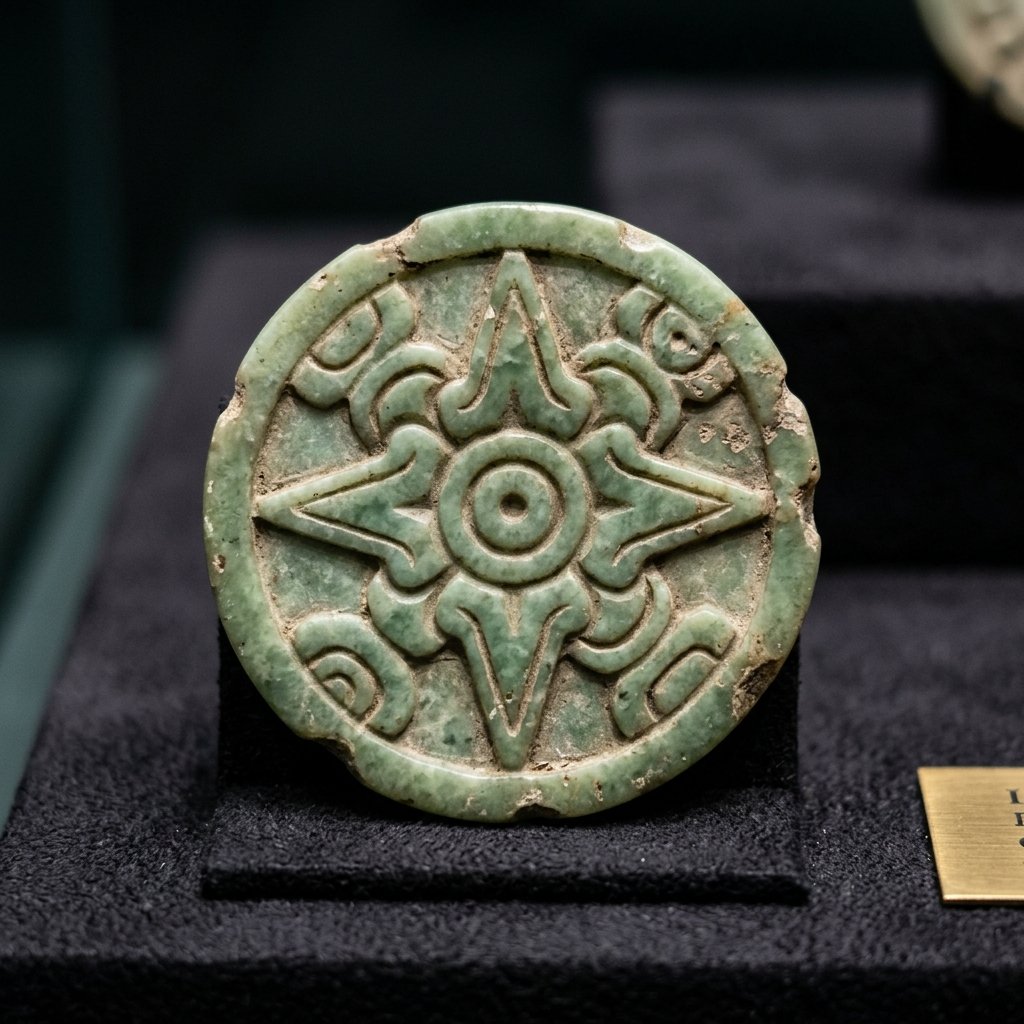
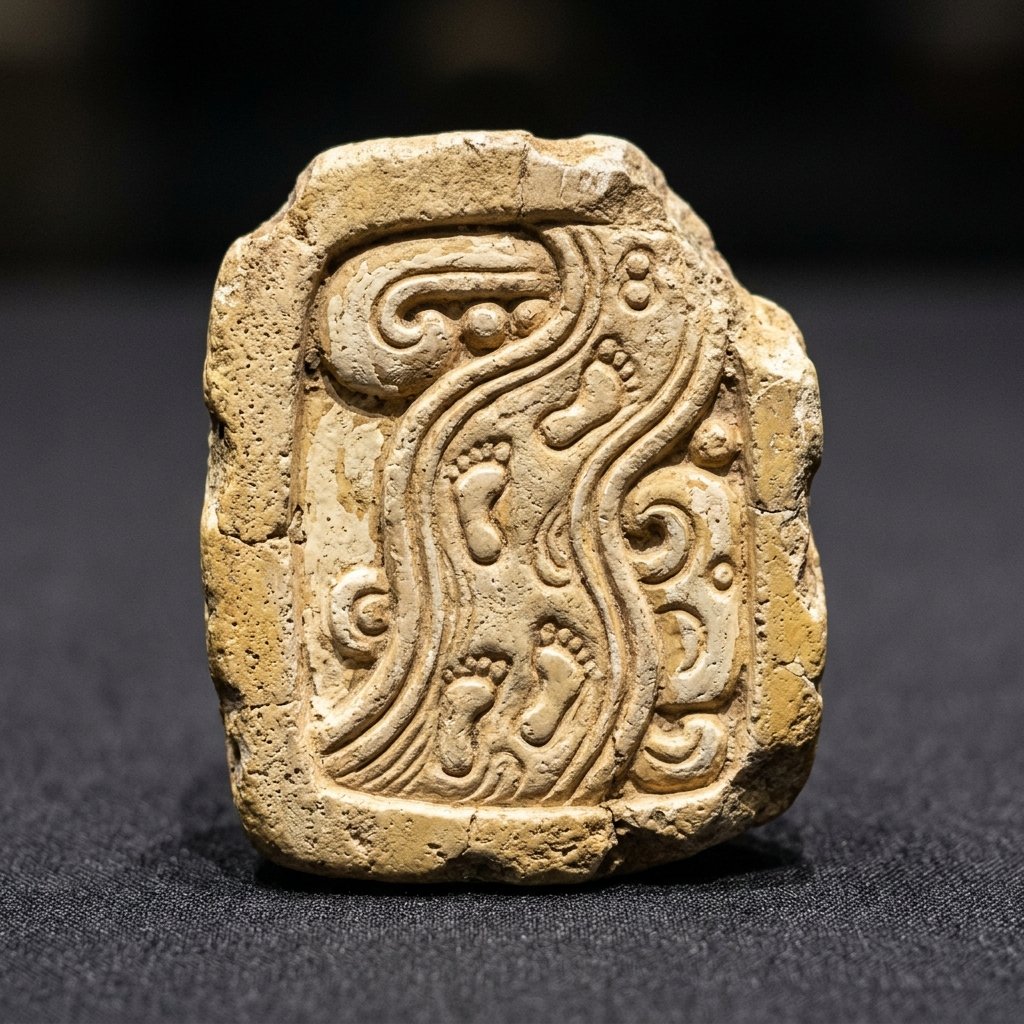
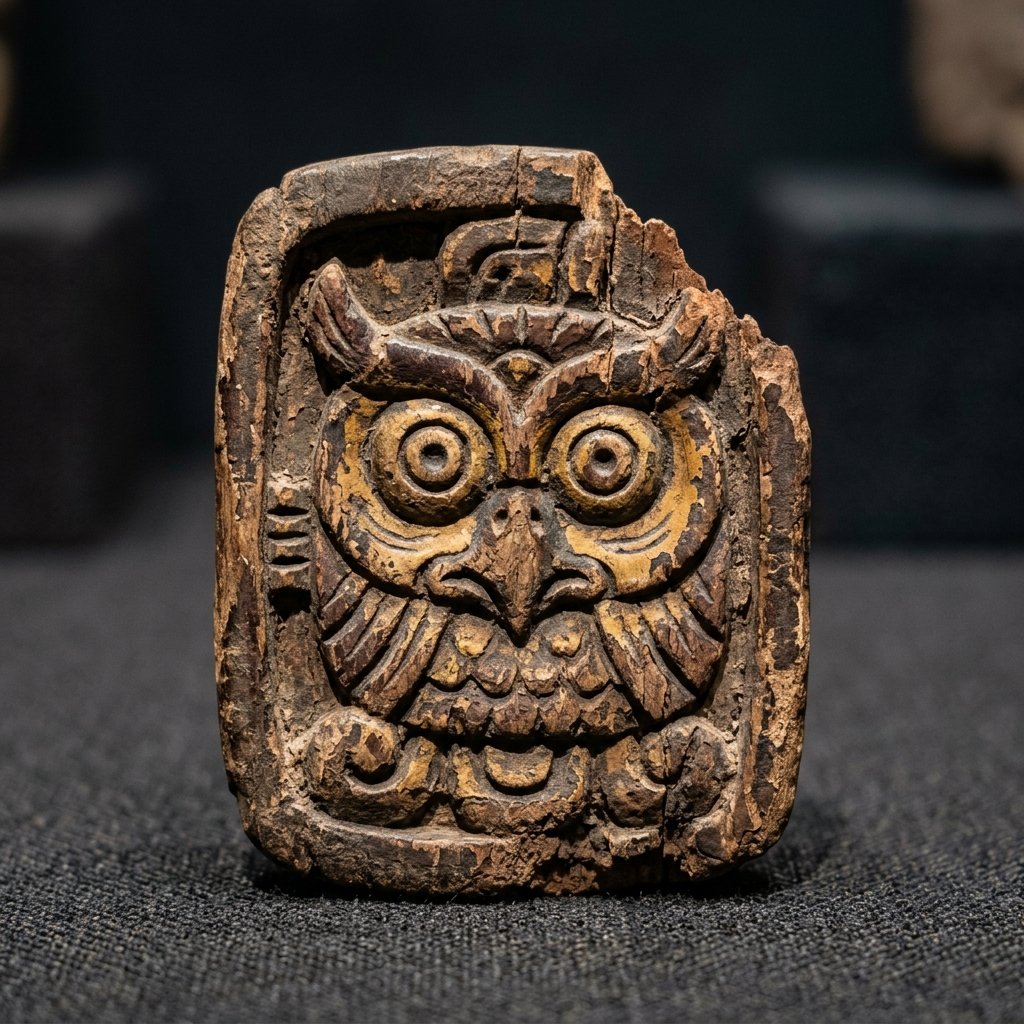
Ahau shares the element of Fire with these signs, creating natural resonance:
→ Check your compatibility with any birthday
Ahau Career & Life Path
Fine arts, music, spiritual leadership, photography, luxury design, coaching, solar energy, performance arts, diplomacy.
Famous Ahau People
Notable individuals believed to carry the Ahau energy: John Lennon, Nelson Mandela
Note: Mayan astrology as presented on this site is a modern interpretation of the Tzolk'in calendar system. It draws on both academic research and contemporary practices, and should be enjoyed as a framework for self-reflection rather than a literal prediction system.
Ahau in History & Archaeology
The Classic Glyph
The Ahau glyph is the "lord" or "ruler" face — depicting the sun god Kinich Ahau with his characteristic square eyes, Roman nose, and the "kin" (sun/day) symbol on his cheek or forehead.
Archaeological Record
Ahau is the culmination of the twenty day signs — the "Lord" or "Sun" that completes the cycle. The glyph system itself uses "ahau" as the title for rulers ("lord" or "divine one"), making this the day sign of kingship. Every Maya Long Count date ends with a k'atun name expressed as a number followed by Ahau (e.g., "8 Ahau"), making the sign the primary marker of historical time. At Palenque, K'inich Janaab Pakal ("Great Sun Shield") — arguably the most famous Maya ruler — incorporated the sun glyph into his very name, and his funerary mask rendered in jade is one of the most recognized images in world archaeology.
Cosmological Significance
The sun was the supreme celestial force in Maya religion — its daily journey from east to west, and its nightly passage through Xibalba as the Jaguar God of the Underworld, defined the fundamental rhythm of time and cosmology. Ahau represents the completed sun — the moment of mastery, when the full cycle has been traversed and the light returns. The Hero Twins of the Popol Vuh ultimately become the sun and moon after defeating the Lords of Death, establishing the principle that solar power must be earned through trial and sacrifice. In modern K'iche' practice, Ajpu days are associated with hunters, warriors, and blowgunners — those who wield the "sharpness" of the sun's rays as a focused instrument.
Scholarly References
- Stuart, D. The Order of Days: Unlocking the Secrets of the Ancient Maya. Harmony Books, 2011, pp. 40–68.
- Martin, S. & Grube, N. Chronicle of the Maya Kings and Queens. Thames & Hudson, 2nd ed., 2008, pp. 155–175.
- Schele, L. & Freidel, D. A Forest of Kings: The Untold Story of the Ancient Maya. William Morrow, 1990, pp. 57–95.
The 13 Tones of Ahau
Your day sign is only half of your Tzolk'in identity. The other half is your tone number — a number from 1 to 13 that modifies and refines the energy of your sign. If your sign is what you are, your tone is how you express it.
→ Find your exact tone number with our calculator
Frequently Asked Questions
What does it mean to be born on Ahau?
Being born on Ahau means the day you entered the world was governed by the energy of the Sun. In Maya cosmology, this shapes your personality, strengths, challenges, and life purpose.
Is Ahau the same as a Western zodiac sign?
No. The Maya Tzolk'in system is completely independent of Western astrology. While Western signs are based on the sun's position among constellations, Maya day signs are based on a 260-day sacred calendar cycle.
How do I know if I'm a Ahau?
Use our Mayan Sign Calculator — enter your birth date and it will calculate your exact day sign and tone number using the same mathematical system the ancient Maya used.
What element is Ahau?
Ahau is associated with the element of Fire and the South direction. This connects you to other Fire signs and the energies of that element.
 Cauac
Cauac