Europe's Maya Connection
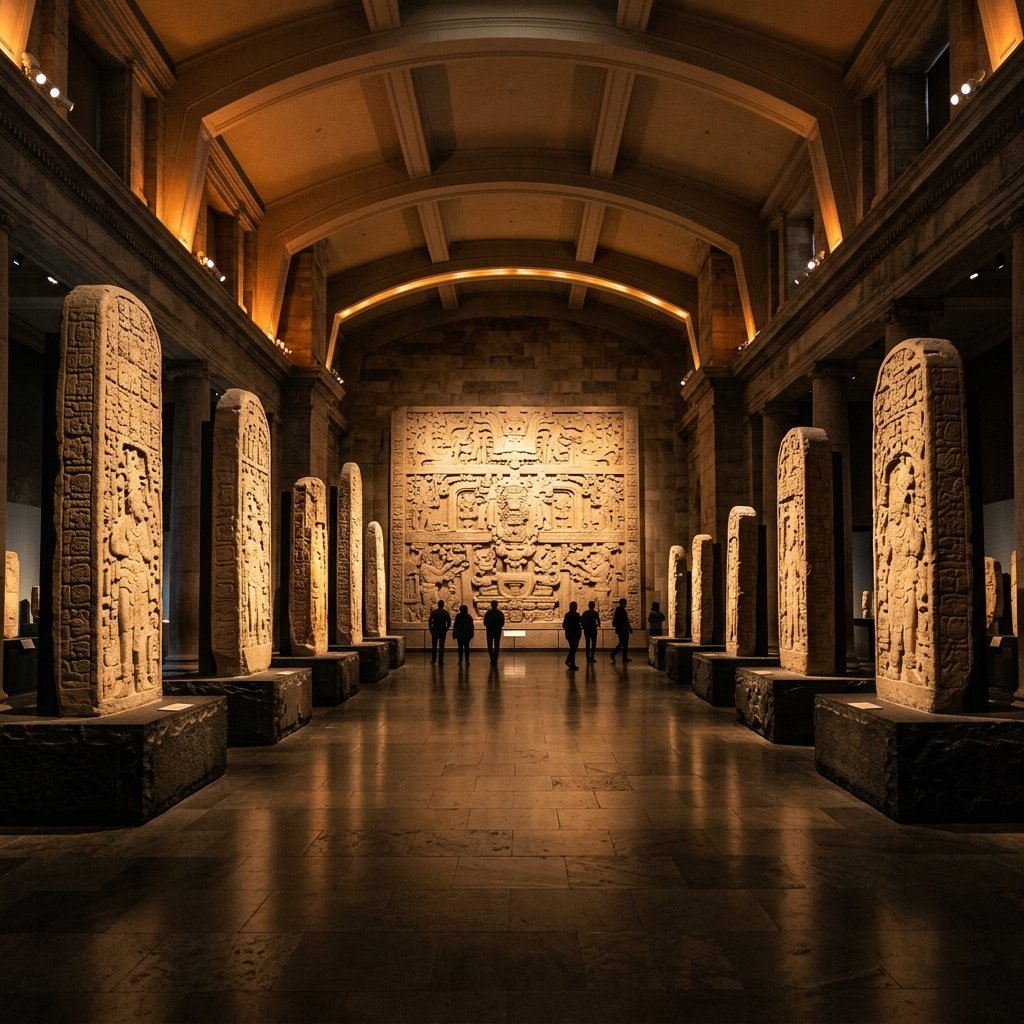
European museums hold Maya artifacts of extraordinary scholarly importance — objects that have shaped the entire field of Maya studies. Ernst Förstemann decoded the Maya calendar using the Dresden Codex in a German library. The Leiden Plaque (Netherlands) provided the first correlatable Long Count date. The Madrid Codex (Spain) is one of only four surviving Maya bark-paper books. Alfred Maudslay's work from the British Museum launched modern Maya archaeology. These collections exist because of colonialism, but they have also made possible the scholarship that allows us to understand Maya civilization today.
Major Collections

Sächsische Landesbibliothek (SLUB) — Dresden, Germany
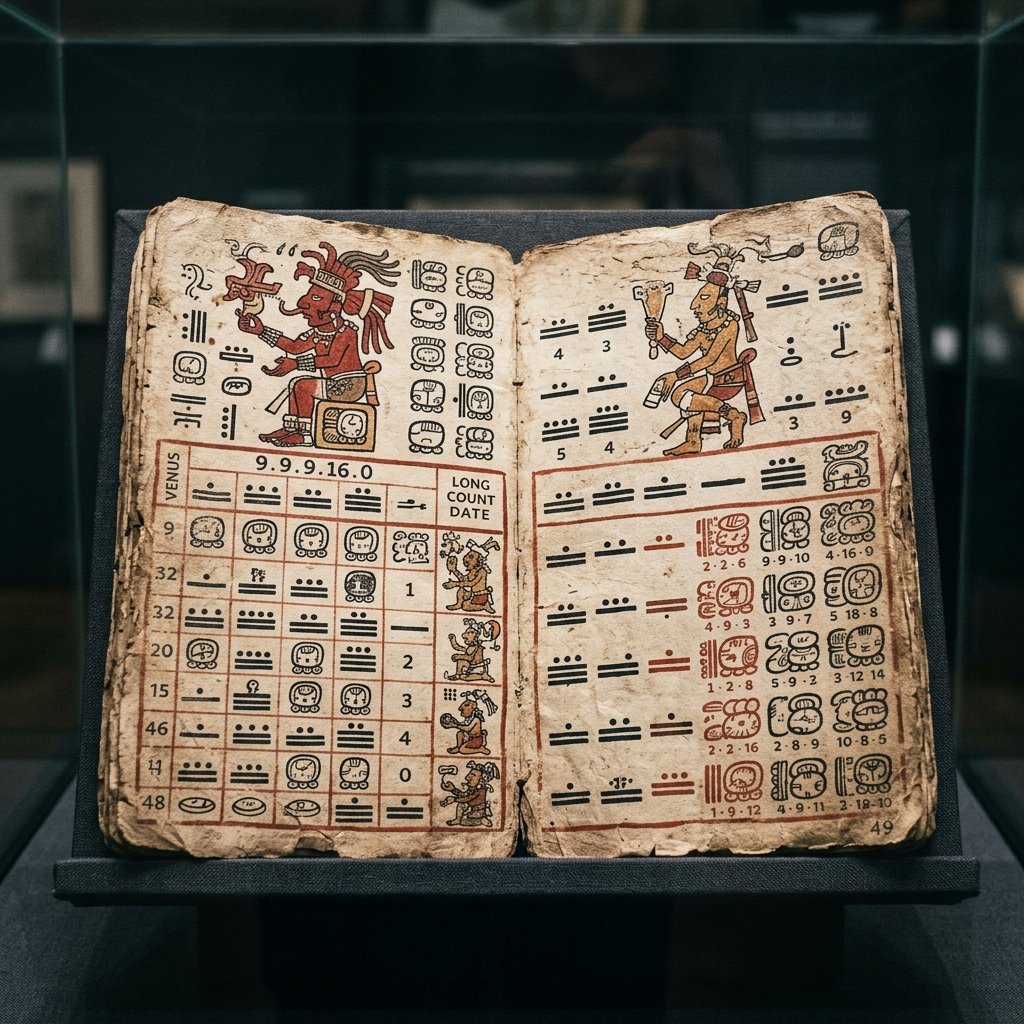
The Dresden Codex — the most important Maya manuscript in existence — is housed here. This bark-paper book, 78 pages long and folded accordion-style, contains astronomical tables, calendrical calculations, and deity rituals painted in fine line by Maya scribes (~13th–14th century AD). Ernst Förstemann, librarian 1880–1904, used it to decode the Maya calendar — arguably the foundation of all Maya scholarship. The codex survived the Allied firebombing of Dresden in 1945.
- 📍 Zellescher Weg 18, 01069 Dresden, Germany
- 🌐 slub-dresden.de
- 📌 Key object: Dresden Codex (one of 4 surviving Maya manuscripts)
Museo de América — Madrid, Spain
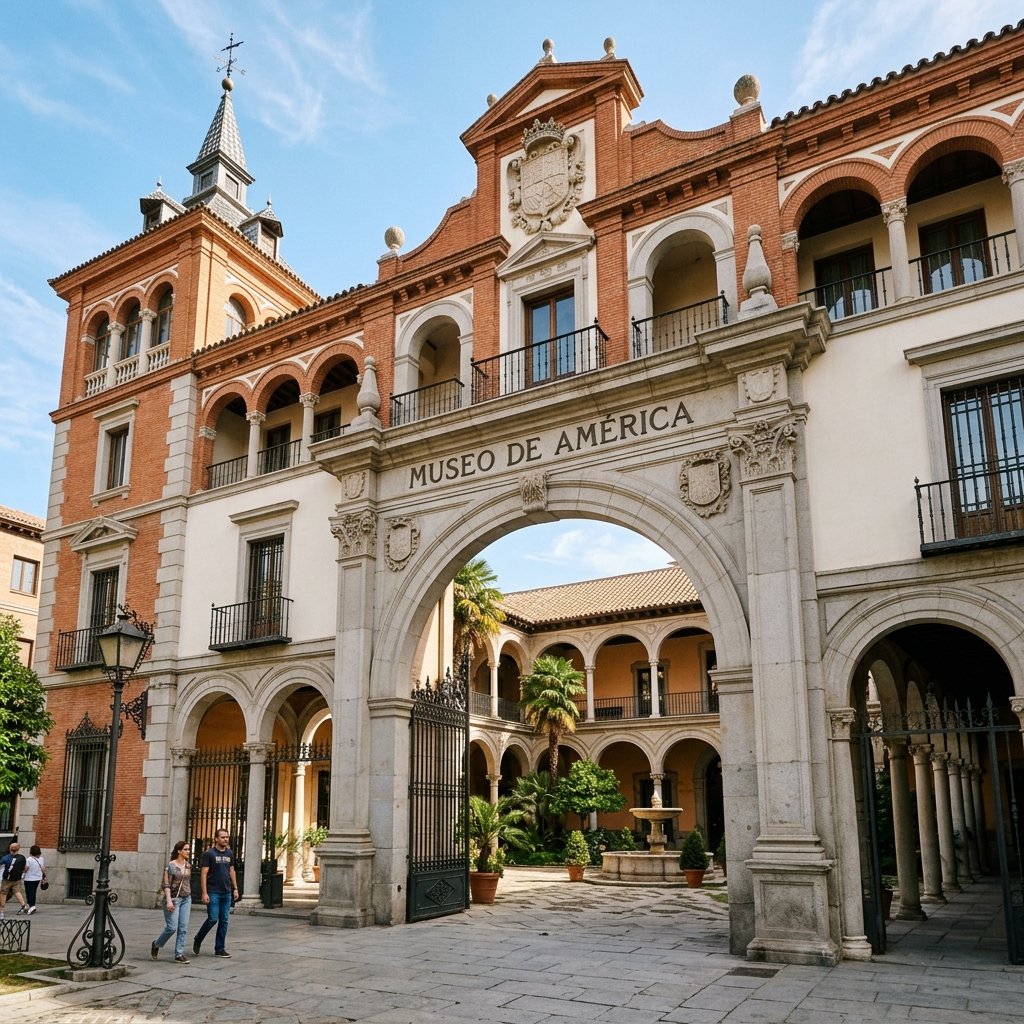
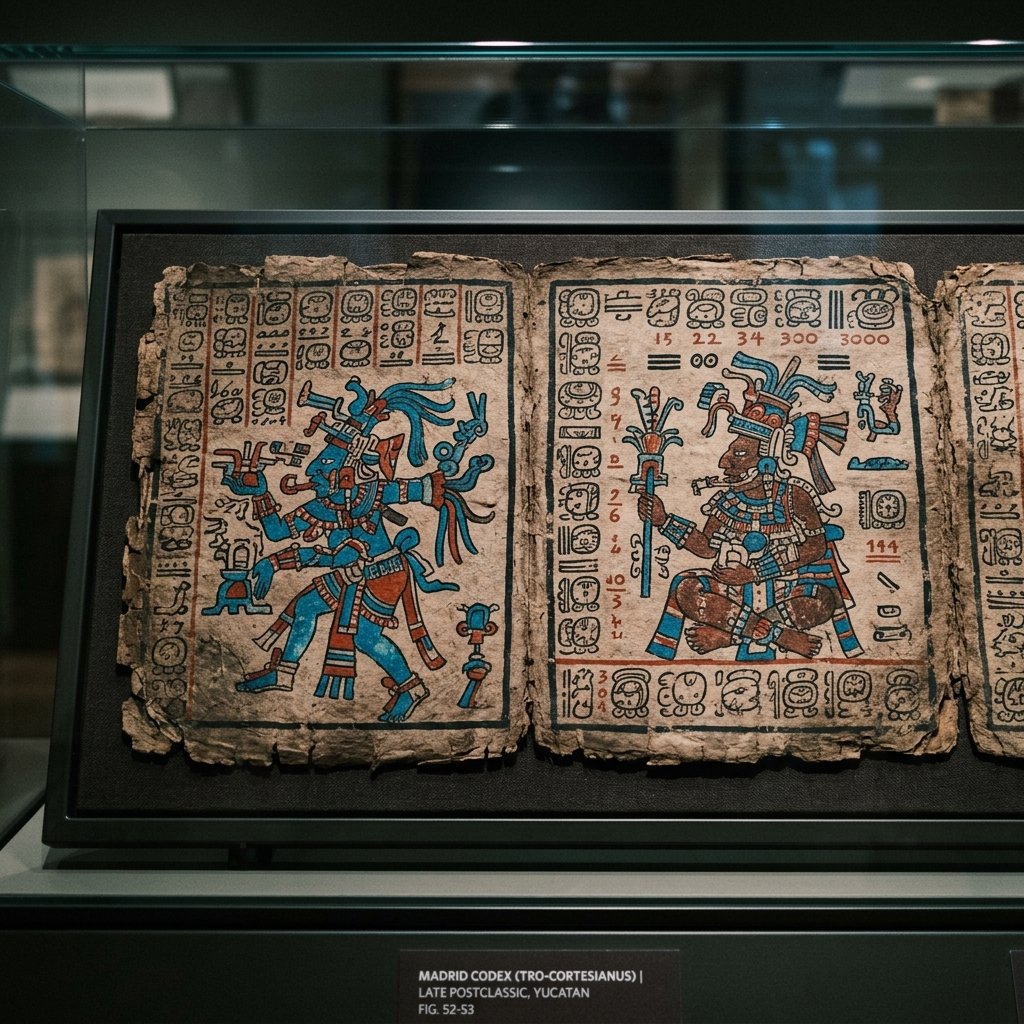
Holds the Madrid Codex (Tro-Cortesianus), at 112 pages the longest surviving Maya book. Contains almanacs for agriculture, hunting, beekeeping, and rain ceremonies. The museum also holds Maya ceramics, figurines, and stone objects from Spain's colonial holdings.
- 📍 Avenida de los Reyes Católicos 6, 28040 Madrid, Spain
- 🌐 museodeamerica.gob.es
- 📌 Key object: Madrid Codex (longest surviving Maya book)
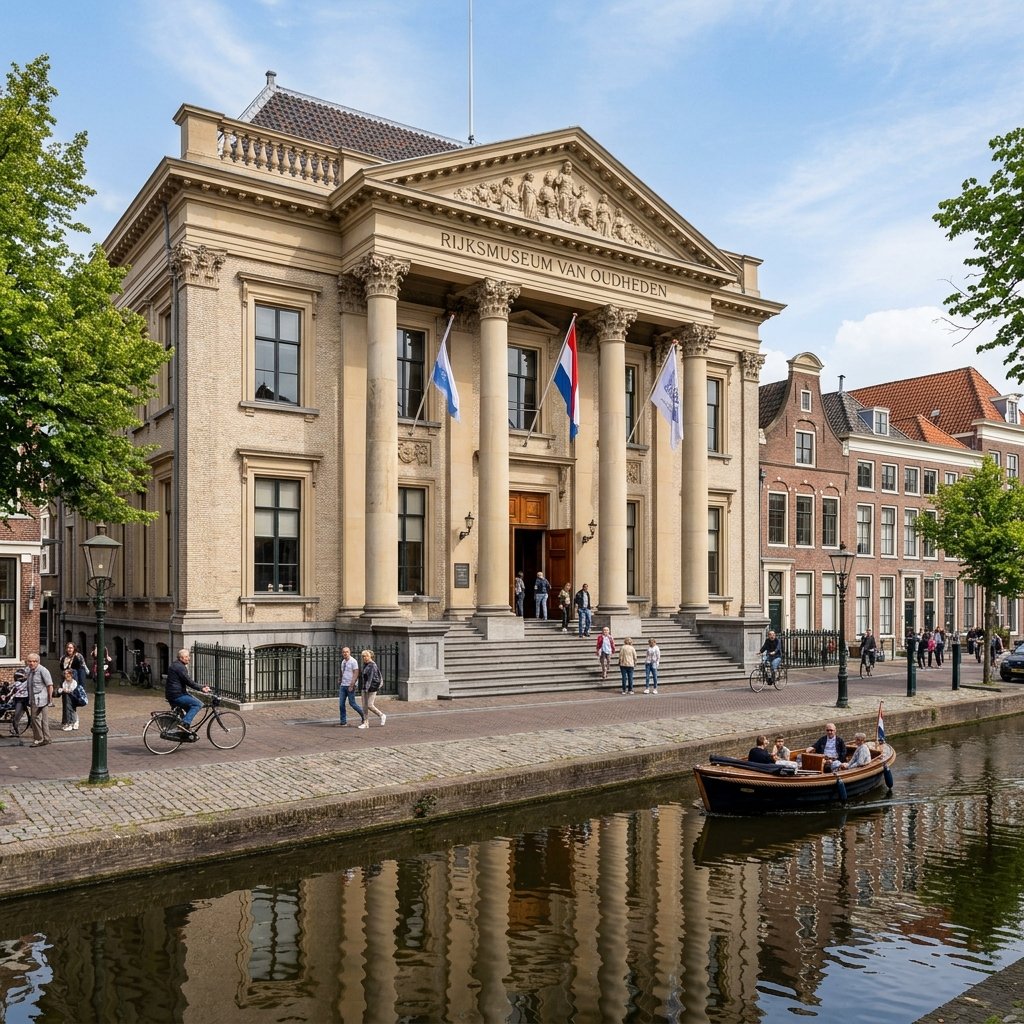
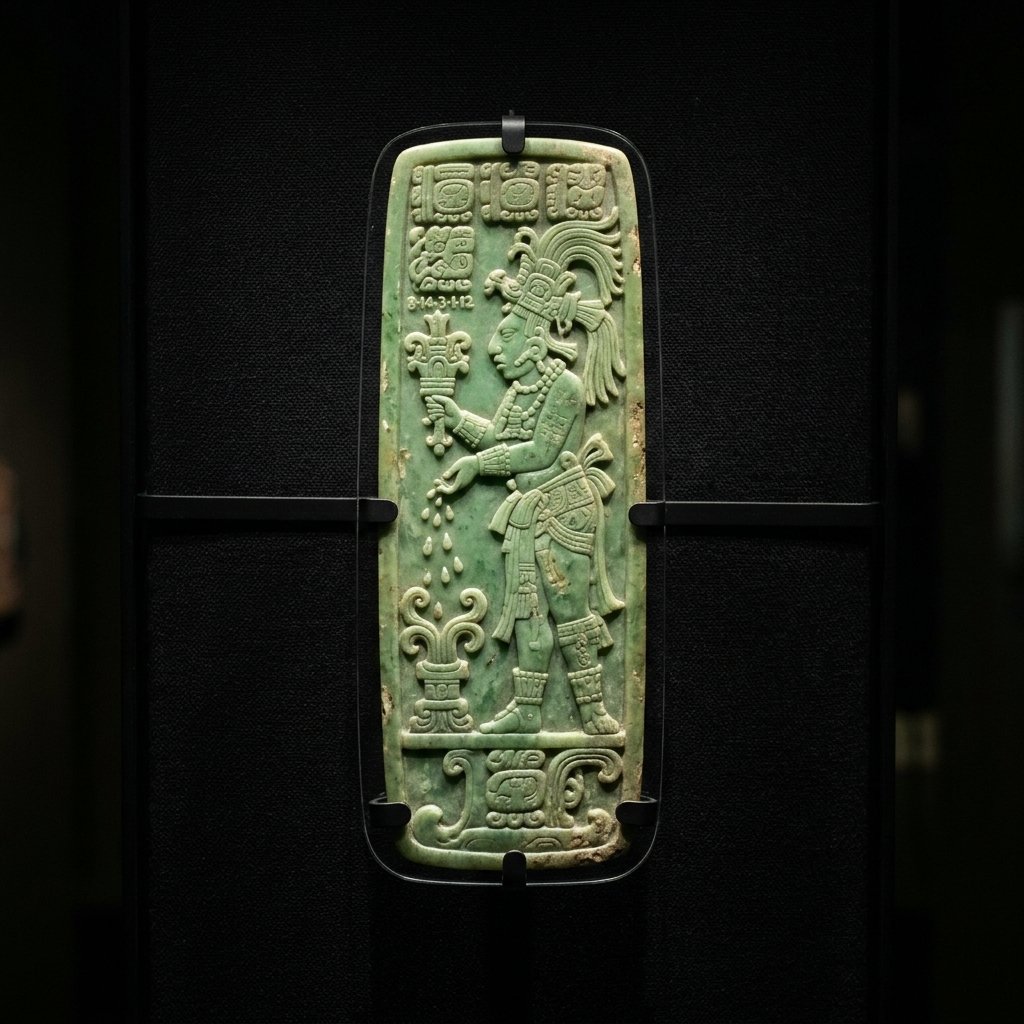
Rijksmuseum van Oudheden — Leiden, Netherlands
Holds the Leiden Plaque — a small jade pendant (21.6 × 8.6 cm) recording the Long Count date 8.14.3.1.12 — September 17, AD 320. One of the earliest securely dated Maya objects and critical for calendar correlation.
- 📍 Rapenburg 28, 2311 EW Leiden, Netherlands
- 🌐 rmo.nl
- 📌 Key object: Leiden Plaque (AD 320)
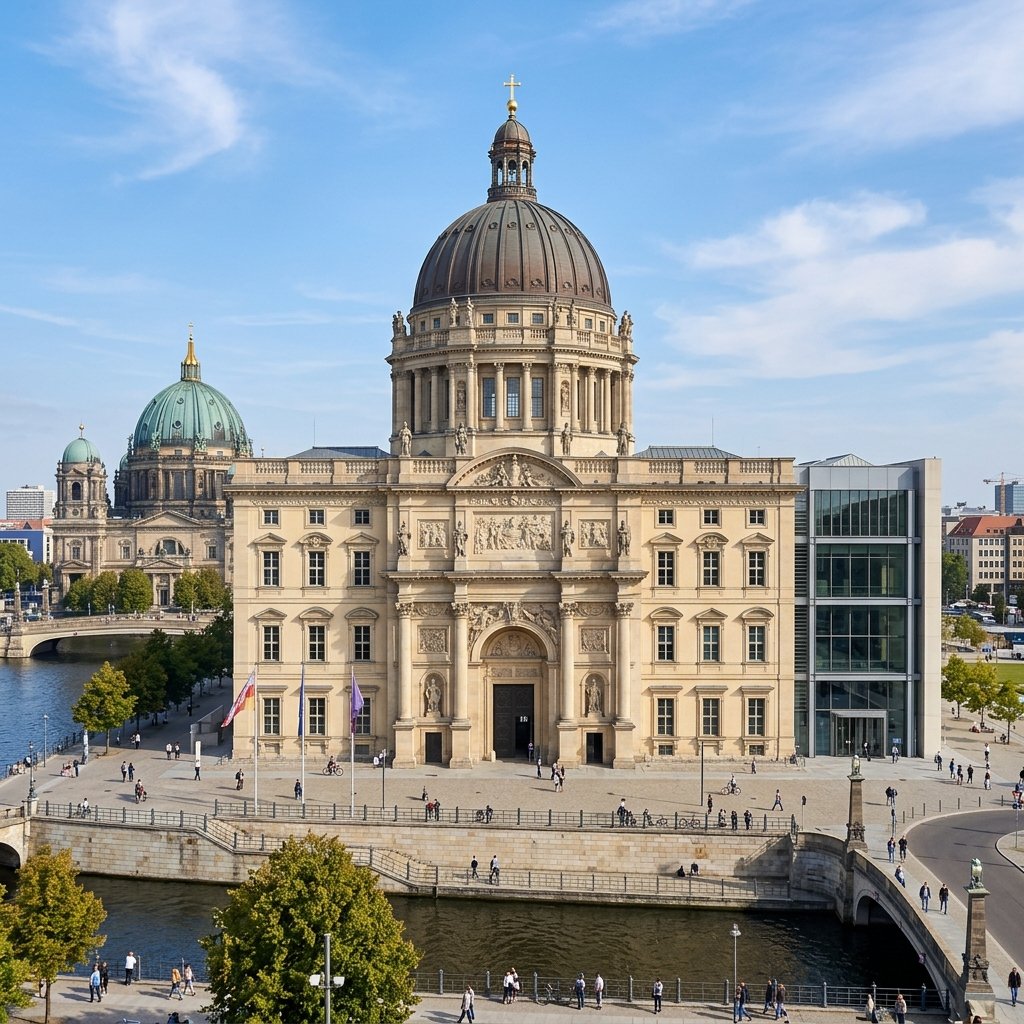
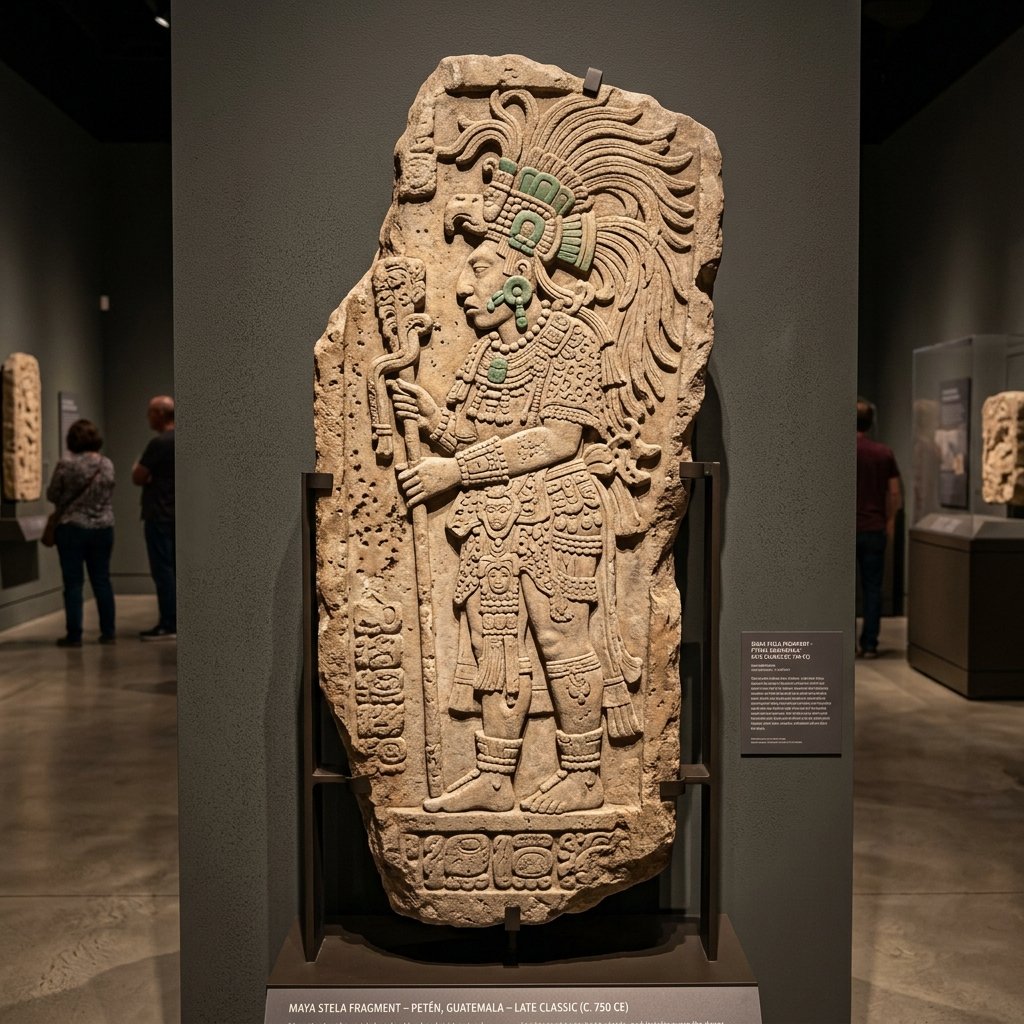
Humboldt Forum — Berlin, Germany
The Ethnologisches Museum (opened 2021 at the Humboldt Forum) holds a significant Maya collection from 19th-century German expeditions. Teobert Maler's photographic archive and Petén artifacts are key holdings.
- 📍 Schloßplatz, 10178 Berlin, Germany
- 🌐 humboldtforum.org
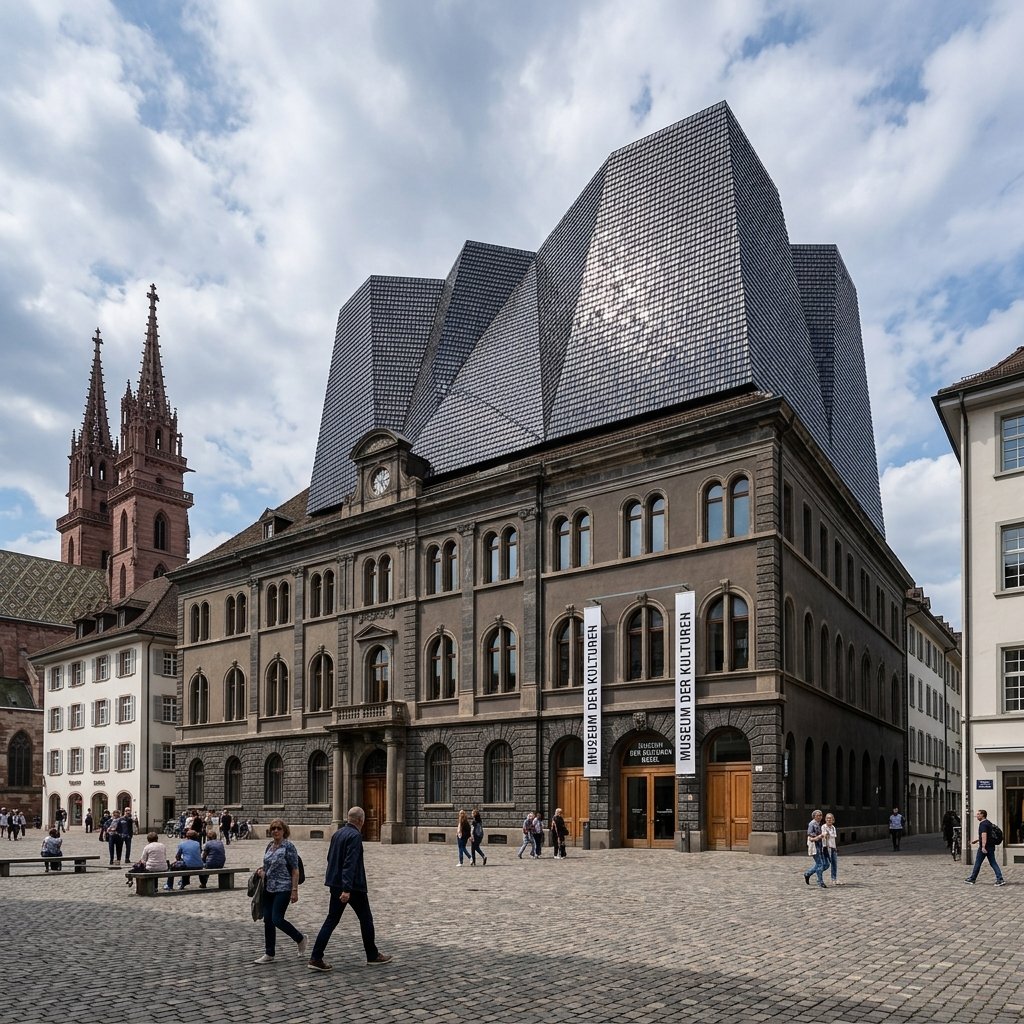
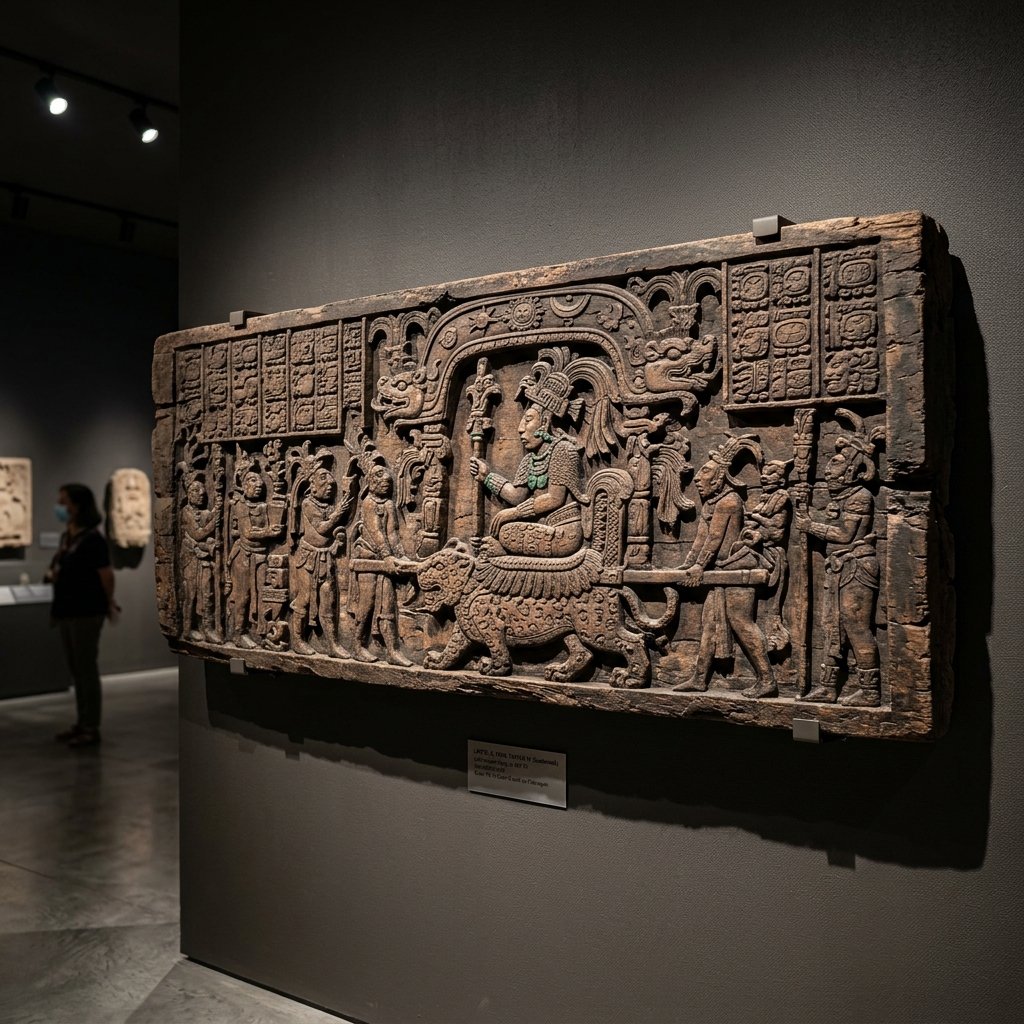
Museum der Kulturen — Basel, Switzerland
Holds a Tikal Temple IV wooden lintel — a carved sapodilla-wood beam removed by Gustav Bernoulli in 1877. One of the rarest Maya artifacts (the companion is in MUNAE).
- 📍 Münsterplatz 20, 4051 Basel, Switzerland
- 🌐 mkb.ch
Additional European Museums with Maya Objects
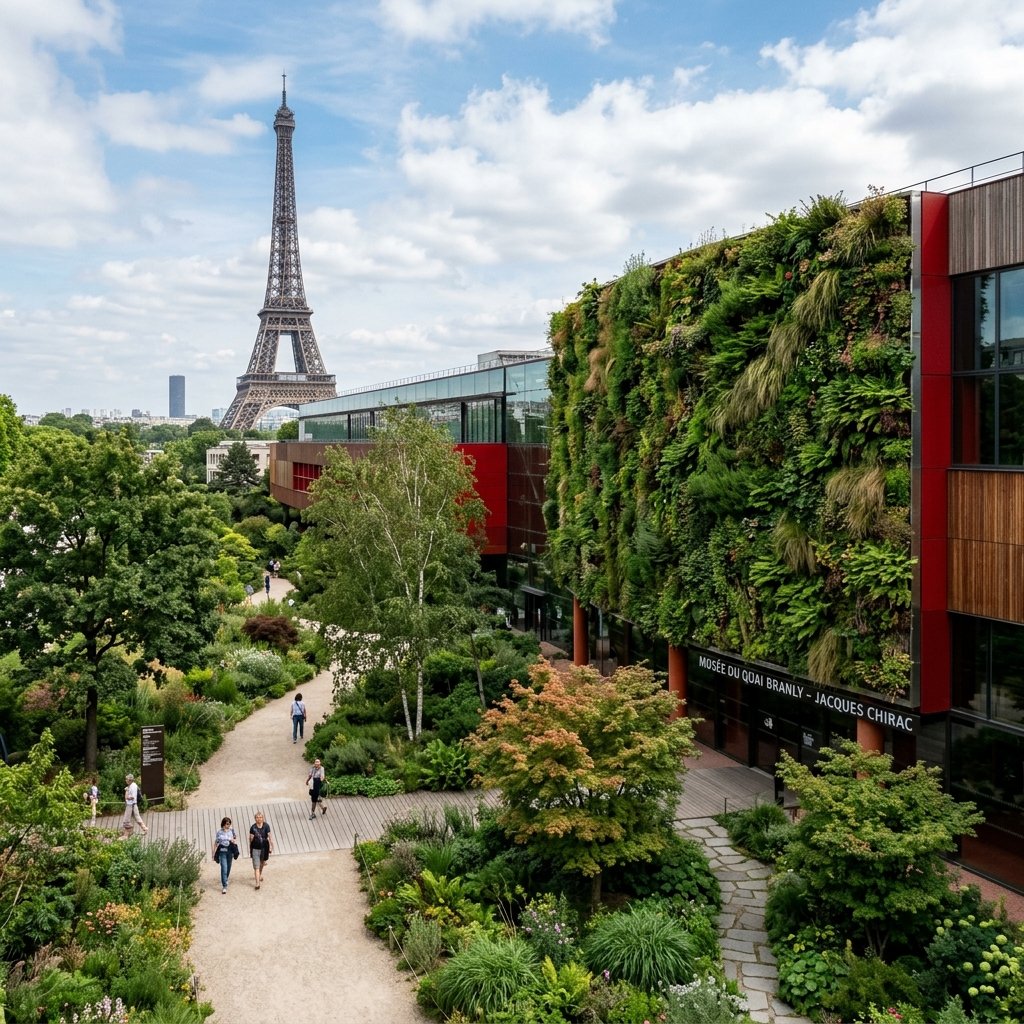
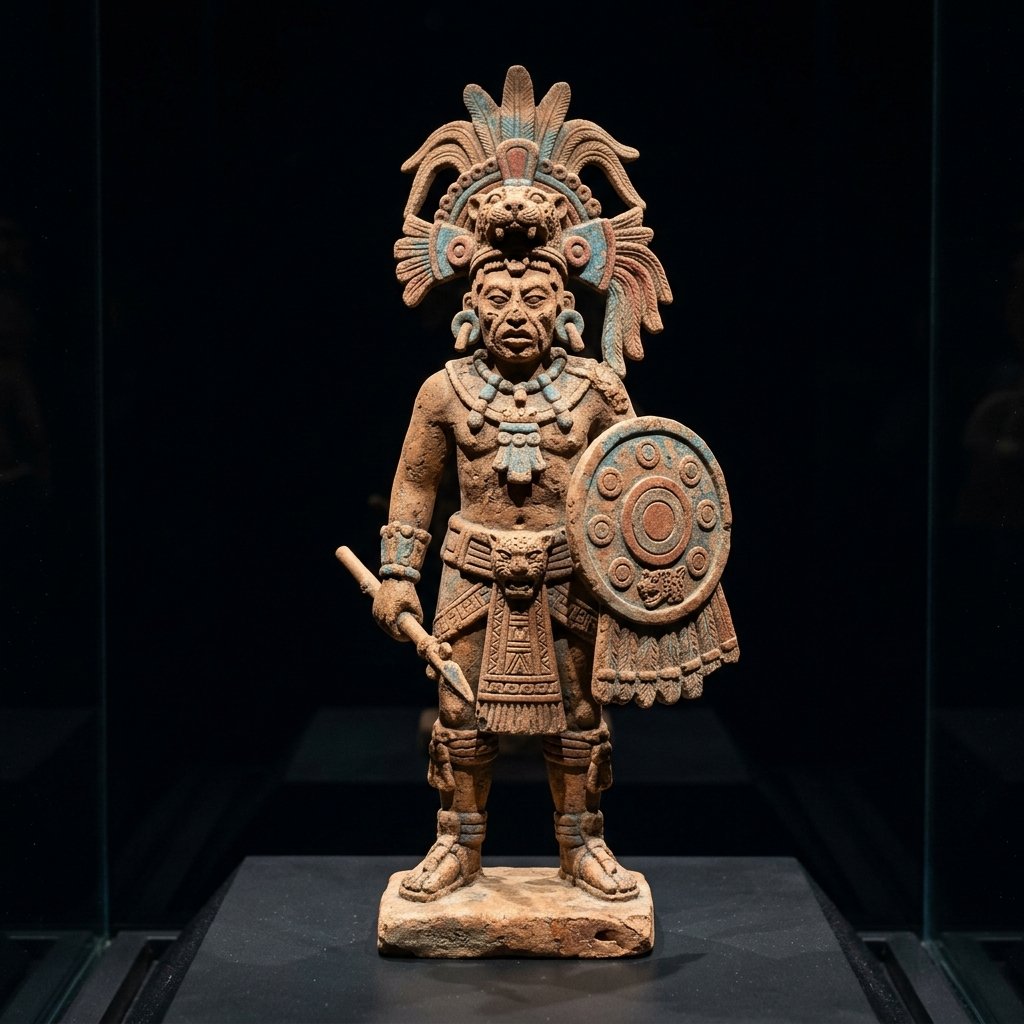
Musée du quai Branly — Paris
Maya figurines, ceramics, and jade from French colonial-era expeditions. Designed by Jean Nouvel.
📍 37 quai Branly, 75007 Paris

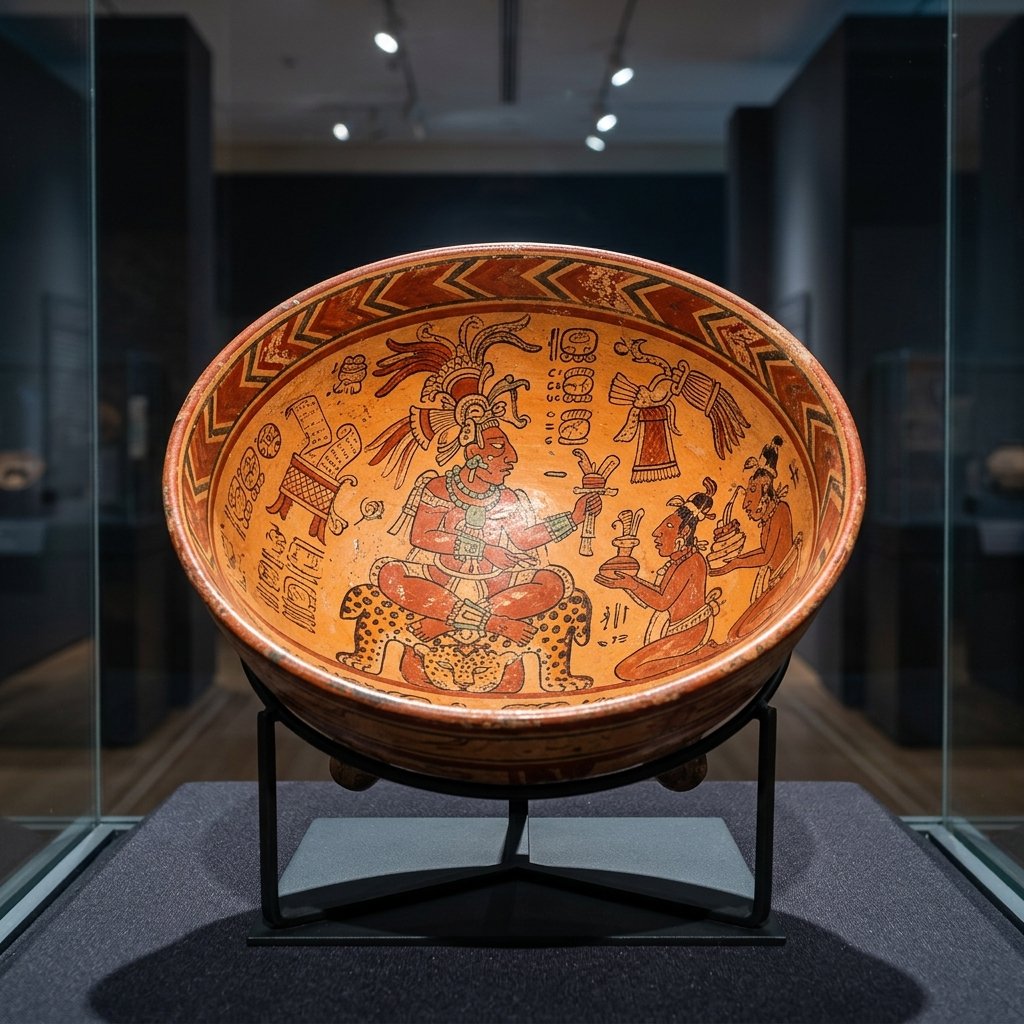
Weltmuseum Wien — Vienna
Maya ceramics via Habsburg colonial connections and 19th-century collectors.
📍 Heldenplatz, 1010 Vienna
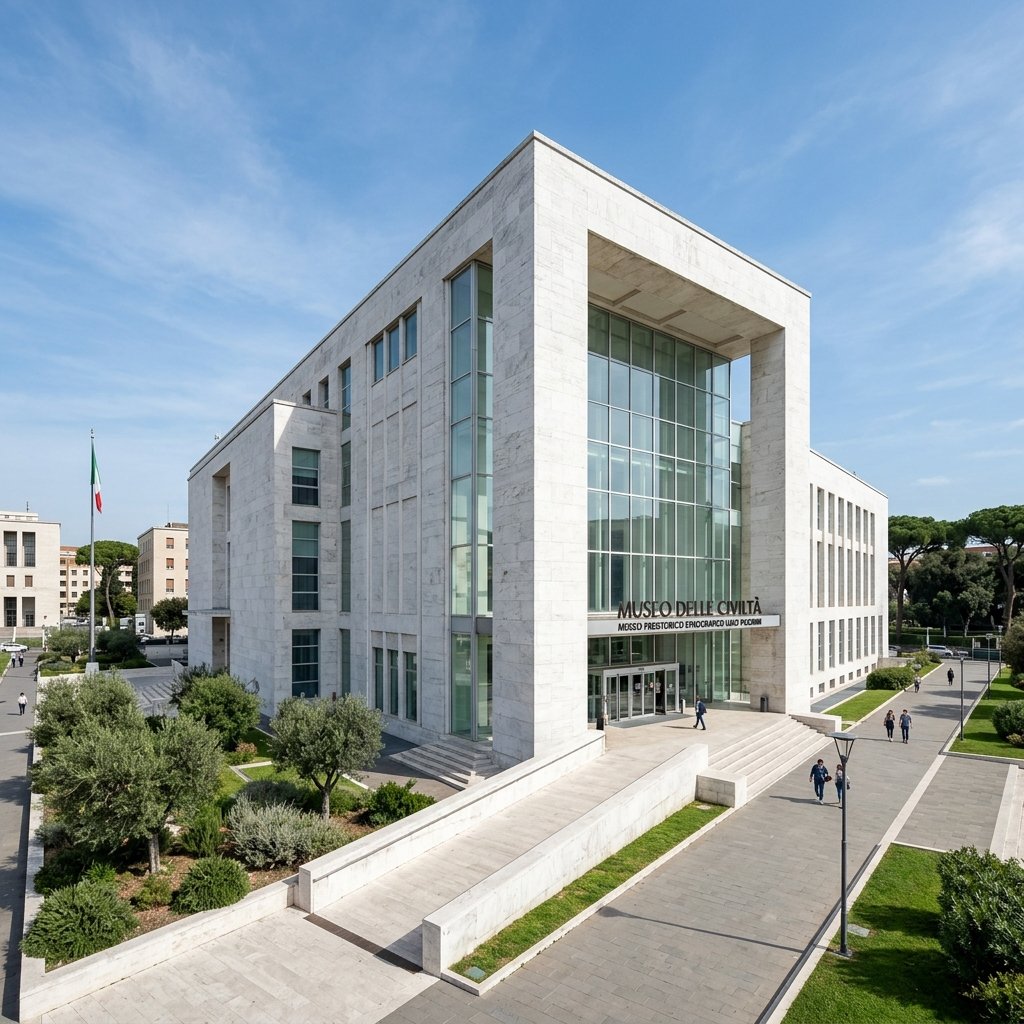
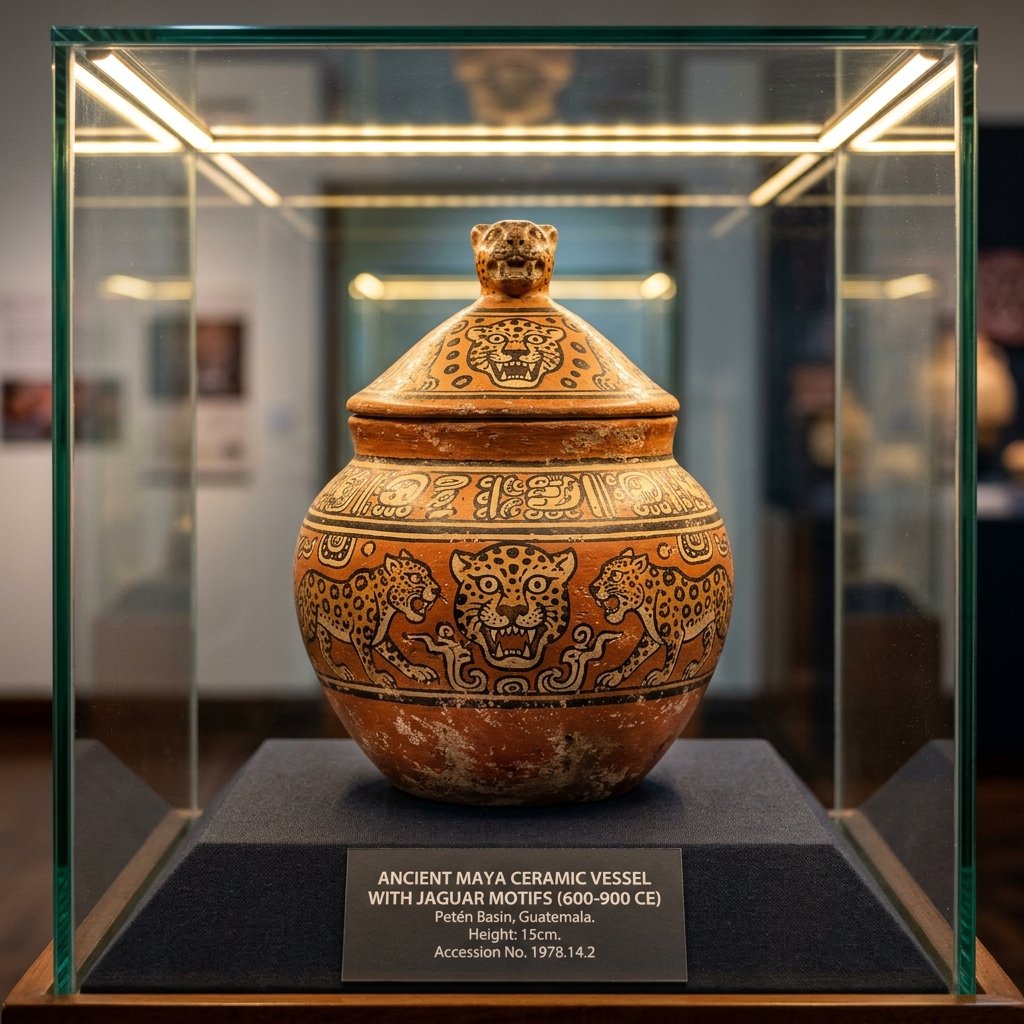
Museo Pigorini — Rome
Maya ceramics and stone objects from early 20th-century antiquities purchases.
📍 Piazza Guglielmo Marconi 14, 00144 Rome
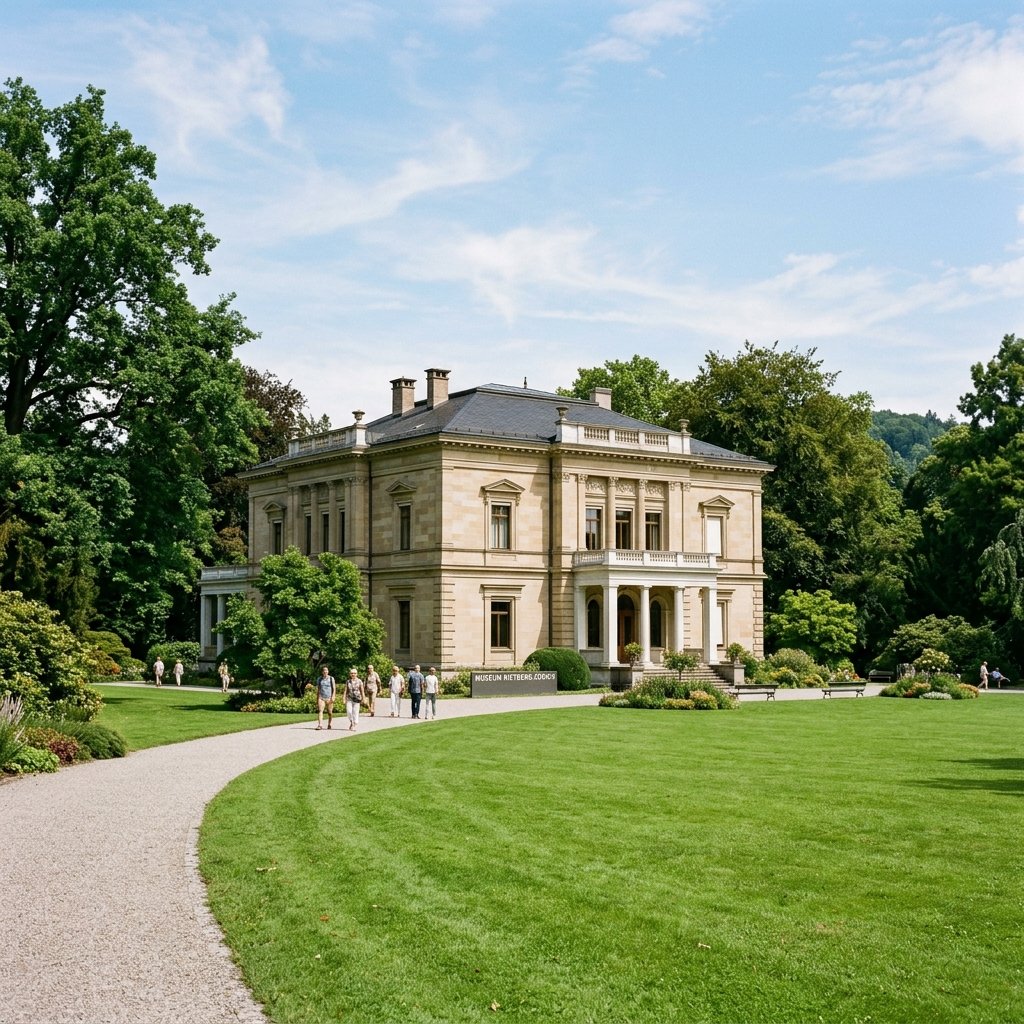
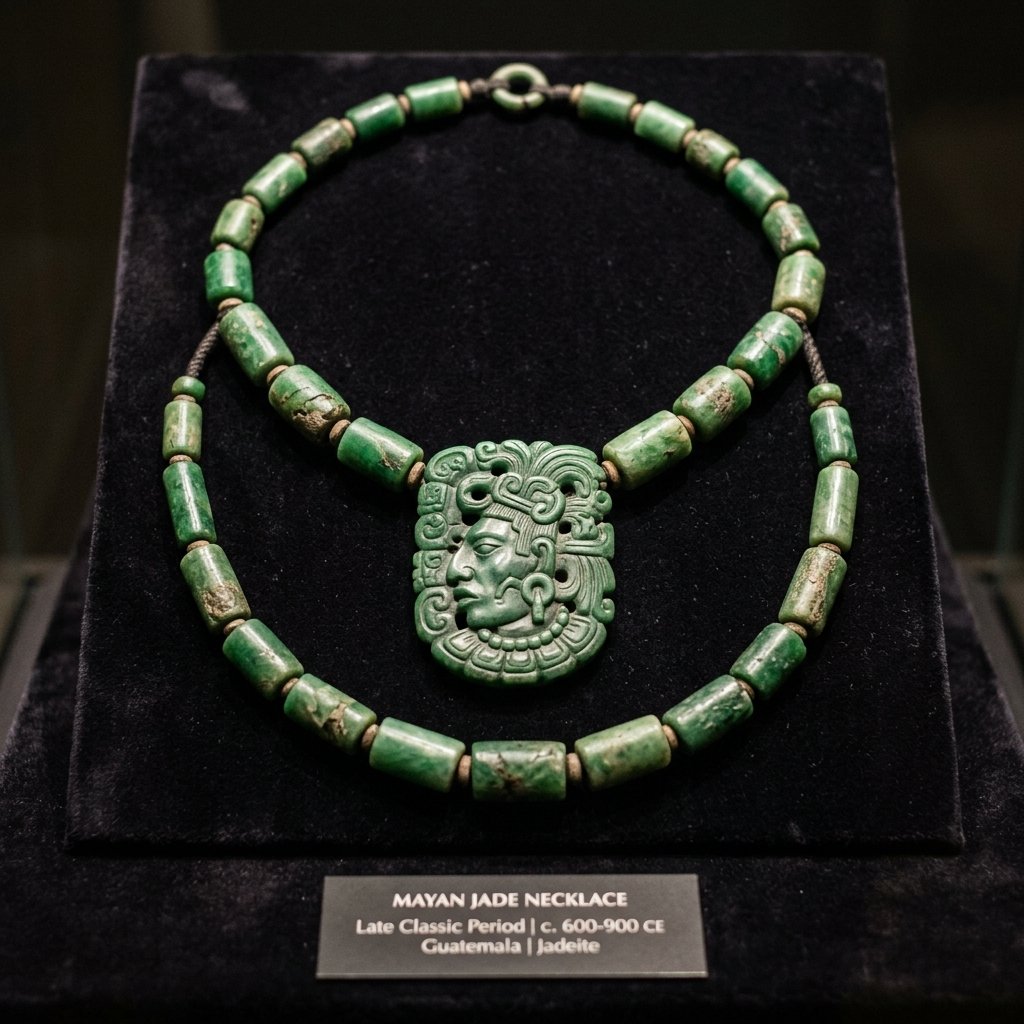
Museum Rietberg — Zurich
Maya ceramics and jade objects. Intimate display spaces and high-quality exhibitions.
📍 Gablerstrasse 15, 8002 Zurich
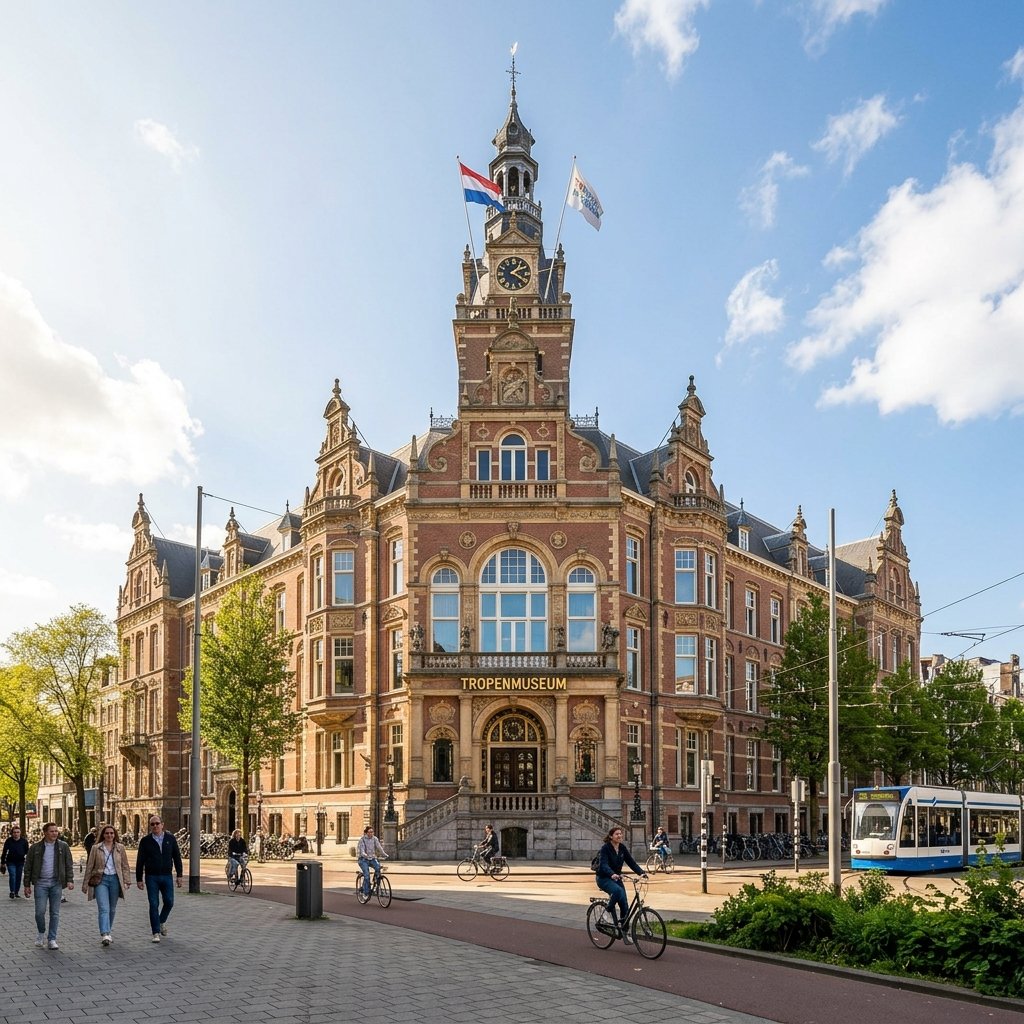
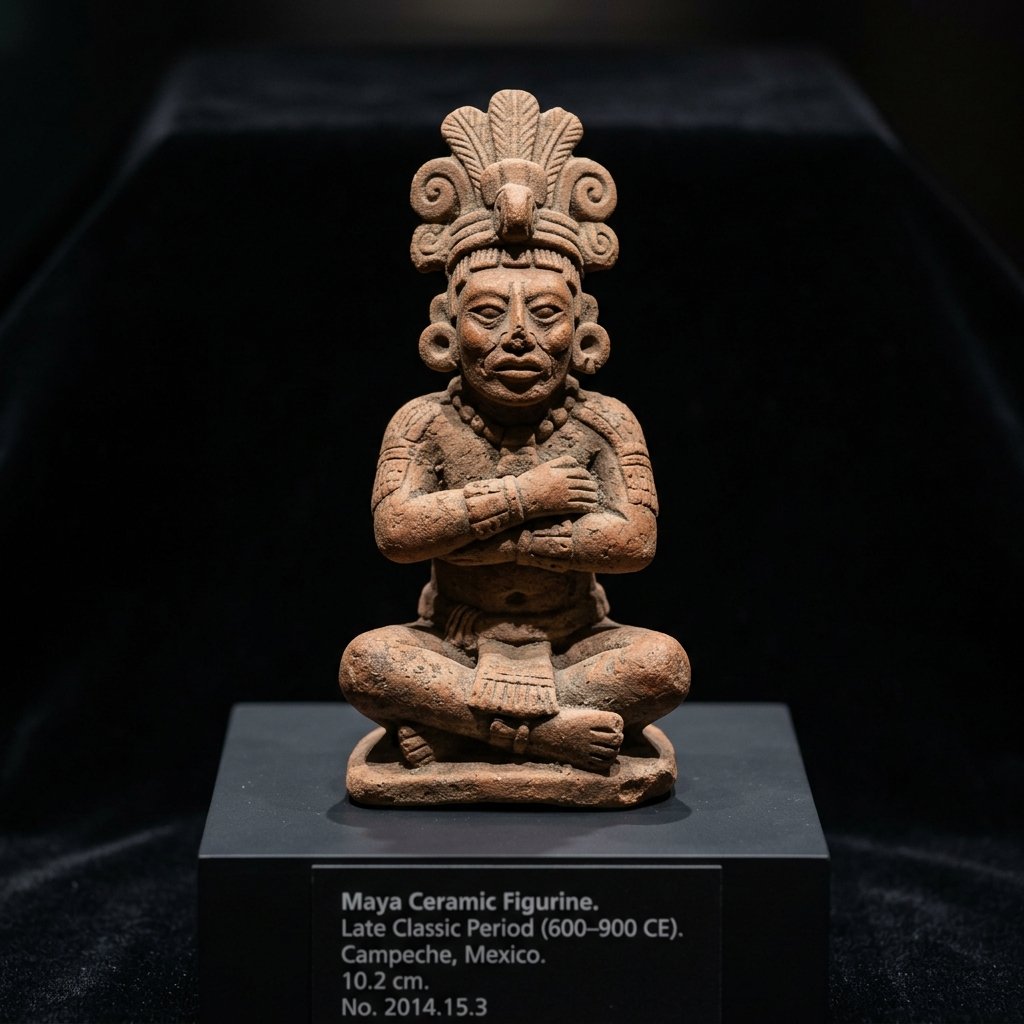
Tropenmuseum — Amsterdam
Small Maya collection, primarily ceramics and figurines from Dutch colonial networks.
📍 Linnaeusstraat 2, 1092 CK Amsterdam
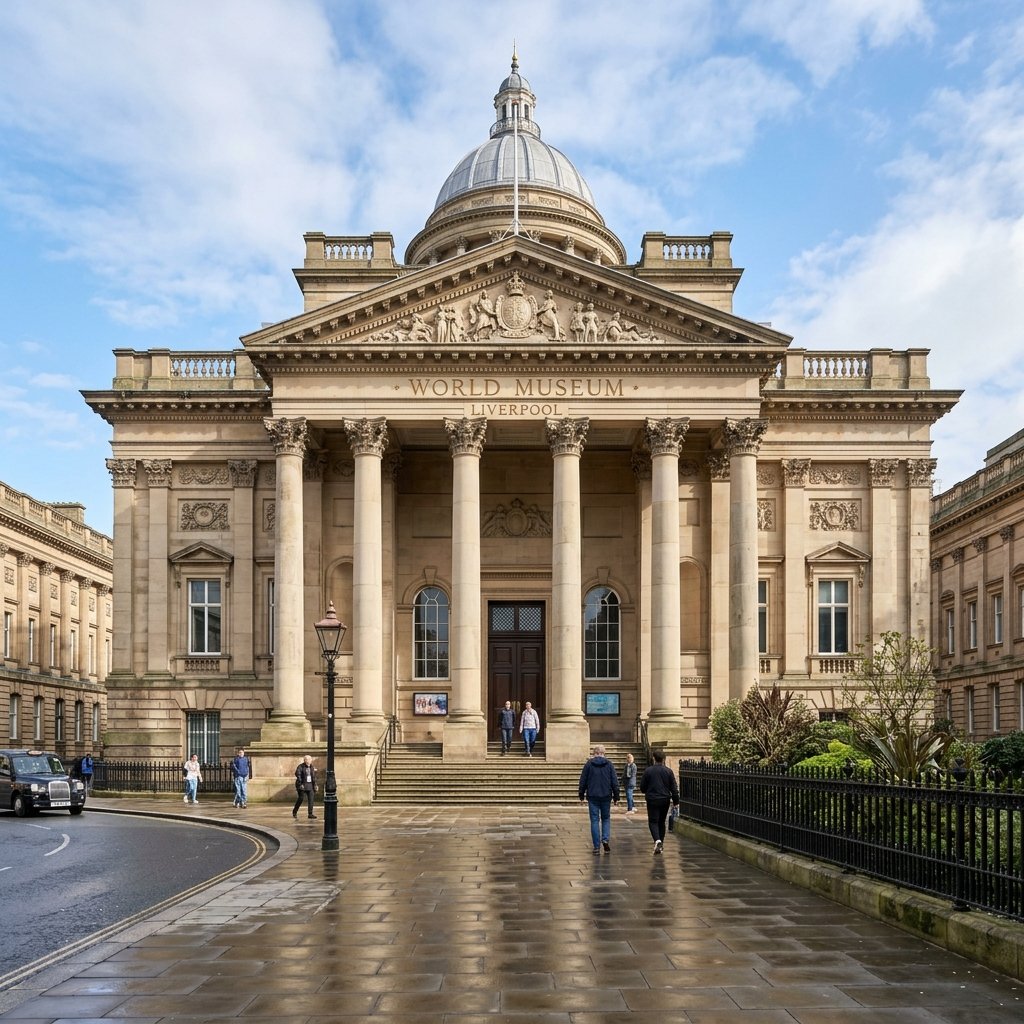
World Museum — Liverpool, UK
Maya ceramics alongside Mesoamerican and Egyptian collections. Free admission.
📍 William Brown St, Liverpool L3 8EN
Scholarly References
- Förstemann, E. W. (1906). Commentary on the Maya Manuscript in the Royal Public Library of Dresden. Peabody Museum Papers.
- Thompson, J. E. S. (1972). A Commentary on the Dresden Codex. American Philosophical Society.
- Vail, G. & Aveni, A. (2004). The Madrid Codex: New Approaches to Understanding an Ancient Maya Manuscript. University Press of Colorado.
- Grube, N. (2012). Maya: Divine Kings of the Rainforest. Ullmann.
- Stuart, D. (2006). "The Leiden Plaque and Early Lowland Maya Epigraphy." In Maya: Divine Kings, ed. N. Grube.
Frequently Asked Questions
Can I see the Dresden Codex?
The original is occasionally displayed at the SLUB in Dresden but not always on view due to conservation concerns. High-quality digital scans are freely available online. Check with the SLUB before visiting.
Why do European museums have Maya artifacts?
Most European Maya collections were formed through 19th- and early 20th-century expeditions — by Maudslay (Britain), Maler (Germany/Austria), and Charnay (France). The codices arrived during the colonial period. Repatriation discussions are ongoing.